Have you ever wondered what makes emergency vehicles so special? When seconds count, these vehicles rush to the rescue, saving lives and protecting your community.
But did you know there are many different types, each designed for a unique purpose? Understanding these vehicles can help you stay safe and even prepare you for emergencies. Keep reading to discover the fascinating world of emergency vehicles and learn how each one plays a crucial role when it matters most.
Police Vehicles
Police vehicles play a vital role in keeping communities safe. These vehicles help officers respond quickly to emergencies and carry out their duties. Each type of police vehicle has a specific job. They are designed to meet different needs on the road and in the field.
Patrol Cars
Patrol cars are the most common police vehicles. They drive around neighborhoods to watch for crime and help people. These cars have sirens and lights to alert others during emergencies. Patrol cars are fast and easy to spot on the street.
Swat And Tactical Units
SWAT vehicles are built for tough situations. They carry special weapons and gear. These vehicles can protect officers from danger during high-risk missions. SWAT units use them to handle hostage situations or armed threats safely.
K9 Units
K9 units have specially equipped vehicles for police dogs. These cars keep dogs safe and comfortable. Police dogs help find drugs, catch criminals, and search for missing people. K9 vehicles allow officers to bring their dogs to work easily.
Credit: www.penncare.net
Firefighting Vehicles
Firefighting vehicles play a vital role in saving lives and protecting property. These vehicles carry tools and water to fight fires quickly. They also help rescue people trapped in dangerous situations. Each type has a special job during emergencies.
Understanding these vehicles helps us appreciate the work firefighters do every day. Let’s explore the main types of firefighting vehicles and their uses.
Fire Engines
Fire engines are the most common firefighting vehicles. They carry water, hoses, and pumps to fight fires. Firefighters use these trucks to reach fire scenes fast. They also transport firefighters and their gear. Fire engines can connect to fire hydrants for a steady water supply.
Ladder Trucks
Ladder trucks have long, extendable ladders. These ladders help firefighters reach high places. They rescue people from tall buildings. Ladder trucks also spray water from above to control fires. Their height and reach make them essential for urban fires.
Rescue Units
Rescue units carry special tools for saving trapped people. They have equipment for cutting, lifting, and breaking through obstacles. Rescue teams use these vehicles in car accidents and building collapses. These units are designed to handle many emergency situations beyond fires.
Medical Emergency Vehicles
Medical emergency vehicles play a vital role in saving lives. They transport patients quickly and provide urgent care. These vehicles come in different types, each designed for specific medical needs. Understanding their roles helps appreciate their importance.
Ambulances
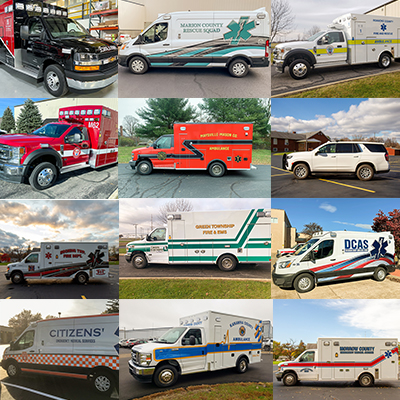
Ambulances are the most common medical emergency vehicles. They carry patients to hospitals safely and fast. Inside, basic medical equipment helps stabilize patients. Trained paramedics provide first aid during transport. Ambulances use sirens and lights to clear traffic. They are essential in emergencies like accidents or sudden illness.
Mobile Intensive Care Units
Mobile Intensive Care Units, or MICUs, offer advanced medical care on the move. They have more equipment than regular ambulances. MICUs treat critical patients needing constant monitoring. Doctors or specialized nurses often staff these units. They handle severe cases like heart attacks or major trauma. MICUs ensure patients receive expert care before hospital arrival.
Air Ambulances
Air ambulances use helicopters or planes to reach remote areas fast. They save precious time in life-threatening situations. Air ambulances carry medical staff and advanced tools. They transport patients from accident sites or distant hospitals. These vehicles are crucial when roads are blocked or too slow. Air ambulances increase survival chances in critical emergencies.

Credit: www.fireapparatusmagazine.com
Specialized Rescue Vehicles
Specialized rescue vehicles play a vital role in emergency response. These vehicles carry tools and equipment for specific rescue tasks. They help save lives in dangerous or complex situations. Each type serves a unique purpose and supports first responders effectively.
Hazmat Vehicles
Hazmat vehicles handle hazardous materials safely. They contain protective gear and detection tools. These vehicles respond to chemical spills and toxic leaks. Their design prevents harm to people and the environment. Hazmat teams use them to control and clean dangerous substances.
Water Rescue Rigs
Water rescue rigs assist in floods, rivers, or water accidents. They carry boats, life jackets, and diving gear. These vehicles reach victims quickly in watery emergencies. Water rescue teams rely on them for fast and safe operations. They help save people from drowning or water traps.
Urban Search And Rescue
Urban search and rescue vehicles tackle building collapses and disasters. They hold heavy tools like cutters, drills, and cameras. These vehicles help locate and free trapped people. They support rescue workers in tight or unstable spaces. Their equipment speeds up life-saving missions in cities.
Military Emergency Vehicles
Military emergency vehicles play a vital role in saving lives on the battlefield. They are designed to work in tough conditions and protect both patients and medical staff. These vehicles help carry wounded soldiers quickly and safely to medical facilities. They also offer care during transport and in the field.
Armored Ambulances
Armored ambulances are specially built for combat zones. They have strong armor to protect against bullets and explosions. Inside, they carry medical equipment and space for injured soldiers. These vehicles keep patients and medics safe while moving through dangerous areas. Their design helps medical teams reach wounded soldiers fast and provide urgent care.
Field Medical Units
Field medical units are mobile clinics on wheels. They offer emergency treatment close to the front lines. These units have equipment for surgery, first aid, and patient monitoring. Medical teams can stabilize soldiers before moving them to larger hospitals. Field units improve survival rates by delivering care quickly and efficiently.
Technology In Emergency Vehicles
Emergency vehicles use advanced technology to improve response times and safety. These tools help drivers and responders work faster and smarter. Technology in these vehicles is vital for saving lives and managing crises effectively.
Communication Systems
Communication systems keep emergency teams connected. Radios and digital networks allow instant contact with dispatch centers. Clear communication helps share important information quickly. These systems also support coordination among different emergency units.
Navigation And Gps
Navigation systems guide drivers through traffic and roadblocks. GPS technology provides real-time routes to the incident site. This reduces delays and helps reach victims faster. Accurate maps and traffic data improve route planning and safety.
Safety Features
Emergency vehicles include special safety features to protect crews and the public. Sirens and flashing lights alert other drivers on the road. Advanced braking and stability controls help avoid accidents. Some vehicles also have cameras to monitor surroundings and reduce blind spots.
Emergency Vehicle Markings And Lights
Emergency vehicles use special markings and lights to stand out. These features alert drivers and pedestrians. They show urgency and help clear the way fast. Clear markings and bright lights improve safety. They help emergency teams reach scenes without delay.
Color Codes
Colors on emergency vehicles carry clear meanings. Red often signals fire trucks and ambulances. Blue is common for police cars. Yellow or green can mark rescue vehicles. These colors help people identify the type of help coming. Color codes vary by country but serve the same purpose: fast recognition.
Light Bars And Sirens
Light bars sit on top of emergency vehicles. They flash bright red, blue, or white lights. Flashing lights grab attention from all directions. Sirens add loud, wailing sounds. These sounds warn drivers to move aside. Combined, lights and sirens create urgency on the road.
Reflective Decals
Reflective decals shine brightly in headlights. They cover the sides and back of vehicles. This makes emergency vehicles visible at night or in bad weather. Decals often show the agency’s name or logo. These markings boost safety and help people spot help quickly.
Future Trends In Emergency Vehicles
The future of emergency vehicles is changing fast. New technology is making these vehicles safer, faster, and smarter. These trends will improve how emergency teams help people in need. Expect cleaner engines, smarter driving, and better medical care on the move.
Electric And Hybrid Models
Electric and hybrid emergency vehicles reduce pollution. They use less fuel and create less noise. These vehicles can work quietly in busy cities. Charging stations are becoming more common. This helps emergency teams stay ready longer. Electric power also means fewer engine problems. These models will be common in the near future.
Autonomous Emergency Vehicles
Self-driving technology is growing quickly. Autonomous emergency vehicles can drive themselves safely. They may use cameras and sensors to avoid accidents. This helps in heavy traffic or bad weather. Teams can focus more on patient care. These vehicles can also find the fastest route. Autonomous tech will help save more lives soon.
Advanced Medical Equipment
Emergency vehicles now carry better medical tools. Portable devices can monitor heart rate and oxygen fast. Some vehicles have mini labs for quick tests. This helps paramedics treat patients before hospital arrival. Advanced equipment improves survival chances. Future vehicles will have even smarter health tools inside.

Credit: www.youtube.com
Conclusion
Emergency vehicles play a vital role in saving lives and protecting people. Each type has a special job and equipment. Knowing their functions helps us respect their work and stay safe. These vehicles respond quickly to different emergencies. They carry trained professionals ready to help.
Always give way when you see flashing lights and hear sirens. Understanding emergency vehicles helps communities stay prepared and secure. Safety and quick response go hand in hand. Stay aware and support those who serve us every day.