
When you hit the highway, the way you drive can change a lot depending on the type of road and traffic around you. Understanding the different types of highway driving can make your trips safer and more comfortable.
Whether you’re cruising on an open stretch or navigating busy lanes, knowing what to expect helps you stay in control. Ready to learn how to handle every highway situation like a pro? Keep reading to discover the key types of highway driving and how they affect your time behind the wheel.
Credit: driving-tests.org
City Highway Driving
City highway driving differs from rural or long-distance highway travel. It involves more stops, turns, and interactions with other road users. Drivers face unique challenges like heavy traffic and many exits. Understanding these aspects helps improve safety and comfort on city highways.
Navigating Heavy Traffic
Traffic is often dense on city highways. Vehicles move slower and stop frequently. Drivers must stay alert and keep a safe distance. Patience is key to avoid sudden braking or accidents. Using mirrors often helps track nearby cars. Smooth and steady driving reduces stress and risk.
Managing Frequent Exits And Entries
City highways have many entry and exit points. Drivers must plan lane changes early. Watch for signs indicating exits well in advance. Merging smoothly with highway traffic is important. Use turn signals to communicate with other drivers. Quick decisions can be dangerous; stay calm and focused.
Dealing With Pedestrians And Cyclists
Pedestrians and cyclists often cross or share space near city highways. Stay alert near intersections and crosswalks. Slow down in areas with heavy foot traffic. Always check blind spots before turning or changing lanes. Respect their right to cross safely. Awareness prevents accidents and keeps everyone safe.
Rural Highway Driving
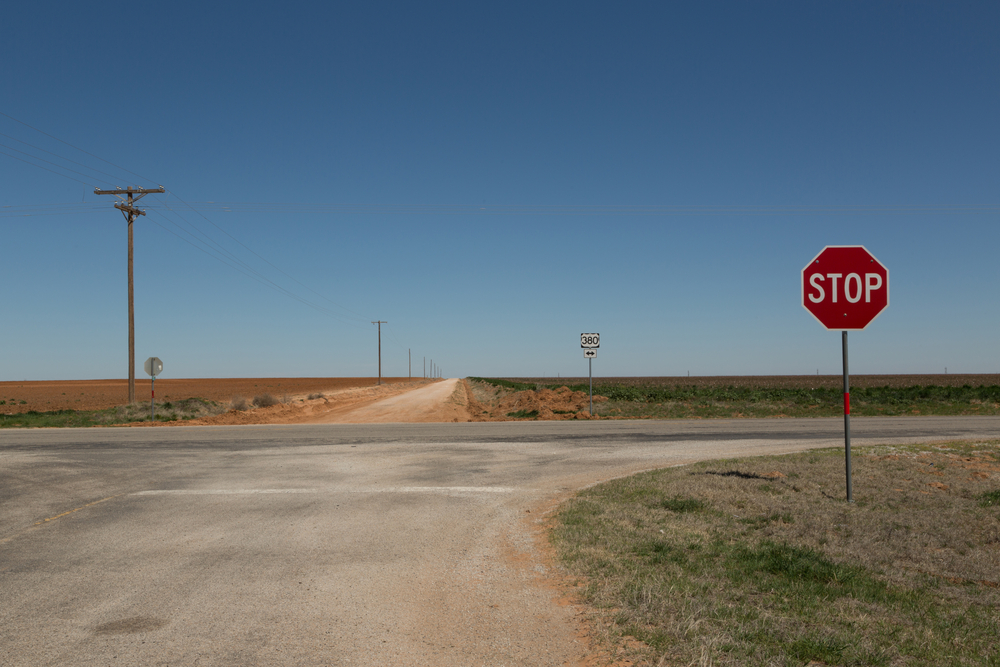
Rural highway driving is different from city or suburban driving. Roads are often long and straight. Traffic is lighter, but risks remain. Drivers need focus and caution. Conditions change quickly on rural highways. Preparing for these changes helps keep drivers safe.
Handling High Speeds Safely
Rural highways often allow higher speeds. Drivers may feel tempted to speed. Staying within speed limits is essential. Faster speeds need more reaction time. Keep a safe distance from other vehicles. Watch the road ahead for sudden changes. Use brakes gently to avoid skidding. Adjust speed during bad weather or low visibility. Safety always comes before speed.
Watching For Wildlife And Obstacles
Animals frequently cross rural roads. Deer, rabbits, and other wildlife appear suddenly. Scan both sides of the road often. Slow down near forested or open areas. Look for animal crossing signs. Obstacles like fallen branches or farm equipment may appear. Avoid sharp swerves to prevent losing control. Use horn if needed to warn animals. Stay alert, especially at dawn and dusk.
Preparing For Limited Services
Gas stations and repair shops are scarce. Plan fuel stops carefully before long trips. Carry extra fuel if possible. Keep emergency supplies in the car. Water, snacks, and a first aid kit are helpful. Mobile phone signals can be weak. Inform someone about your route and expected arrival. Check the vehicle’s condition before driving. Preparation reduces stress and helps in emergencies.
Mountain Highway Driving
Mountain highway driving requires special skills and attention. Roads twist through high elevations and steep slopes. Weather and visibility can change quickly. Drivers must stay alert and control their vehicles carefully. Safety depends on managing speed, brakes, and curves well.
Controlling Speed On Steep Slopes
Speed control is critical on mountain roads. Going too fast can cause loss of control. Use lower gears to slow the vehicle naturally. Avoid constant braking to prevent brake failure. Keep a steady pace and watch road signs for speed limits.
Using Engine Brakes Effectively
Engine brakes help control speed without overheating brakes. Shift to a lower gear to use engine resistance. This reduces pressure on the foot brake. Engine braking is especially useful on long descents. It keeps the vehicle stable and safe.
Dealing With Sharp Curves
Sharp curves require careful steering and speed adjustment. Slow down before entering the turn. Look ahead to anticipate the road path. Stay in your lane and avoid sudden moves. Proper curve handling prevents accidents and keeps you safe.

Credit: www.rvtravel.com
Nighttime Highway Driving
Driving on highways at night presents unique challenges. Darkness reduces visibility and can increase risks. Drivers must focus more and use safe habits. Nighttime highway driving calls for special care to stay safe and alert.
Improving Visibility
Keep your windshield clean inside and out. Dirt can blur lights and signs. Use your car’s defroster to stop fog. Adjust your rearview mirror to reduce glare. Watch for reflective road signs and lane markers. Slow down if visibility gets poor.
Avoiding Fatigue
Fatigue slows your reaction time and focus. Take breaks every two hours on long trips. Drink water and eat light snacks to stay alert. Avoid heavy meals before driving. If you feel sleepy, stop and rest. Never drive if very tired.
Using Headlights Correctly
Turn on headlights 30 minutes before sunset. Use low beams in traffic and fog. High beams help on empty roads but blind others. Switch to low beams when you see oncoming cars. Check headlights regularly to keep them bright.
Adverse Weather Driving
Driving on highways during bad weather is very different from clear days. Rain, fog, snow, and ice make the road slippery and reduce visibility. These conditions need careful attention to keep safe. Understanding how to drive in these conditions helps avoid accidents and stress.
Driving In Rain And Fog
Rain makes roads slick and reduces tire grip. Turn on headlights to see and be seen. Slow down to avoid hydroplaning. Use windshield wipers to keep your view clear. In fog, use low beams. High beams reflect fog and reduce visibility. Keep a steady pace and avoid sudden moves.
Handling Snow And Ice
Snow and ice make roads very slippery. Use winter tires for better traction. Drive slowly and gently press brakes. Avoid sharp turns and quick stops. Keep your distance from other cars. Watch for black ice, which is hard to see. Stay alert and ready to react calmly.
Adjusting Speed And Distance
Lower speed helps control the vehicle on slick roads. Increase the space between your car and others. This gives more time to stop safely. Avoid hard braking and sudden acceleration. Smooth, steady driving reduces the risk of skids. Stay calm and patient during bad weather driving.
Highway Driving Safety Tips
Highway driving demands focus and caution to ensure safety. The speed and volume of traffic can create challenges. Following basic safety tips helps reduce risks. These tips improve your control and awareness on the road.
Maintaining Safe Following Distance
Keep enough space between your vehicle and the car ahead. This distance gives time to react to sudden stops. A good rule is to stay at least three seconds behind. Increase this gap in bad weather or heavy traffic. Avoid tailgating to prevent collisions and stress.
Using Mirrors And Signals
Check mirrors regularly to know your surroundings. Use side and rearview mirrors to monitor traffic behind and beside you. Always signal before changing lanes or exiting the highway. Clear signals help other drivers understand your moves. This reduces the chance of accidents and confusion.
Staying Alert And Avoiding Distractions
Stay focused on the road at all times. Avoid using phones, eating, or adjusting the radio while driving. Watch for road signs, signals, and other vehicles. Take breaks if you feel tired during long drives. Alertness helps you react quickly to any danger.
Vehicle Preparation For Highway Trips
Preparing your vehicle before a highway trip is very important. It helps keep you safe and prevents problems on the road. A quick check of your car can save time and money later. This section covers simple steps to get your vehicle ready.
Checking Tire Pressure And Tread
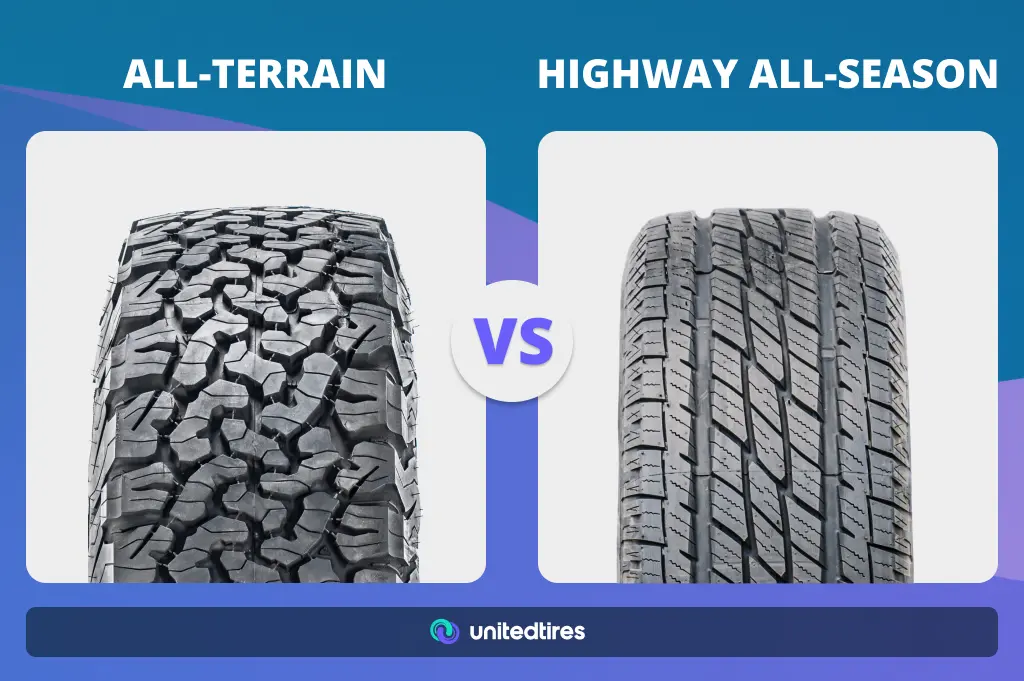
Check tire pressure using a gauge. Proper pressure improves fuel efficiency and control. Look at the tread depth. Worn tires reduce traction and increase accident risk. Replace tires if tread is too low or uneven.
Ensuring Fluid Levels Are Adequate
Check engine oil, coolant, brake fluid, and windshield washer fluid. Low fluids can cause engine damage or poor braking. Fill fluids to the recommended levels. Use the correct type for your vehicle.
Inspecting Lights And Brakes
Test headlights, brake lights, turn signals, and hazard lights. Bright lights improve visibility and communication with other drivers. Check brake pads and discs for wear. Proper brakes help stop quickly and safely.
Credit: www.utires.com
Conclusion
Highway driving includes many types, each with its own challenges. Knowing these types helps you drive safely and confidently. Pay attention to road signs and traffic rules always. Stay alert to changing conditions and other drivers. Practice makes you better at handling different highway situations.
Safe driving keeps you and others protected on the road. Keep learning and stay calm behind the wheel. Every trip becomes easier with experience and care.