
Have you ever wondered if you can actually drive without a windshield? It sounds risky, but maybe you’re curious about the laws or safety concerns before hitting the road like that.
Whether your windshield is broken, missing, or you’re just thinking about it, understanding what’s legal and what’s safe matters a lot. You’ll discover the truth about driving without a windshield—what the law says in different places, the dangers you face, and what you should do if you find yourself in this situation.
Keep reading to protect yourself, avoid fines, and make smart decisions every time you get behind the wheel.
Legal Rules By State
Driving without a windshield is a concern many drivers face after damage. Laws vary across states, defining when and how you can legally drive without one. Understanding these rules helps avoid fines and ensures safety on the road.
Texas Windshield Laws
Texas does not require all vehicles to have windshields. However, windshield wipers must be installed and functional. Driving without a windshield is legal if the vehicle was not originally designed to have one. Safety gear is recommended to protect the driver from debris and wind.
Kansas Regulations
Kansas law forbids driving with a damaged windshield that blocks the driver’s view. The windshield must be clear enough to see the road and traffic signals. If the damage obstructs vision, the vehicle cannot be driven on public roads. Windshield repair or replacement is necessary before driving again.
Tennessee Requirements
Tennessee does not demand all vehicles to have windshields. Vehicles equipped with windshields must have working windshield wipers. The wipers should be controlled by the driver at all times. Driving without a windshield is allowed only if the vehicle was not made to have one.
California Rules
California requires all vehicles designed with windshields to have them intact and free from cracks that impair vision. Driving without a windshield is illegal for these vehicles. Windshield wipers must also be in good working condition. Safety is a top priority to protect drivers and passengers.
Safety Issues
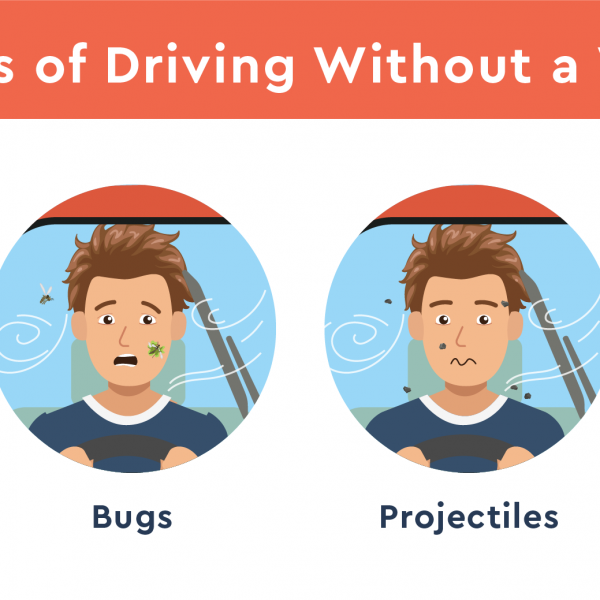
Driving without a windshield raises many safety concerns. The windshield is a key part of your car’s safety system. It helps protect you and keeps your view clear. Without it, risks increase significantly. Understanding these safety issues helps explain why driving without a windshield is dangerous.
Visibility Concerns
The windshield shields you from rain, snow, and wind. Without it, weather conditions can blur your vision. Dust and insects can also block your view. This reduces your ability to see the road clearly. Poor visibility increases the chance of accidents.
Protection From Debris
The windshield stops stones, branches, and other debris from hitting you. Without this barrier, your face and eyes are vulnerable. Small objects can cause serious injuries. Even bugs can distract or hurt the driver. This lack of protection makes driving unsafe.
Impact On Driving Control
Windshields help keep the car’s structure strong. They support airbags and maintain vehicle stability. Driving without one can weaken your car’s safety features. Strong winds may push against you and disturb your control. This can make steering and braking harder.
Exceptions And Special Cases
Driving without a windshield is generally unsafe and often illegal on public roads. Still, some exceptions and special cases allow it under certain conditions. These exceptions mainly focus on safety and the type of property or vehicle involved. Understanding these cases helps avoid fines and dangers.
Driving On Private Property
Driving without a windshield on private property is usually allowed. Private landowners set their own rules. This means you can move a vehicle without a windshield within your yard or a farm. The risk is lower because there is less traffic and fewer hazards. Still, caution is important to avoid injury.
Using Protective Gear
Some drivers use special protective gear when driving without a windshield. Wearing goggles or a full-face helmet protects eyes and face from wind and debris. This gear reduces the risk of injury. It is necessary if driving short distances without a windshield. Protective gear makes the drive safer, especially at higher speeds.
Vehicles Designed Without Windshields
Certain vehicles come without windshields by design. Examples include some off-road vehicles, golf carts, and vintage cars. These vehicles often have special safety features or are driven at low speeds. Laws usually allow these vehicles to operate without a windshield. Check local regulations to confirm what is legal.
Penalties For Violations
Driving without a windshield is not only unsafe but also against the law in many places. Authorities impose strict penalties to discourage this risky behavior. Understanding these penalties helps drivers avoid trouble and stay safe on the road.
Fines And Tickets
Law enforcement often issues fines for driving without a windshield. The amount varies by state and local laws. Tickets may also come with points on your driving record. Repeated offenses can lead to higher fines and more severe penalties.
Insurance Implications
Insurance companies may refuse to cover accidents involving vehicles without windshields. Your policy could be voided for neglecting safety rules. This leaves you responsible for all damages and medical costs. Maintaining a proper windshield helps keep your coverage valid.
Potential Liability
Driving without a windshield increases your liability in accidents. You may be held responsible for injuries caused by flying debris. Courts often view this as negligence. This can result in costly lawsuits and financial losses.
Practical Alternatives
Driving without a windshield is risky and often illegal. Still, some practical alternatives exist for short-term situations. These options help protect you and your vehicle while you arrange proper repairs. Understanding these alternatives keeps you safer on the road and avoids legal trouble.
Temporary Windshield Solutions
Using temporary covers can protect your vehicle from wind and debris. Plastic sheets and heavy-duty tape work well for short distances. These solutions do not replace a real windshield but offer some protection. Avoid driving fast or in bad weather with these fixes.
Towing Vs Driving
Towing your car is safer than driving without a windshield. It prevents injury from flying debris and keeps you legal. Tow services can move your vehicle to a repair shop quickly. Choose towing over driving to avoid fines and accidents.
Professional Replacement Options
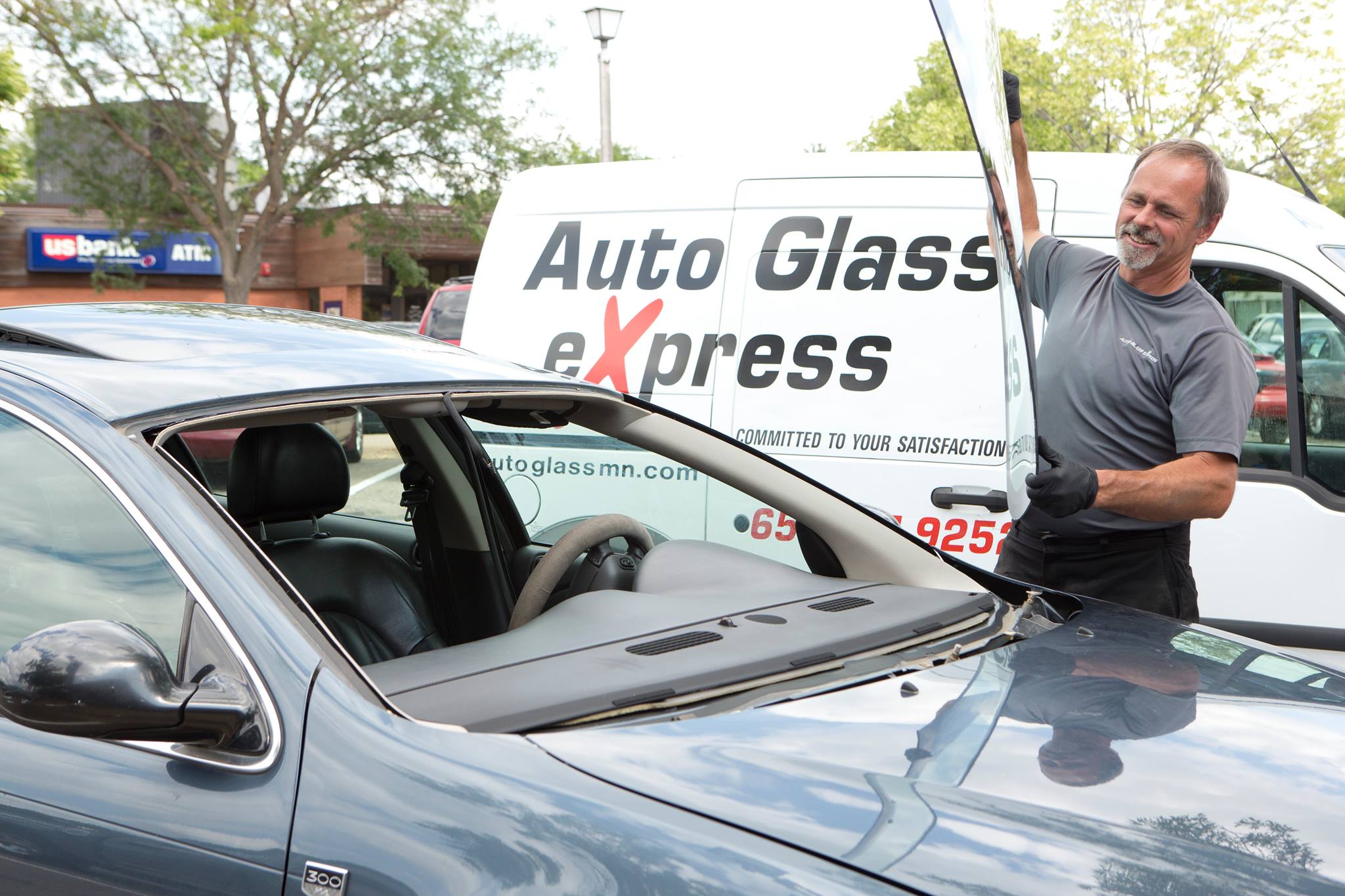
Professional windshield replacement is the best long-term solution. Experts use high-quality glass and proper installation methods. Many shops offer same-day service to reduce downtime. Scheduling a replacement soon ensures safety and compliance with laws.
Conclusion
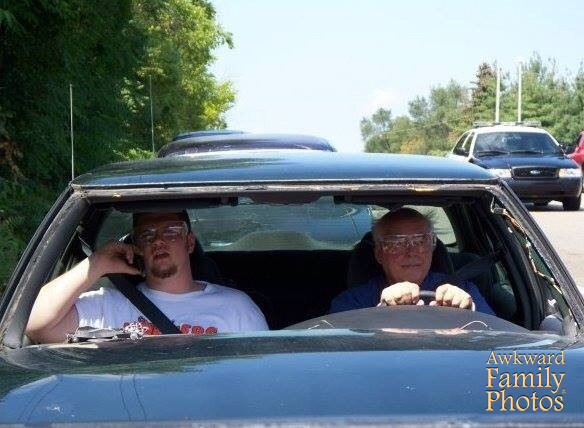
Driving without a windshield is often unsafe and may break the law. Clear visibility and protection from wind and debris matter a lot. Some states allow it, but many require a windshield and wipers. Always check local rules before moving your car without a windshield.
Repair or replace a broken windshield quickly for safety. Staying safe helps avoid fines and accidents. Think twice before driving without proper protection on the road.