
Have you ever noticed a crack on your windshield and wondered, “Could this actually shatter while I’m driving?” It’s a question many drivers face, especially when that small chip suddenly seems to spread or catch your eye on a bumpy road. Your windshield isn’t just glass—it’s a crucial part of your car’s safety system.
A crack might look harmless at first, but it can weaken the entire structure, putting you and your passengers at risk. You’ll discover what really happens to a cracked windshield while you’re behind the wheel, why it might shatter unexpectedly, and how to keep yourself safe on the road.
Keep reading—your safety could depend on what you learn next.
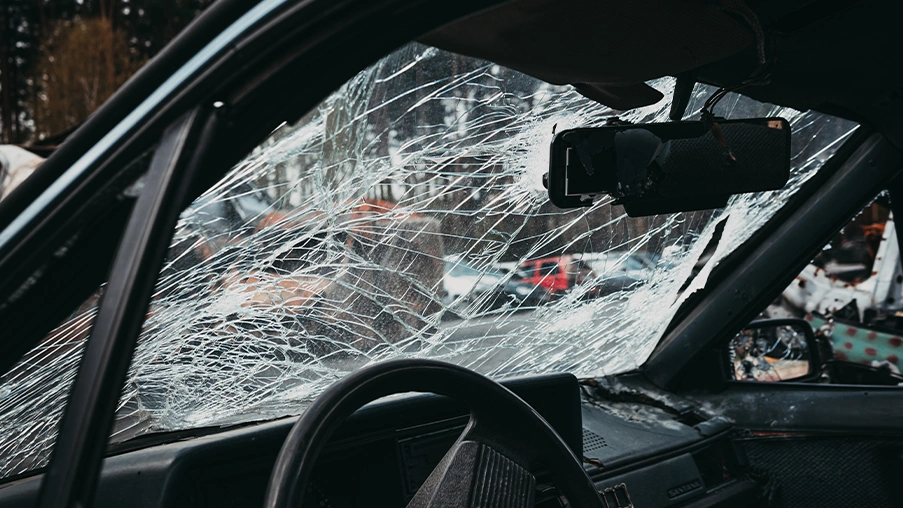
Windshield Materials
The type of glass used in car windshields plays a key role in safety and durability. Different materials react differently to cracks and impacts. Understanding these materials helps explain if a cracked windshield can shatter while driving.
Laminated Glass Features
Laminated glass is the common material for front windshields. It consists of two layers of glass with a plastic layer in between.
This plastic layer holds the glass together even if it cracks. It prevents the glass from breaking into sharp pieces. Instead, the glass bends and stays mostly intact.
Because of this design, laminated glass rarely shatters completely. It can crack from impacts but usually does not break apart during driving. This feature keeps drivers safer in case of accidents.
Tempered Glass Characteristics
Tempered glass is often used for side and rear windows. It is heated and cooled quickly to increase strength.
This glass is harder than regular glass but shatters into small, blunt pieces when broken. This reduces the risk of injury from sharp shards.
Tempered glass does not hold together like laminated glass. Once cracked, it breaks apart quickly. It is less common for windshields because it is more likely to shatter.
Causes Of Windshield Cracks
Windshield cracks appear for many reasons. These cracks start small but can grow fast. Knowing their causes helps prevent bigger problems. Cracks weaken the glass structure. They increase the chance of shattering while driving. Common causes include impact, temperature changes, and road conditions.
Impact From Debris
Flying rocks and debris hit the windshield at high speed. Even small stones cause chips or cracks. The force concentrates on a tiny spot. This pressure breaks the glass surface. Road debris is the leading cause of windshield cracks. Cracks from impacts often start near the glass edges. These cracks can spread quickly with driving vibrations.
Temperature Fluctuations
Glass expands and contracts with heat changes. Hot sun and cold nights create stress inside the windshield. Extreme temperature shifts cause small cracks to grow. Sudden heating, like using hot water on ice, worsens cracks. Temperature changes weaken the glass over time. This makes it more likely to shatter under pressure.
Road Vibrations And Bumps
Driving on rough roads shakes the car constantly. These vibrations stress the windshield glass. Bumps and potholes increase this stress suddenly. Cracks grow longer due to repeated shaking. Road vibrations also weaken the edges of the glass. Over time, this damage can lead to full shattering while driving.
Crack Expansion And Risks
A cracked windshield poses more risks than just poor appearance. Cracks tend to grow over time, especially while driving. This growth can weaken the windshield’s strength and increase the chance of shattering. Understanding how cracks spread and affect the glass helps explain the dangers behind a damaged windshield.
How Cracks Spread
Cracks start small but expand quickly due to road vibrations and temperature changes. Bumps and potholes cause stress on the glass, making cracks grow longer. Heat from the sun can cause the glass to expand, pushing cracks further. Cold weather contracts the glass, worsening the damage. Moisture can also seep into cracks, weakening the structure inside. Once cracks spread, they become harder to repair and more likely to shatter.
Structural Integrity Effects
A cracked windshield loses its ability to protect passengers in a crash. The glass can no longer hold its shape properly. This reduces the car’s overall safety, especially during collisions or rollovers. The windshield supports the roof; a weakened windshield risks roof collapse in accidents. Small impacts can cause a cracked windshield to shatter unexpectedly. Driving with cracks increases danger for both the driver and passengers.
Possibility Of Shattering While Driving
A cracked windshield can cause worry while driving. Many ask if it can shatter suddenly. The chance depends on several factors. Understanding these helps you stay safe on the road. This section explains when a windshield might break and the glass types involved.
Conditions Leading To Shattering
Windshields crack more under stress or impact. Driving on rough roads can worsen cracks. Sudden braking or hitting a pothole adds pressure. Temperature changes cause glass to expand or shrink. Extreme heat or cold weakens the damaged glass. Cracks near the edge are more likely to spread. Small impacts can grow into bigger breaks. A large jolt or accident can cause shattering. Regular inspection helps catch dangerous cracks early.
Differences Between Laminated And Tempered Glass
Windshields use laminated glass. It has two glass layers with a plastic layer inside. This plastic holds pieces together if broken. Laminated glass rarely shatters fully. It cracks but stays mostly in place. Side and rear windows use tempered glass. Tempered glass is stronger but breaks into small pieces. It shatters easily on strong impact. Laminated glass protects drivers better during crashes. Knowing glass type helps assess risk of shattering.
Safety Concerns
Driving with a cracked windshield raises serious safety concerns. The windshield is more than just glass. It supports the roof and helps protect passengers in accidents. A crack weakens this support and can cause unexpected problems. Understanding these risks helps drivers stay safer on the road.
Impact On Airbag Deployment
The windshield plays a key role in airbag function. It acts as a backstop for the passenger airbag. A strong windshield keeps the airbag in the right place during deployment. A cracked windshield may not hold the airbag properly. This can reduce protection in a crash. The airbag might not inflate correctly, increasing injury risk.
Roof Collapse Risks
The windshield adds strength to the car’s roof. It helps prevent the roof from collapsing in a rollover accident. A cracked windshield weakens this support. The roof may crush more easily, trapping passengers inside. This risk is higher in severe accidents. Fixing windshield cracks quickly reduces the chance of roof collapse.

Legal Implications
Driving with a cracked windshield can lead to legal problems. Laws vary widely depending on the region. Authorities focus on safety risks caused by impaired vision or weakened glass. Ignoring cracks might result in fines, citations, or vehicle inspection failures. Understanding local rules helps avoid penalties and keeps roads safer.
Driving With Cracks In Different Regions
Each region sets its own rules about cracked windshields. Some places allow minor cracks as long as they do not block the driver’s view. Other areas ban any windshield damage that might reduce visibility. Law enforcement often checks windshield condition during traffic stops. In some states, driving with a large crack can lead to a ticket or vehicle impoundment.
Many U.S. states require the windshield to be free of cracks in the driver’s direct line of sight. Some European countries have strict inspections that fail cars with any windshield damage. Knowing the laws in your location is important before driving with a cracked windshield.
Inspection And Repair Requirements
Regular vehicle inspections usually include windshield checks. Cracks larger than a few inches often require immediate repair or replacement. Mechanics assess whether the crack compromises glass strength or driver visibility. Some regions require repairs to be done by certified technicians using approved materials.
Failing to repair or replace a cracked windshield can cause a vehicle to fail inspection. In some cases, police officers may order drivers to fix the windshield before continuing to drive. Timely repair helps avoid legal issues and improves safety on the road.
Repair And Replacement Options
Deciding between repairing or replacing a cracked windshield depends on the crack’s size, location, and depth. Proper action can prevent the crack from spreading and ensure your safety on the road. Understanding repair and replacement options helps you make the right choice for your vehicle.
When To Repair
Small cracks or chips under six inches usually qualify for repair. Repairing restores strength and prevents the crack from growing. It is faster and costs less than replacement. Repair works best if the damage is away from the edges and driver’s line of sight. Prompt repair keeps your windshield safe and clear.
When To Replace
Replace the windshield if cracks are longer than six inches. Deep cracks or those near the edges weaken the glass structure. Large damage can block your view and reduce safety. Replacement is necessary if the crack spreads quickly or repair is not possible. A new windshield restores full strength and clarity.
Professional Services
Certified technicians use special tools and resins for repairs. They assess damage and recommend repair or replacement. Professionals ensure the job meets safety standards. Many offer mobile services for convenience. Trusting experts guarantees the windshield stays durable and safe.
Preventive Measures
Taking preventive measures helps reduce the risk of a cracked windshield shattering while driving. A cracked windshield loses strength and can break more easily from bumps or impacts. Simple steps can protect your glass and keep you safe on the road.
Safe Driving Habits
Drive carefully on rough or uneven roads to avoid sudden jolts. Keep a safe distance from other vehicles to prevent stones or debris from hitting your windshield. Avoid sudden braking or sharp turns that increase pressure on the glass. Regularly check your windshield for new cracks or chips and address them quickly. Slow down when driving near construction zones or gravel roads.
Protective Accessories
Use a windshield cover when parking to protect the glass from extreme weather changes. Consider installing mud flaps on your vehicle to reduce debris thrown up by your tires. Choose quality windshield wipers that clean well and avoid scratching the glass. Some drivers use clear protective films to add a layer of strength to the windshield. Regular vehicle maintenance helps prevent parts from damaging the glass.

Conclusion
A cracked windshield rarely shatters suddenly while driving. Modern windshields use laminated glass with plastic layers. This design keeps cracks from turning into dangerous shards. Still, driving with a crack is risky and can worsen quickly. Small impacts, bumps, or temperature changes may make cracks grow.
Repair or replace damaged glass promptly to stay safe. Clear vision and strong glass protect you on the road. Don’t wait for a crack to turn into a bigger problem. Stay alert and maintain your windshield for safer driving every day.