
Have you ever noticed a sudden crack appear on your windshield after a cold night? It’s frustrating and surprising, but yes—cold weather can cause your windshield to crack.
When temperatures drop, your windshield glass contracts and becomes more brittle. If there’s already a tiny chip or weak spot, the cold can turn it into a full crack. Plus, rapid changes in temperature—like blasting your defroster on a freezing morning—can make things worse.
You’ll learn exactly why cold causes windshield cracks and how you can protect your car from costly damage this winter. Stay with us, and you’ll discover simple tips to keep your windshield safe no matter how low the temperature drops.
Cold Effects On Windshields
Cold weather impacts windshields in several ways. Glass reacts to low temperatures by shrinking and becoming brittle. Small chips or cracks grow faster in freezing conditions. Understanding these effects helps protect your windshield from damage. Below are key factors explaining how cold causes cracks.
Thermal Contraction And Stress
Glass contracts as temperatures drop. This shrinking creates tension inside the windshield. The tension can exceed the glass’s strength. Existing chips or weak spots become starting points for cracks. Repeated cold cycles increase the risk of damage.
Moisture Expansion In Cracks
Water can enter tiny cracks during wet weather. When temperatures fall below freezing, the water turns to ice. Ice expands and pushes the crack open wider. This pressure makes cracks grow quickly in cold weather. Moisture inside cracks accelerates windshield damage.
Thermal Shock From Rapid Heating
Sudden warming causes thermal shock in cold glass. For example, using a hot defroster on a frozen windshield creates stress. The rapid temperature change causes the glass to expand unevenly. This stress often results in new cracks or worsens old ones. Gradual warming reduces this risk.
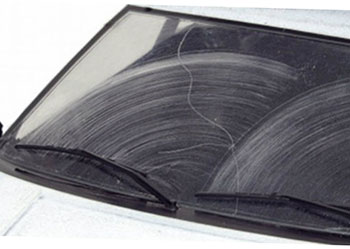
Common Causes Of Cracks In Cold
Cold weather can cause cracks in windshields in several ways. Understanding these common causes helps protect your glass. The cold makes glass contract and become brittle. Small issues can quickly turn into bigger problems. Here are the main reasons cracks form or grow in cold conditions.
Existing Chips Worsening
Small chips in the glass weaken the windshield. Cold temperatures make these weak points worse. Water can enter the chip and freeze. Ice expands and pushes the crack wider. This causes the chip to turn into a full crack. Even tiny damage can grow fast in cold weather.
Temperature Fluctuations
Glass expands and contracts with temperature changes. Rapid shifts from warm to cold cause stress. This stress can crack the windshield. For example, blasting a hot defroster on cold glass creates sudden pressure. Uneven temperatures inside and outside the glass add tension. This often leads to new cracks or spreads existing ones.
Impact Of Vibration And Movement
Driving on rough roads shakes the car and windshield. These vibrations stress the glass. Cold glass is less flexible and more likely to crack. Even small movements can cause cracks to grow. Bumps or potholes increase the risk of damage. The combination of cold and movement weakens the windshield structure.
Preventing Cold Weather Cracks
Preventing cold weather cracks in your windshield requires simple, careful steps. Cold causes glass to shrink and become brittle. Small chips can quickly turn into large cracks. Taking action early saves money and keeps you safe. Follow these tips to protect your windshield during winter.
Avoiding Rapid Heating
Do not blast hot air on a frozen windshield. Sudden heat causes glass to expand quickly. This stress can crack the glass. Use a gentle, low heat setting instead. Allow the windshield to warm slowly and evenly.
Careful Ice Removal
Use a soft ice scraper or de-icer spray. Avoid sharp or heavy tools that can chip the glass. Do not hammer or tap the windshield to break ice. Take time and gently remove ice to prevent damage.
Smart Parking Choices
Park your car in a garage or covered area. This keeps the windshield warmer and reduces frost buildup. If no shelter is available, face your windshield away from the wind. Cover the windshield with a cloth or frost guard to protect it.
Timely Chip Repairs
Fix small chips or cracks as soon as possible. Cold weather makes existing damage worse. Early repairs stop cracks from spreading. Visit a professional auto glass shop quickly to keep your windshield strong.

Repairing Windshields In Cold
Repairing windshields in cold weather requires special care and attention. The low temperatures affect both the glass and the repair materials. Cold weather can cause the glass to contract and become brittle, making repairs more difficult. Understanding the challenges and ideal conditions helps ensure a successful repair.
Challenges Of Cold Weather Repairs
Cold air makes glass contract, increasing stress on cracks. Repair resin may thicken and not flow properly. Moisture can freeze inside the crack, preventing adhesion. Tools and equipment can become less effective in freezing temperatures. These factors can reduce the quality of the repair or cause it to fail.
Ideal Conditions For Repair
The best repair happens when the temperature is between 50°F and 75°F. The glass and resin bond well in this range. The repair area should be dry and free of ice or snow. If outside temperatures are too low, warming the car gently helps. Avoid using strong heat suddenly on cold glass to prevent more cracks.
Professional Repair Tips
Experts use special warming devices to raise glass temperature slowly. They clean the damaged area carefully to remove moisture and debris. Professionals apply resin that flows well even in cooler weather. They cure the resin using UV light for a strong bond. Timely repairs reduce the chance of cracks spreading further.
Signs Of Windshield Damage
Detecting windshield damage early helps prevent bigger problems. Cold weather can worsen tiny chips and cracks. Identifying signs of damage ensures timely repair. Understanding these signs keeps your windshield safe and intact.
Recognizing Chips And Cracks
Look closely for small chips or tiny cracks on the glass. Chips often appear as small, shallow pits. Cracks may start thin and grow longer over time. Pay attention to spiderweb patterns or lines spreading from a point. These signs show the glass is weakened.
When To Seek Repair
Get repairs as soon as you spot any chip or crack. Quick action stops damage from growing. Repair is urgent if cracks are longer than a dollar bill. Also repair if damage blocks your view while driving. Professional repair restores strength and clarity.
Risks Of Ignoring Damage
Ignoring damage risks the crack spreading fast. Temperature changes, bumps, and vibrations make cracks worse. A large crack can shatter the windshield unexpectedly. This endangers your safety and increases repair costs. Delaying repair may require full windshield replacement.

Conclusion
Cold weather can cause your windshield to crack or worsen existing damage. Glass shrinks and becomes brittle in low temperatures. Small chips turn into large cracks when moisture freezes inside them. Rapid temperature changes, like using hot defrosters, increase stress on the glass.
Taking care during winter helps protect your windshield from damage. Regular checks and gentle warming can prevent costly repairs later. Stay mindful of cold’s effects to keep your windshield strong and safe.