
A 2013 Ford F-150 is generally considered reliable, especially when it’s been maintained well and hasn’t been overworked. The best track records usually come from the 5.0L V8 and 3.5L EcoBoost, while problems can pop up from neglected maintenance, turbo wear, timing issues, or rough transmissions on higher-mile trucks.
If you’re shopping for one, check service history, listen for cold-start noises, scan for codes, and look for leaks, rust, and uneven shifting.

Introduction to the 2013 Ford F150
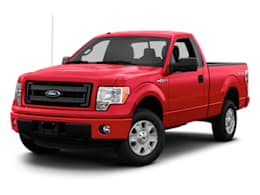
The Ford F150 is a full-size pickup truck. It is used for work and everyday driving. The 2013 model is part of the twelfth generation. This generation was known for strong engines and a comfortable ride. The F150 is famous for its towing power and good fuel economy.
Many people buy this truck for its strength. It can carry heavy loads and pull trailers. This makes it useful for farmers, builders, and families. But, is it a good choice for you? Let’s explore its reliability.
What Makes a Truck Reliable?
Before we talk about the 2013 Ford F150, let’s understand what reliability means. A reliable truck:
- Starts easily every time.
- Needs few repairs.
- Has good parts that last long.
- Is safe to drive.
- Costs less to fix.
If a truck meets these points, it is called reliable. People can depend on it for work and travel.
Engine Options in 2013 Ford F150
The 2013 Ford F150 came with different engines. These are important because the engine affects reliability. Here are the main engines:
| Engine | Type | Horsepower | Notes |
|---|---|---|---|
| 3.7L V6 | Gasoline | 302 hp | Good fuel economy, reliable for daily use. |
| 5.0L V8 | Gasoline | 360 hp | Strong power, good for towing and hauling. |
| 3.5L EcoBoost V6 | Turbo Gasoline | 365 hp | More power with better fuel use, newer tech. |
| 6.2L V8 | Gasoline | 411 hp | Very powerful, used in heavy-duty models. |
Each engine has its own strengths. The 3.7L V6 is good for simple tasks. The 5.0L V8 is popular for strength and reliability. The 3.5L EcoBoost is newer and offers better fuel economy. The 6.2L V8 is very strong but uses more fuel.
Reliability Ratings and Reports
Many organizations test trucks for reliability. They check how often trucks break down and how much it costs to fix them. For the 2013 Ford F150, the ratings are mostly positive.
Some key points about reliability:
- The 5.0L V8 engine is known for being very reliable.
- The EcoBoost engine is good but can have more complex repairs.
- Some trucks had problems with the transmission, but not many.
- Overall, it scores above average in reliability.
Owners often say the 2013 F150 runs well for many years. With good care, it can last over 200,000 miles.
Common Problems with the 2013 Ford F150
No truck is perfect. The 2013 Ford F150 has some common issues. Knowing these helps you avoid surprises.
1. Transmission Issues
Some owners report problems with the automatic transmission. It may shift roughly or hesitate. Usually, this happens after many miles. Regular transmission fluid changes can help prevent this.
2. Door Latch Problems
Some trucks have issues with door latches not working well. This can cause doors to not close properly. It is a minor problem but annoying.
3. Engine Oil Consumption
Some 3.5L EcoBoost engines use more oil than normal. Drivers need to check oil levels often. Adding oil between changes is important.
4. Electrical Problems
Owners sometimes find problems with electrical parts. For example, power windows or locks may stop working. These issues are usually easy to fix.
Maintenance Tips to Keep Your Truck Reliable
Good maintenance is the best way to keep any truck reliable. Here are some simple tips for the 2013 Ford F150:
- Change oil and filters on time. Use the right type of oil.
- Check transmission fluid regularly. Replace it as needed.
- Inspect brakes and tires. Replace worn parts quickly.
- Keep the cooling system clean. Check coolant levels often.
- Listen for strange noises. Fix problems early.
- Check electrical parts regularly. Replace or repair faulty parts.
Following these steps can help your truck last longer. It also saves money on repairs.
Fuel Economy and Running Costs
The 2013 Ford F150 has good fuel economy for a truck this size. Here are average miles per gallon (MPG) numbers:
| Engine | City MPG | Highway MPG |
|---|---|---|
| 3.7L V6 | 17 | 23 |
| 5.0L V8 | 15 | 21 |
| 3.5L EcoBoost V6 | 16 | 22 |
| 6.2L V8 | 13 | 18 |
Fuel costs depend on how much you drive. Trucks with bigger engines use more fuel. The 3.7L V6 is the most fuel efficient. The EcoBoost V6 also saves fuel with turbo technology.
Is the 2013 Ford F150 Good for You?
The 2013 Ford F150 is reliable for many drivers. It works well for daily driving and heavy work. But it depends on your needs.
Choose the 3.7L V6 if you want better fuel economy. Pick the 5.0L V8 or EcoBoost for more power. The 6.2L V8 is best for very heavy jobs.
Think about how you will use your truck. If you need a strong, reliable pickup, the 2013 F150 is a good choice. Just remember to maintain it well.
Summary
The 2013 Ford F150 is mostly reliable. Many owners are happy with its performance. The truck has strong engines and good fuel economy. Some common problems exist but are usually easy to fix. Regular maintenance helps keep the truck running smoothly.
If you want a truck for work or family, this model is worth considering. It offers good value for the price. Just check the truck’s history and condition before buying. This will help you avoid problems.
In conclusion, the 2013 Ford F150 is a reliable truck for many drivers. It can last a long time with proper care.
Frequently Asked Questions
Is The 2013 Ford F150 Engine Reliable?
The 2013 Ford F150 has a strong engine with few common problems reported.
How Often Does The 2013 Ford F150 Need Repairs?
Repairs are generally infrequent; routine maintenance keeps it running well.
What Are Common Issues In The 2013 Ford F150?
Some owners report minor electrical glitches and occasional transmission concerns.
Does The 2013 Ford F150 Have Good Fuel Efficiency?
Fuel economy is average for its class, suitable for daily driving.