
Choosing the right all-terrain tires can make a huge difference in how your vehicle handles rough roads, muddy trails, or snowy paths. But with so many types available, it’s easy to feel overwhelmed.
You want tires that match your driving style and the places you love to explore. This guide will help you understand the different types of all-terrain tires, so you can pick the perfect set for your adventures. Keep reading to find out which tires will keep you safe and in control, no matter where the road takes you.
All-terrain Tire Basics
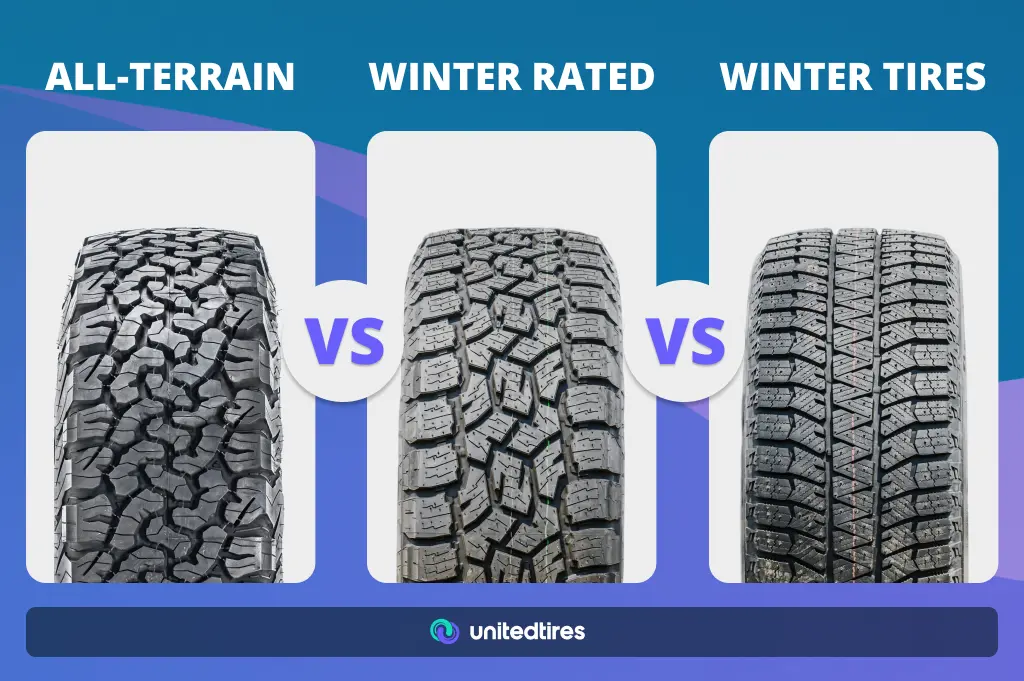
All-terrain tires offer a balance between on-road comfort and off-road capability. They suit drivers who travel on highways and rough paths. These tires handle mud, gravel, and snow better than regular tires. Understanding their basics helps in choosing the right one for your vehicle.
Key Features
All-terrain tires have deep treads for better grip on uneven surfaces. The tread patterns vary to improve traction on dirt and rocks. Sidewalls are stronger to resist cuts and punctures. They also provide a quieter ride than specialized off-road tires. The design supports both wet and dry road conditions.
Performance Factors
Performance depends on tread design and rubber compound. Softer rubber improves grip but wears faster. Stiffer compounds last longer but may reduce traction off-road. Tire size affects handling and ride comfort. Proper inflation ensures safety and optimal performance. All-terrain tires balance durability and flexibility for varied terrains.
Credit: www.utires.com
Mud-terrain Tires
Mud-terrain tires are made for rough and muddy surfaces. They have deep, wide treads that dig into soft ground. These tires help vehicles get through thick mud and loose dirt. They give strong traction where other tires might slip. Mud-terrain tires are popular for off-road driving and tough jobs.
Design Characteristics
Mud-terrain tires have large, chunky tread blocks. The gaps between treads are wide to clear mud easily. Sidewalls are reinforced for extra strength. The tread pattern is aggressive to grip uneven surfaces. These tires usually have a tougher rubber compound. This design helps resist cuts and tears from rocks and branches.
Best Use Cases
These tires work best on muddy trails and dirt roads. They are ideal for off-road adventures and farming. Mud-terrain tires suit vehicles used in construction sites. They perform well in wet and slippery conditions. Not made for smooth highways or city driving. Best for drivers who need traction in soft ground.
Pros And Cons
Pros include excellent grip on mud and dirt. Durable and tough against sharp objects. Great for heavy-duty off-road use. Cons are they can be noisy on paved roads. They wear faster on hard surfaces. Fuel efficiency may drop due to rolling resistance. Less comfortable ride on smooth roads.
Highway Terrain Tires
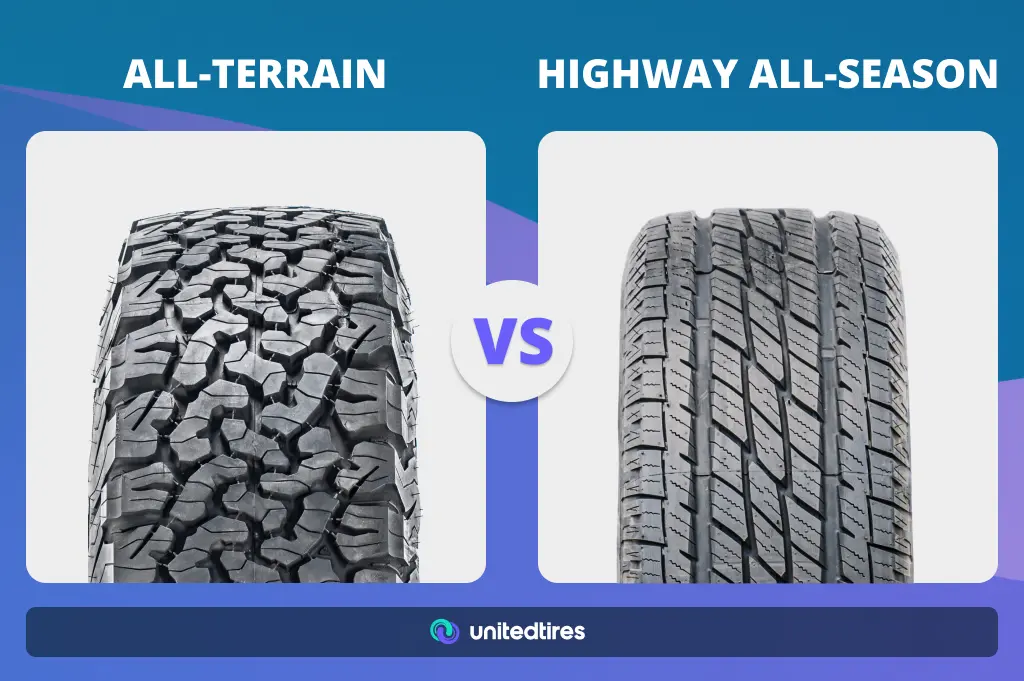
Highway terrain tires suit drivers who mostly use paved roads. They combine comfort and good road grip. These tires handle light off-road paths but excel on highways. Their design focuses on smooth rides and durability.
Highway terrain tires offer a balance of performance and safety. They work well in dry and wet conditions. Many drivers prefer them for daily use and long trips.
Tread Patterns
These tires have less aggressive tread designs. The tread blocks are closer together for a smoother ride. This pattern reduces road noise and improves traction on pavement. It also helps in wet conditions by channeling water away.
Comfort And Noise Levels
Highway terrain tires provide a quiet ride. Their design minimizes vibrations and road noise. You feel less bumpiness on rough roads. Comfort is a key feature for long drives.
Fuel Efficiency
These tires reduce rolling resistance. Lower resistance means less fuel consumption. They help save money on gas over time. Fuel efficiency is important for daily commuters and travelers.
All-season All-terrain Tires
All-Season All-Terrain Tires offer a balanced option for drivers. They handle many road types without needing a tire change. These tires suit mild to moderate off-road conditions and city streets alike.
Versatility
These tires perform well on dry, wet, and light snow-covered roads. They fit various vehicles like trucks, SUVs, and crossovers. Drivers can switch between highways and dirt paths easily.
Weather Performance
All-season tires maintain grip in different weather conditions. Their tread design helps channel water and prevent slipping. They provide safer drives in rain and light snow.
Durability
All-Season All-Terrain Tires use strong rubber compounds. This makes them last longer on rough surfaces. They resist cuts and chips from rocks and debris.
Rock Terrain Tires
Rock terrain tires are built for tough, rocky surfaces. They provide the control and toughness needed for climbing over rough ground. These tires help drivers keep steady and safe on sharp rocks and uneven trails.
Grip And Traction
Rock terrain tires have deep, wide treads. These treads grip rocks firmly. They stop slipping on loose stones and wet surfaces. The tire pattern allows them to hold tight on steep slopes.
Construction Strength
These tires use strong rubber compounds. They resist cuts and tears from sharp rocks. Their sidewalls are thick and tough. This prevents punctures and damage during off-road driving.
Ideal Conditions
Rock terrain tires work best on rocky trails and mountains. They handle rough paths with lots of stones. They are not made for smooth or soft ground. These tires excel where extra grip and strength matter most.
Hybrid All-terrain Tires
Hybrid all-terrain tires offer a smart mix of features. They work well on both highways and rough roads. These tires provide good grip on dirt and stability on pavement. Drivers enjoy comfort without losing off-road capability.
Combination Features
Hybrid tires blend rugged tread with smoother patterns. They have reinforced sidewalls for extra strength. The tread blocks are designed to shed mud and snow. At the same time, they reduce road noise. This balance helps the tire last longer.
Balanced Performance
These tires deliver steady performance on many surfaces. They handle wet and dry roads with ease. Hybrid tires offer decent fuel efficiency for their type. They absorb shocks better than pure off-road tires. This makes rides smoother on city streets.
Target Audience
Drivers who use their vehicles on mixed roads choose hybrids. They suit those who commute daily but explore trails on weekends. Families and adventurers who want safety and comfort prefer these tires. Hybrid tires fit SUVs, pickups, and crossovers well.
Top All-terrain Tire Brands
Choosing the right all-terrain tire brand is key for safety and performance. Many brands offer tires designed to handle rough roads and smooth highways. Each brand has unique features that fit different needs and budgets.
Understanding the top brands helps you select tires that last longer and perform better. Quality tires improve your driving experience on all surfaces.
Popular Models
Brands like BFGoodrich, Goodyear, and Michelin lead the market. BFGoodrich All-Terrain T/A KO2 is a favorite for toughness. Goodyear Wrangler All-Terrain Adventure offers great grip on wet and dry roads. Michelin LTX A/T2 is known for smooth rides and durability. These models suit trucks, SUVs, and off-road vehicles well.
Reputation And Reliability
BFGoodrich is trusted for rugged durability and off-road skills. Goodyear has a long history of quality and innovation. Michelin focuses on comfort and long tire life. Each brand tests their tires under tough conditions. They stand behind their products with strong warranties. Choosing a reliable brand means fewer tire problems and safer drives.
Credit: www.utires.com
Choosing The Right Tire
Choosing the right all-terrain tire is key for a safe and smooth ride. Different tires suit different types of terrain. Picking the best tire helps your vehicle perform well and last longer.
Consider your regular driving surface and weather. Think about how often you drive off-road. Your choice affects fuel efficiency and comfort.
Matching Tires To Terrain
All-terrain tires vary in tread pattern and rubber type. Tires for rocky surfaces have deeper treads. Mud tires need wide gaps to push out dirt. Sand tires have special designs to avoid sinking.
Pick tires that match your main driving surface. Hard surfaces need tires that resist wear. Soft ground needs tires that grip well. This ensures better control and safety.
Budget Considerations
All-terrain tires come in many price ranges. Cheaper tires may wear out faster. Expensive tires offer better grip and durability. Set a budget but don’t ignore quality.
Consider how long the tire will last. Sometimes paying more saves money over time. Balance price with your driving needs and tire life.
Maintenance Tips
Keep tires clean and check for damage often. Rotate tires every 5,000 to 7,000 miles. Proper inflation improves tire life and fuel economy.
Check tread depth to know when to replace tires. Avoid sharp objects and rough roads when possible. Good maintenance keeps tires safe and reliable.
Credit: murraystirebargains.com
Conclusion
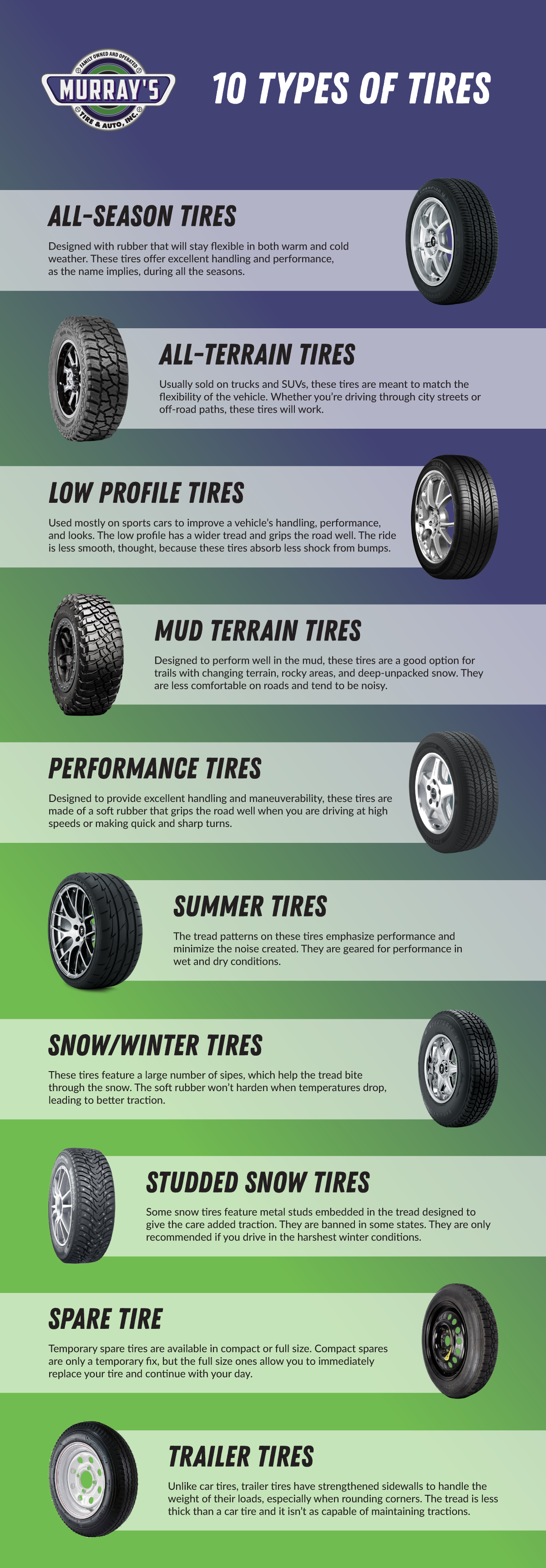
Choosing the right all-terrain tire can make a big difference. Each type fits different roads and weather conditions. Think about where you drive most often. Some tires work best on mud, others on rocks or snow. Picking the right one helps your vehicle perform better and stay safe.
Remember to check your tire size and durability too. Good tires can improve comfort and fuel efficiency. Take your time to find the best fit for your needs. Safe driving starts with the right tires on your vehicle.