
Are you feeling vibrations or noticing uneven tire wear while driving? Your tires might need balancing, but did you know there are different types of tire balancing?
Understanding these types can save you money, improve your ride comfort, and extend the life of your tires. You’ll discover the key methods used to balance tires and learn which one is best for your vehicle. Keep reading to make sure your drive stays smooth and safe.
Credit: tirecrunch.com
Why Tire Balancing Matters
Tire balancing keeps your vehicle running smoothly and safely. When tires are not balanced, they cause vibrations. These vibrations can make driving uncomfortable and unsafe. Proper balancing helps the tires wear evenly. This means they last longer and perform better.
Balanced tires also improve fuel efficiency. Unbalanced tires create extra drag, making the engine work harder. This wastes fuel and costs more money. Regular tire balancing saves you money and protects your car.
Improves Ride Comfort
Balanced tires reduce shaking and vibrations. You feel a smoother ride, especially at high speeds. This makes driving less tiring and more enjoyable.
Extends Tire Life
Uneven tire wear happens with unbalanced tires. This can cause early tire damage and replacements. Balanced tires wear evenly and last longer.
Protects Vehicle Parts
Vibrations from unbalanced tires damage suspension and steering parts. Balanced tires reduce wear on these parts. This lowers repair costs and keeps your car safer.
Enhances Safety
Shaking tires can affect your control on the road. Balanced tires improve handling and braking. This helps prevent accidents and keeps you safe.
Static Balancing
Static balancing is a basic method to balance tires. It focuses on balancing the tire on a single plane. This helps to reduce vibration and improve ride comfort. Static balancing is often used for lighter vehicles or tires with simple designs.
How It Works
Static balancing checks for heavy spots in the tire. The tire spins slowly on a vertical axis. The heavy spot causes the tire to stop at the bottom. Technicians add small weights to the opposite side. This balances the tire and stops it from moving unevenly.
Benefits And Drawbacks
Static balancing is simple and fast. It requires less equipment than other methods. It improves ride smoothness and tire life. It works well for small or narrow tires.
Static balancing cannot fix all vibration issues. It does not balance the tire side to side. It may not work well for larger or wider tires. Dynamic balancing is better for those cases.
Dynamic Balancing
Dynamic balancing is a method to balance tires while they spin. It checks how weight is spread on the tire and wheel assembly. This type of balancing helps reduce vibrations that happen when the vehicle moves. It improves ride comfort and tire life.
Process Explained
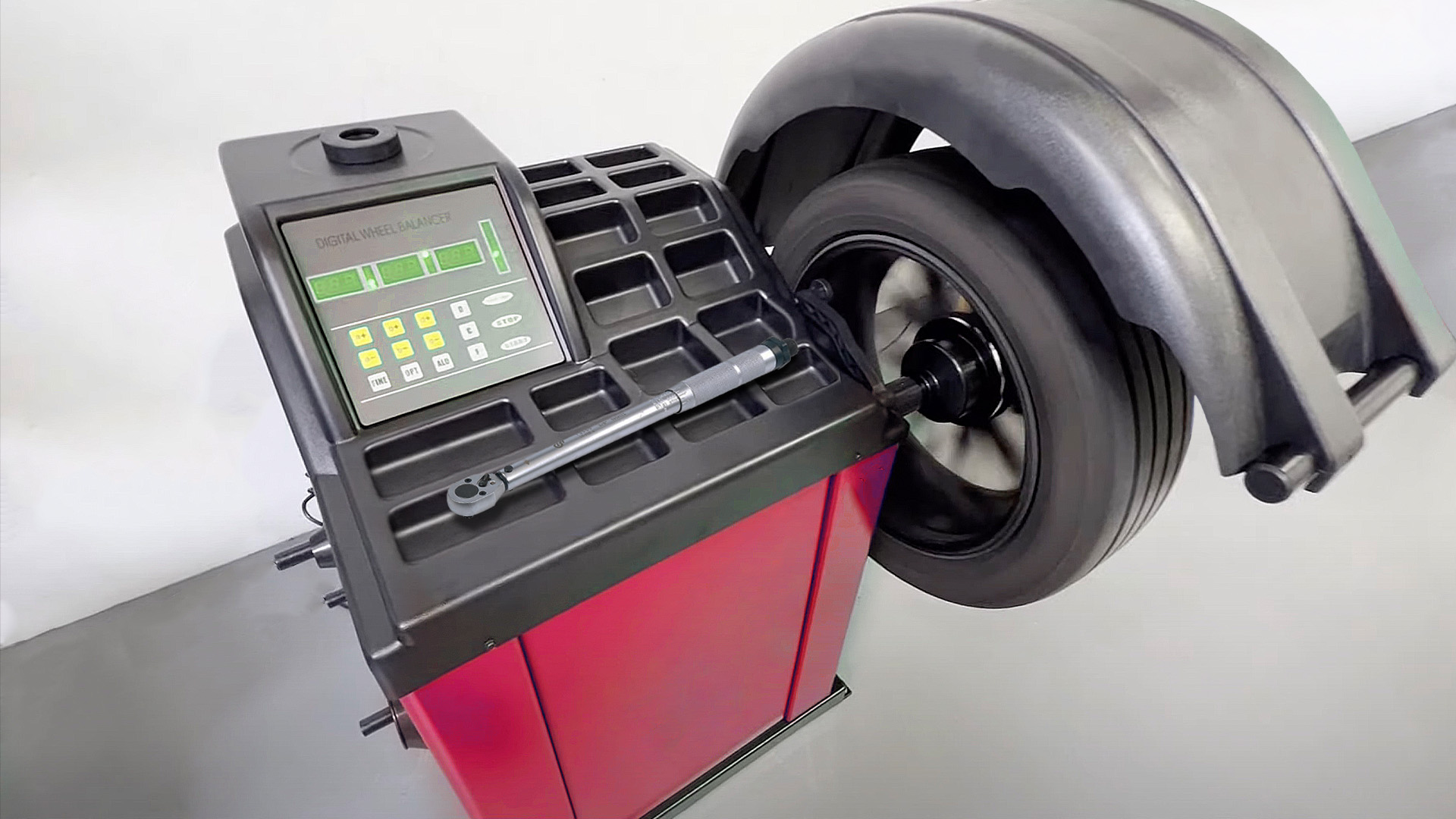
The tire and wheel are placed on a machine. The machine spins them at a set speed. Sensors detect any wobbling or vibration. It finds the exact spots where weights need adding or removing. Technicians add small weights to the rim to balance the tire. This process ensures smooth rotation on both sides of the wheel.
Advantages Over Static Balancing
Dynamic balancing detects imbalance on two planes, unlike static balancing. It corrects both vertical and horizontal vibrations. This leads to a smoother and safer drive. It also extends the life of tires and suspension parts. Dynamic balancing is ideal for high-speed driving and larger vehicles.
Road Force Balancing
Road force balancing is a modern method to balance tires with precision. It goes beyond traditional balancing by checking how the tire and wheel behave on the road. This process helps find hidden issues that cause vibrations and uneven tire wear. It ensures a smoother and safer ride.
Technology Behind It
Road force balancing uses a special machine with a drum. The tire and wheel spin on the drum, simulating road contact. Sensors measure the force and pressure variations on the tire surface. The machine spots heavy spots and uneven stiffness in the tire. It then suggests precise weight placement or tire adjustments. This technology mimics real driving conditions better than regular balancing.
When To Use Road Force Balancing
Use road force balancing if you feel vibrations at certain speeds. It helps when tires wear unevenly or cause steering issues. This method works well for high-performance and expensive tires. It is also useful after tire repairs or mounting new tires. Road force balancing improves comfort and extends tire life.
Spin Balancing
Spin balancing is a popular tire balancing method used to find and fix wheel vibrations. It checks the tire and wheel as a whole. This method helps create a smooth ride and reduces wear on tires and suspension parts.
Method Description
Spin balancing spins the tire and wheel on a special machine. Sensors detect any imbalance by measuring vibrations. The machine shows where weights must be added. Technicians place small weights to balance the tire evenly. This process repeats until the tire spins smoothly. It checks both static and dynamic balance.
Common Applications
Spin balancing suits most passenger cars and light trucks. It works well for new tires and wheels. Many repair shops use it for routine tire services. It also helps fix vibration problems after tire repairs. This method is effective on tires with complex designs. It ensures safe and comfortable driving on highways and city roads.

Credit: www.yokohamatire.com
Choosing The Right Method
Choosing the right tire balancing method is important for a smooth ride. Different methods suit different needs and vehicles. Understanding your options helps you pick what works best for you.
Factors To Consider
Consider your vehicle type and driving habits first. Light cars and heavy trucks need different balancing methods. Road conditions also matter. Rough roads may require more precise balancing. The skill of the technician plays a role too. Some methods need special tools or training. Time is another factor. Some methods take longer than others.
Cost Vs. Performance
Basic balancing methods cost less but may not last long. High-end methods cost more but offer better results. Think about how often you drive and your budget. For daily driving, a standard method might be enough. For long trips or heavy loads, invest in better balancing. Spending more can save money on tire wear and fuel. Balance cost with the performance you need.
Signs You Need Tire Balancing
Tire balancing is key to a smooth and safe ride. Unbalanced tires cause uneven wear and can make driving uncomfortable. Spotting signs of imbalance early saves money and prevents damage.
Check your car for these signs. They often mean you need tire balancing soon.
Vibrations While Driving
Feel shaking or vibrations in the steering wheel or seat? This often means your tires are not balanced. The faster you go, the worse the vibration gets. It can make driving tiring and unsafe.
Uneven Tire Wear
Look at your tires closely. If the tread wears out unevenly, it shows imbalance. Some parts wear faster than others. This reduces tire life and hurts car handling.
Pulling To One Side
Does your car drift or pull to one side? This can happen from unbalanced tires. The car may feel harder to control. It also causes uneven stress on tires and suspension parts.
Increased Fuel Consumption
Unbalanced tires cause the engine to work harder. This can lower fuel efficiency. You might notice your car uses more gas than usual. Balancing your tires helps save fuel costs.
Maintaining Balanced Tires
Maintaining balanced tires is essential for a smooth and safe ride. Balanced tires help prevent vibrations and uneven tire wear. This keeps your vehicle stable and improves fuel efficiency. Regular care ensures your tires last longer and perform well.
Regular Checks
Check your tires regularly for signs of imbalance. Look for uneven tire wear or vibrations while driving. These signs indicate your tires may need balancing. Keep a routine schedule to inspect tire condition. Early detection helps avoid bigger problems and costly repairs.
Professional Services
Visit a professional for tire balancing services. Experts use special machines to balance tires accurately. They can fix issues that are hard to spot at home. Professionals ensure your tires are balanced for safe driving. Trust their skills to maintain your vehicle’s performance.

Credit: liftnow.com
Conclusion
Tire balancing helps your vehicle run smoothly and safely. Different types suit different needs and conditions. Regular balancing improves tire life and driving comfort. It also reduces wear on suspension parts. Knowing the types helps you choose the right service.
Proper balance keeps your car steady on the road. Don’t ignore signs of imbalance like vibrations or noise. Check your tires often for best performance and safety. Simple steps can prevent bigger problems later. Keep your wheels balanced for a safer drive every time.