When it comes to your safety on the road, understanding the types of braking systems is crucial. You might think all brakes work the same, but that’s far from true.
Different vehicles use different braking technologies, each designed to keep you in control and stop you quickly when it matters most. By learning how these systems work, you’ll not only make smarter choices when buying or maintaining a vehicle but also feel more confident every time you hit the brakes.
Keep reading to discover the key braking systems and how they impact your driving experience.

Credit: www.theengineeringchoice.com
Hydraulic Braking Systems
Hydraulic braking systems use fluid to transfer force from the brake pedal to the brake pads. They provide smooth and reliable stopping power. These systems are common in many vehicles due to their efficiency and safety features.
Components And Operation
The main parts include a master cylinder, brake lines, and wheel cylinders or calipers. Pressing the brake pedal pushes fluid through the brake lines. The fluid pressure moves the brake pads to squeeze the wheels. This action slows or stops the vehicle quickly.
Advantages And Limitations
Hydraulic brakes offer strong, even pressure for smooth braking. They require less effort to operate than mechanical brakes. The system adjusts itself for wear, keeping brakes effective longer. They can leak or lose pressure if damaged. Maintenance is essential to avoid fluid contamination or air in the lines.
Common Applications
Hydraulic braking systems are widely used in cars, trucks, and motorcycles. Many bicycles use smaller hydraulic brakes for better control. Some heavy machinery and aircraft also rely on hydraulic brakes for safety. Their reliability makes them a popular choice for many transport types.
Mechanical Braking Systems
Mechanical braking systems use simple physical parts to stop vehicles or machines. They rely on direct force applied through cables or rods to create friction. This friction slows down or stops movement. These systems are common in many everyday machines due to their straightforward design and easy maintenance.
Mechanical brakes do not need electrical power or complex controls. This makes them reliable in many situations. They work well in bikes, older cars, and some industrial machines.
Cable And Lever Mechanisms
Cable and lever mechanisms are key parts of mechanical brakes. The lever pulls a cable connected to brake pads or shoes. The pads press against a wheel or drum to slow it down. The force from the lever transfers directly to the brakes.
Cables are usually made of strong steel wires. They bend and move easily but do not stretch much. Levers give the user more control and power by increasing force applied to the brakes.
Performance Characteristics
Mechanical brakes offer good control at low speeds. They provide quick response without delay. The force applied by the user directly affects braking strength.
These brakes can wear out faster than hydraulic ones. They need regular adjustment to keep braking smooth. Mechanical brakes work best in dry or mild conditions. They may lose efficiency if cables stretch or get dirty.
Typical Use Cases
Mechanical braking systems are common in bicycles and motorcycles. They also appear in hand brakes of cars. Many industrial machines use them for simple stopping needs.
They suit machines that need easy repair and low cost. Mechanical brakes fit well where power sources are limited or absent. Their simple design makes them popular for everyday use.
Electric Braking Systems
Electric braking systems play a vital role in modern vehicles. They use electrical energy to slow down or stop a vehicle. These systems offer better control and efficiency than traditional brakes. Electric brakes are common in electric and hybrid cars. They help save energy and reduce wear on parts.
Regenerative Brakes
Regenerative brakes capture energy during braking. They convert the vehicle’s motion into electrical energy. This energy goes back to the battery for reuse. It helps extend the driving range of electric cars. Regenerative braking also reduces heat and wear on brake pads.
Electric Drum And Disc Brakes
Electric drum and disc brakes use electric motors to apply braking force. They replace or support traditional hydraulic brakes. Electric disc brakes are common in high-performance vehicles. Drum brakes work well in heavier vehicles. Both types provide quick and precise braking responses.
Impact On Energy Efficiency
Electric braking systems improve overall energy efficiency. They reduce energy loss during braking. Regenerative braking recycles energy that would otherwise be wasted. This lowers fuel consumption in hybrid cars. Electric brakes also reduce the need for frequent maintenance.

Credit: www.theengineeringchoice.com
Air Braking Systems
Air braking systems are common in heavy vehicles like trucks and buses. These systems use compressed air to apply pressure to the brakes. This method offers strong and reliable stopping power. It is designed to handle large vehicle weights safely.
Working Principle
Air brakes use air pressure to push brake pads against the wheels. The system has a compressor that fills air tanks. When the driver presses the brake pedal, air moves through pipes to the brake chambers. This air pressure forces the brake shoes to press on the drum or disc. The friction slows down the vehicle. When the pedal is released, air escapes, and the brakes release.
Benefits For Heavy Vehicles
Air brakes provide consistent and powerful braking for heavy loads. They do not lose strength as easily as hydraulic brakes. The system is safer because it automatically applies brakes if air pressure drops. Air brakes also allow quick response times and better control. This makes them ideal for long, heavy vehicles.
Maintenance Considerations
Regular checks are vital for air braking systems. Air tanks need draining to remove moisture and prevent rust. The compressor and valves require inspection for leaks. Brake pads and drums must be checked for wear. Proper maintenance ensures safe and efficient operation. Neglect can cause brake failure and accidents.
Anti-lock Braking Systems (abs)
Anti-lock Braking Systems (ABS) are crucial in modern vehicles. They help drivers maintain control during sudden stops. ABS prevents wheels from locking up, which can cause skidding. This technology enhances safety and reduces accidents on the road.
How Abs Enhances Safety
ABS stops wheels from locking during hard braking. Locked wheels lose traction and cause the vehicle to skid. ABS allows drivers to steer while braking hard. This helps avoid obstacles and reduces collision risk. It works well on wet or slippery roads. The system improves overall vehicle control in emergencies.
Technology Behind Abs
ABS uses sensors on each wheel to monitor speed. The system detects when a wheel is about to lock. It quickly reduces brake pressure to that wheel. Then, it re-applies pressure to maintain grip. This cycle happens many times per second. The process keeps the wheels rolling and prevents skidding.
Effectiveness In Different Conditions
ABS performs well on dry and wet surfaces. It helps maintain control on icy or snowy roads. However, ABS cannot reduce stopping distance on loose gravel. It still helps drivers steer and avoid hazards in such conditions. Drivers should not rely solely on ABS but combine it with safe driving habits.
Disc Vs Drum Brakes
Disc and drum brakes are two common types of braking systems. Each type has unique features and uses. Knowing their differences helps understand how vehicles stop safely. Both systems convert motion into heat to slow a car down.
Design Differences
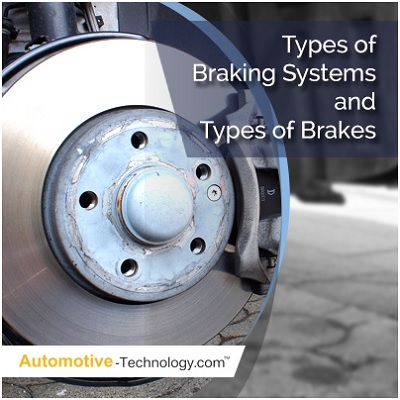
Disc brakes use a flat metal disc called a rotor. Brake pads squeeze this disc to create friction and stop the car. Drum brakes have a drum that rotates with the wheel. Inside, brake shoes push outward against the drum to slow the vehicle.
Disc brakes are exposed, allowing air to cool them quickly. Drum brakes are enclosed, which can trap heat during use.
Performance Comparison
Disc brakes provide stronger and more consistent stopping power. They work well in wet conditions because water clears off quickly. Drum brakes often fade when hot, reducing braking strength. They take longer to cool down after heavy use.
Disc brakes respond faster to pedal pressure. Drum brakes might feel less sensitive but can hold better on steep hills due to their design.
Suitability For Various Vehicles
Disc brakes are common on modern cars and high-speed vehicles. They suit vehicles needing quick, reliable stops. Drum brakes often appear on older cars and small vehicles. They are cheaper to make and maintain.
Large trucks and buses may use drum brakes on rear wheels. This is because drum brakes handle heavy loads well. Each brake type fits specific needs based on vehicle size and use.
Brake Performance Factors
Brake performance depends on several key factors. These factors affect how well brakes stop a vehicle and how long they last. Understanding them helps in choosing the right braking system and maintaining it properly.
Heat Dissipation
Brakes create heat when they slow a vehicle. This heat must escape quickly. Good heat dissipation prevents brakes from overheating. Overheated brakes lose their stopping power. Materials and design help spread heat away fast. Vented discs and cooling fins improve heat flow. Proper heat management keeps brakes reliable and safe.
Material Quality
The quality of brake parts impacts performance greatly. High-quality materials offer better grip and last longer. Brake pads and discs made from strong, durable materials resist wear. Some materials handle heat better and reduce noise. Choosing parts with proven quality ensures steady braking and fewer replacements.
Environmental Influences
Weather and road conditions affect brake function. Wet or icy roads reduce brake grip and increase stopping distance. Dust and dirt can cause brake wear and noise. Salt used on roads may cause corrosion. Regular cleaning and checks help brakes perform well. Adjusting brake use for conditions improves safety.
Credit: www.automotive-technology.com
Maintenance Tips For Braking Systems
Proper maintenance of braking systems ensures safety and smooth vehicle operation. Regular care helps avoid costly repairs and sudden failures. Knowing how to check and care for brakes extends their life and keeps driving safe.
Regular Inspection
Check brake pads and discs often. Look for wear and tear or unusual noises. Inspect brake fluid levels monthly. Low fluid can cause brake failure. Test brake response by pressing the pedal gently. It should feel firm, not spongy.
Common Issues To Watch
Listen for squealing or grinding sounds. These may indicate worn brake pads. Notice any vibrations when braking. This could mean warped discs. Watch for brake pedal sinking or sticking. It signals possible fluid leaks or air in the system.
Extending Brake Lifespan
Drive smoothly and avoid sudden stops. Hard braking wears pads faster. Keep tires properly inflated for balanced braking. Replace brake fluid every two years. Use quality parts during repairs. Clean brake components to remove dust and dirt.
Conclusion
Braking systems keep vehicles safe on the road. Different types serve different purposes and needs. Disc brakes offer strong stopping power and last longer. Drum brakes cost less and work well in smaller cars. Anti-lock braking systems prevent wheels from locking during hard stops.
Understanding these systems helps you choose the right one. Safety depends on good brakes and regular maintenance. Always check your brakes to stay safe while driving. Simple knowledge can make a big difference. Keep learning and drive carefully.