
When it comes to keeping your car running smoothly, you might not think much about filters. But did you know that the right car filters can protect your engine, improve performance, and save you money?
If you want to understand how to take better care of your vehicle, knowing the different types of car filters—especially oil filters—is a great place to start. You’ll discover what each filter does, why it matters for your car, and how choosing the right one can make a real difference.
Ready to become smarter about your car’s health? Keep reading.
Role Of Oil Filters
The oil filter plays a key role in keeping your car’s engine healthy. It cleans the oil by removing dirt and tiny particles. Clean oil means the engine parts work smoothly. This small part helps the engine last longer and perform better.
Protecting Engine Components
The oil filter stops dirt and metal bits from reaching the engine. These particles can cause wear and damage over time. By filtering the oil, it protects vital parts like pistons and bearings. This protection helps the engine run quietly and efficiently.
Maintaining Oil Cleanliness
Oil carries heat and lubricates the engine parts. The oil filter removes impurities that can harm the oil’s quality. Clean oil flows better and reduces friction inside the engine. This keeps the engine parts moving smoothly without extra wear.
Impact On Engine Longevity
A good oil filter extends the engine’s life. It prevents harmful debris from causing damage. Regular filter changes keep the oil clean and the engine safe. This simple step helps avoid costly repairs and keeps the car running longer.

Credit: tgpindia.com
Common Types Of Oil Filters
Oil filters play a key role in keeping engines clean. They stop dirt and metal bits from damaging engine parts. Different types of oil filters fit various engines and needs. Understanding these types helps you choose the right filter for your vehicle.
Spin-on Filters
Spin-on filters are the most common type. They have a metal canister with a built-in filter inside. You screw them directly onto the engine. Changing them is simple and fast. They offer good protection and are easy to find in stores.
Cartridge Filters
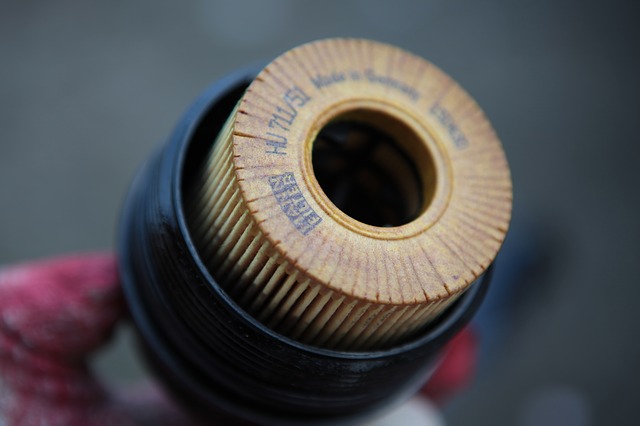
Cartridge filters are found in many newer cars. They do not have a metal case. Instead, the filter element fits inside a reusable housing. You replace only the filter element, not the whole unit. This design creates less waste and is eco-friendly.
Magnetic Filters
Magnetic filters use magnets to catch metal particles in oil. They work alongside traditional filters. These filters trap tiny metal bits that can damage engines. Magnetic filters help extend engine life by reducing wear and tear.
Material And Design Variations
The material and design of oil filters play a big role in their performance. Different materials catch dirt and particles in various ways. The design also affects how well the filter lasts and protects the engine. Understanding these differences helps in choosing the right filter for your car.
Synthetic Vs. Cellulose Media
Synthetic filter media uses man-made fibers. These fibers are strong and last longer. They trap smaller dirt particles effectively. Cellulose media comes from natural wood fibers. It is cheaper but less durable. Synthetic filters often handle heat and pressure better than cellulose ones.
Filter Efficiency Ratings
Efficiency ratings show how well a filter cleans oil. Higher ratings mean better particle removal. Filters with good ratings protect the engine from damage. Look for filters tested to remove very small dirt particles. This keeps oil cleaner and the engine running smoothly.
Bypass And Anti-drainback Valves
Bypass valves open if the filter clogs. This keeps oil flowing to the engine. Anti-drainback valves stop oil from draining out when the engine is off. This helps protect the engine during startup. Both valves improve filter function and engine safety.

Credit: www.carparts.com
Choosing The Right Oil Filter
Choosing the right oil filter is key to keeping your engine healthy. A good oil filter removes dirt, metal particles, and other impurities. This protects engine parts and helps your car run smoothly. Picking the correct filter saves time and money on repairs. It also boosts engine life and performance. Consider a few important points to make the best choice.
Compatibility With Vehicle Models
Oil filters are not one-size-fits-all. Each car model needs a specific filter type and size. Using the wrong filter may cause leaks or poor oil flow. Check your vehicle’s manual for recommended filter specs. Confirm the filter matches your engine’s design. This ensures proper fit and function. Some filters suit certain engine types better than others.
Performance Requirements
Different engines require different levels of filtration. High-performance cars need filters that handle higher pressure. Older vehicles might need filters designed for thicker oil. Consider driving conditions too. Frequent stop-and-go or dusty roads demand stronger filters. Choose a filter that meets or exceeds your engine’s needs. This keeps oil clean and engine parts protected.
Brand Reputation And Quality
Quality varies among oil filter brands. Trusted brands use better materials and testing methods. Cheap filters may fail early or allow dirt inside. Look for brands with good reviews and warranties. Reliable filters last longer and protect your engine well. Investing in quality filters reduces risks and improves vehicle reliability.
Signs Of A Failing Oil Filter
An oil filter cleans the engine oil by removing dirt and metal particles. A failing oil filter can cause many problems for your vehicle. Early signs help you avoid serious engine damage. Watch for these common symptoms to keep your engine healthy.
Decreased Engine Performance
A clogged oil filter reduces oil flow to the engine. This leads to less lubrication and more friction. The engine may run rough or lose power. Acceleration slows down, and fuel efficiency drops. These are clear signs the oil filter needs attention.
Oil Contamination Indicators
Dirty oil is a sign of a bad oil filter. The oil may look dark and thick. You might see tiny metal shavings in the oil. This means the filter is not trapping debris well. Contaminated oil damages engine parts over time.
Unusual Engine Noises
Listen for knocking or ticking sounds from the engine. These noises often occur from poor oil circulation. A failing oil filter causes oil starvation. The engine parts rub without enough oil, creating noise. Such sounds are warning signs to check the filter.
Credit: co.jbtools.com
Maintenance Tips For Oil Filters
Maintaining your oil filter is key to keeping your engine clean and running smoothly. A well-kept oil filter removes dirt and metal particles from the oil. This helps to prevent engine damage and extends the life of your car.
Regular care of the oil filter ensures your car performs at its best. It also helps avoid costly repairs in the future. Here are some important tips to follow for oil filter maintenance.
Recommended Replacement Intervals
Change the oil filter at every oil change. Most cars need this every 3,000 to 7,500 miles. Check your car manual for exact timing. Replacing the filter on time keeps oil clean and the engine safe.
Proper Installation Techniques
Before installing, lubricate the new filter’s gasket with fresh oil. Screw the filter on by hand until it fits snugly. Avoid over-tightening to prevent damage. Start the engine and check for leaks after installation.
Disposal And Environmental Considerations
Used oil filters contain harmful oil and metals. Dispose of them at a recycling center or auto shop. Do not throw filters in the trash. Proper disposal protects the environment from pollution.
Conclusion
Car filters keep your vehicle running clean and smooth. Oil filters remove dirt from engine oil. Air filters stop dust and debris from entering the engine. Fuel filters keep fuel pure and protect the engine parts. Regular filter changes help your car last longer.
They also improve fuel efficiency and reduce pollution. Understanding each filter helps you maintain your car better. Clean filters mean better performance and fewer repairs. Keep track of filter types and change them on time. Your car will thank you with reliable and smooth rides.