When you see a fire truck rushing down the street, do you ever wonder what makes it different from others? Fire trucks come in many types, each designed for a specific job in fighting fires and saving lives.
Understanding these types can give you a new appreciation for the work firefighters do. You’ll discover the unique features of various fire trucks and why each one plays a crucial role. Keep reading, and you’ll see fire trucks in a whole new light.
Fire Engine Basics
Fire engines are vital vehicles for firefighting teams. They carry water, tools, and firefighters to emergencies quickly. Understanding fire engine basics helps appreciate their role in saving lives and property.
These trucks are designed to perform specific tasks at fire scenes. Their structure and equipment serve clear purposes. Let’s explore what makes fire engines essential in firefighting.
Core Functions
Fire engines pump water onto fires to control flames. They carry hoses that deliver water from the truck or hydrants. Firefighters use these hoses to douse burning buildings or areas.
Besides water, fire engines transport crews and equipment. They provide lighting and power at night or in dark places. Rescue operations also benefit from their tools and supplies.
Key Components
The heart of a fire engine is its water pump. This pump can move thousands of gallons per minute. Large tanks hold water for use when hydrants are unavailable.
Hoses of different sizes connect to the pump for firefighting. Ladders on the truck help reach high places. Compartments store axes, breathing gear, and medical kits.
Communication devices keep teams connected during emergencies. Safety lights and sirens clear traffic for quick arrival. Every part supports firefighters in their demanding work.
Credit: www.youtube.com
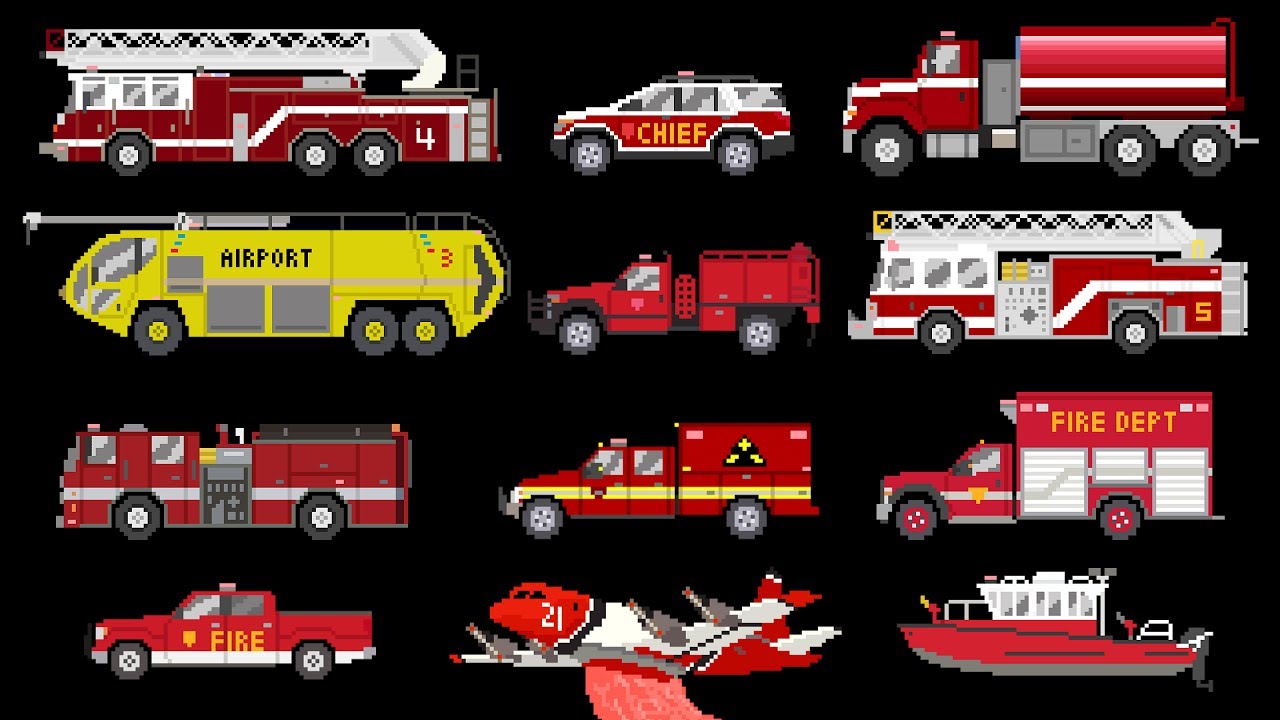
Pumpers
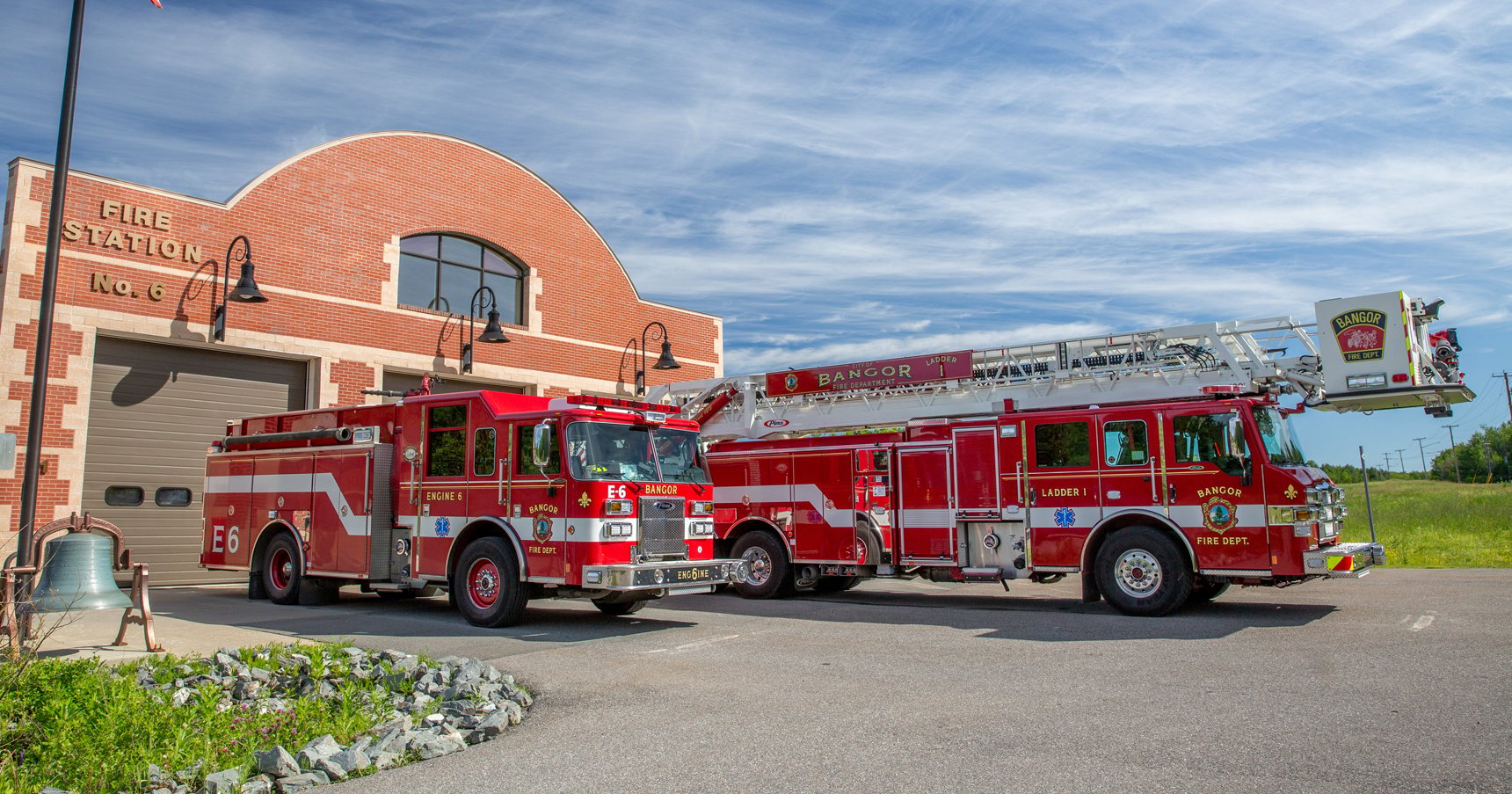
Pumpers are the backbone of firefighting fleets. These fire trucks carry water and equipment needed to fight fires. They have powerful pumps that help spray water at high pressure.
Pumpers are designed to reach fires quickly and deliver water effectively. Their versatility makes them essential at almost every fire scene.
Primary Uses
Pumpers mainly fight fires by pumping water onto flames. They carry hoses and nozzles for firefighters to use. These trucks also support rescue operations and provide water for other fire vehicles. Pumpers often serve as the first line of defense in fire emergencies.
Water Supply Features
Pumpers carry large water tanks, usually holding 500 to 1,000 gallons. They connect to fire hydrants or other water sources for a continuous supply. Powerful pumps push water through hoses at high pressure. Some pumpers also have foam systems to fight chemical fires.
Aerial Trucks
Aerial trucks play a key role in firefighting. They help firefighters reach tall buildings and rescue people. These trucks have special equipment that lifts them high above the ground. They are vital in cities with many tall structures. Their design allows quick and safe access to upper floors.
Ladders And Platforms
Aerial trucks have long ladders that extend to great heights. These ladders can reach windows and rooftops. Firefighters climb them to fight fires from above. Some trucks have platforms at the top of the ladder. These platforms hold several firefighters and their tools. They provide a stable place to work during fires. The ladders and platforms also help spray water from above. This method controls fires more effectively.
Rescue Operations
Rescue is a major job for aerial trucks. They reach people trapped in high places. Firefighters use ladders to bring people down safely. The platforms can carry injured people to safety. Aerial trucks also assist in rescuing from difficult spots. Their height and mobility make them essential for rescues. These trucks increase chances of saving lives during emergencies.
Tankers
Tankers are a vital type of fire truck. Their main job is to carry large amounts of water to fire scenes. This is very important where there is no water supply nearby. Tankers help firefighters fight fires faster and safer.
Water Storage Capacity
Tankers have big tanks that hold water. These tanks can carry from 1,000 to over 4,000 gallons. The size depends on the tanker model and purpose. More water means firefighters can work longer without refilling. This saves time and helps control fires quickly.
Rural Firefighting Role
Tankers play a key role in rural areas. Many places outside cities lack fire hydrants. Tankers bring water to these locations. They support other fire trucks by supplying a steady water flow. This teamwork helps protect homes and forests in rural zones.
Rescue Trucks
Rescue trucks play a vital role in emergency response. These trucks carry tools and gear to save people from dangerous situations. They are built to reach places other fire trucks might not. Rescue trucks support firefighters with extra help and equipment. They are essential for serious accidents and rescue missions.
Specialized Equipment
Rescue trucks hold many special tools. They carry hydraulic cutters, spreaders, and jacks. These tools help free people trapped in vehicles. They also have ropes, ladders, and airbags. Some trucks carry medical supplies for first aid. The equipment allows quick and safe rescues in tough conditions.
Emergency Scenarios
Rescue trucks respond to various emergencies. They arrive at car crashes to rescue trapped victims. They assist in building collapses and natural disasters. These trucks help in water rescues and confined spaces. Their tools and crew prepare them for many risks. Rescue trucks bring hope in critical moments.
Wildland Fire Engines
Wildland fire engines are special trucks built for fighting fires in forests and rural areas. These fire engines handle rough, uneven land where regular fire trucks cannot go. They carry water, tools, and equipment needed to stop wildfires fast.
These trucks are smaller and lighter than city fire engines. This helps them move quickly through dirt roads, hills, and narrow trails. Wildland fire engines are vital for protecting nature and homes near wild areas.
Off-road Capabilities
Wildland fire engines have strong off-road features. They use four-wheel drive to move on dirt, mud, and rocky paths. Their tires are large and tough to avoid getting stuck. The trucks have high ground clearance to go over logs and rocks easily.
These engines can climb steep slopes and cross streams. Their design keeps them stable on uneven ground. This lets firefighters reach remote spots quickly and safely.
Fire Suppression Techniques
Wildland fire engines use special ways to fight fires. They spray water directly on flames to cool and stop burning. They also use foam to cover dry plants and prevent fire spread.
Firefighters use hand tools and hoses carried on the truck to clear brush and create firebreaks. These breaks stop the fire from moving to new areas. The trucks support crews who work together to control wildfires fast and safely.
Command Vehicles
Command vehicles play a vital role at emergency scenes. They act as mobile offices for fire chiefs and incident commanders. These trucks ensure smooth communication and efficient management. Equipped with advanced technology, command vehicles help direct firefighting efforts effectively.
Communication Systems
Command vehicles come with strong communication tools. Radios, satellite phones, and data terminals connect teams on site. These systems allow instant contact with firefighters and other agencies. Clear communication helps prevent mistakes and speeds up decisions.
Coordination Functions
Command vehicles coordinate all activities during emergencies. They track resources, assign tasks, and monitor progress. Incident commanders use maps and computer systems inside the vehicle. This organization helps control the situation and protect lives.
Specialty Fire Trucks
Specialty fire trucks serve unique roles in firefighting and rescue missions. They carry equipment designed for specific emergencies. These trucks handle complex situations beyond regular fires. Their design helps firefighters save lives and protect property effectively.
Hazmat Units
Hazmat units deal with hazardous materials incidents. These trucks carry gear to contain chemical spills and toxic leaks. Firefighters use protective suits and special tools from these trucks. They keep dangerous substances from spreading. Hazmat units also monitor air quality during emergencies. They play a crucial role in public safety.
Airport Crash Trucks
Airport crash trucks respond to airplane emergencies. They have powerful water cannons and foam systems. These trucks can quickly put out fuel fires on runways. Their design allows fast movement on airport grounds. They carry extra rescue gear for trapped passengers. Airport crash trucks help save lives during airport disasters.
Choosing The Right Fire Truck
Choosing the right fire truck is key for effective firefighting and rescue. Fire trucks serve different roles. Each community must pick one that fits its needs well. The choice depends on many factors. Two important ones are community needs and budget.
Community Needs
Each community faces unique fire risks and challenges. Urban areas may need trucks with ladders to reach tall buildings. Rural areas might require trucks that carry more water for long distances. Some places need specialized trucks for rescue or hazardous materials. Knowing the type of emergencies common in the area guides the choice. The truck must match the tasks firefighters do every day.
Budget Considerations
Fire trucks are a big investment. Costs include buying, maintaining, and training staff to use the truck. Some trucks cost more because they have special equipment or features. Smaller departments may choose simpler trucks to save money. It is important to balance cost with the truck’s usefulness. Spending wisely ensures funds for other important needs, like gear and training.
Credit: www.piercemfg.com

Credit: www.bmefire.com
Conclusion
Fire trucks come in many types, each with a special job. They help firefighters fight fires, rescue people, and carry important tools. Knowing about these trucks shows how much effort goes into keeping us safe. Every type plays a part in emergency work.
Fire trucks are strong, fast, and ready to help at any time. Understanding their roles helps us respect the work firefighters do every day. Safety depends on these vehicles and the teams who drive them. Fire trucks are truly heroes on wheels.