
Are you curious about hybrid vehicles but unsure where to start? Understanding the different types of hybrid cars can help you make smarter choices for your next ride.
Whether you want to save money on fuel, reduce your carbon footprint, or enjoy the latest technology, knowing how these vehicles work is key. You’ll discover the main types of hybrid vehicles and how each one could fit your lifestyle perfectly.
Keep reading to find out which hybrid might be the best match for you.
Hybrid Vehicle Basics
Hybrid vehicles combine two types of power sources to move the car. They use both a gasoline engine and an electric motor. This mix helps save fuel and reduce pollution. Many drivers choose hybrids for their balance of power and efficiency.
How Hybrid Cars Work
Hybrid cars switch between gasoline and electric power. At low speeds, the electric motor runs the car quietly. When more power is needed, the gasoline engine starts. The car’s computer decides the best power source to use. Braking also helps recharge the battery.
Benefits Of Hybrid Vehicles
Hybrids use less fuel than regular cars. This lowers fuel costs and saves money. They also produce fewer emissions, which helps the environment. Many hybrids have tax benefits or special parking perks. Quiet driving and smooth rides add to the comfort.
Mild Hybrids
Mild hybrids are a type of hybrid vehicle that combines a traditional engine with a small electric motor. This system helps the engine use less fuel and produce fewer emissions. Mild hybrids cannot run on electric power alone. Instead, the electric motor supports the engine during acceleration and recovers energy during braking.
This technology offers a simple and affordable way to improve fuel economy. Mild hybrids also provide a smoother driving experience by reducing engine load. They are a popular choice for everyday drivers who want better efficiency without changing their driving habits.
Key Features
Mild hybrids use a small electric motor linked to the engine. The motor assists during acceleration and helps restart the engine after stopping. A battery stores energy captured from braking. These cars do not drive on electric power alone. The system is lightweight and less complex than full hybrids. This keeps the price lower and maintenance easier.
Fuel Efficiency
Mild hybrids save fuel by reducing the engine’s work. The electric motor helps during starts and stops. Energy recovery improves overall efficiency. Fuel savings vary depending on driving style and conditions. City driving often shows better fuel gains. These vehicles emit fewer pollutants than regular cars. This makes them eco-friendlier without big changes.
Popular Models
Many car makers produce mild hybrid models. The Honda Insight uses a mild hybrid system. The Ford Escape offers a mild hybrid option. Toyota includes mild hybrid versions in some models. Audi and Mercedes-Benz also offer mild hybrids. These cars appeal to buyers wanting better fuel economy. Mild hybrids remain a growing segment in the market.
Full Hybrids
Full hybrids blend gasoline engines with electric motors to save fuel. They can run on just the engine, just the motor, or both at once. This flexibility helps cut emissions and boosts fuel economy in city and highway driving.
These vehicles switch smoothly between power sources. They recharge their batteries through braking and engine power. No need to plug in.
Powertrain Details
Full hybrids use a complex system with two power sources. A gasoline engine works together with one or more electric motors. A battery stores energy for the electric motor.
The car’s computer decides the best way to use power. It can run on electricity alone at low speeds. The gasoline engine takes over at higher speeds or when extra power is needed.
Performance Advantages
Full hybrids offer strong fuel savings. They reduce gas use especially in stop-and-go traffic. Electric motor power improves acceleration from a stop.
Regenerative braking captures energy while slowing down. This energy recharges the battery without wasting fuel. The system also lowers harmful emissions.
Top Full Hybrid Cars
Popular full hybrid models include the Toyota Prius, Honda Accord Hybrid, and Ford Escape Hybrid. These cars balance fuel efficiency with reliable performance. Each offers a smooth ride and advanced safety features.
They fit well for daily commuting and longer trips. Their versatility makes them a smart choice for many drivers.

Credit: green.org
Plug-in Hybrids
Plug-in hybrids combine a gasoline engine with a larger battery and electric motor. They can run on electric power alone for short distances. After the electric range ends, the gasoline engine powers the car. This makes them flexible and fuel-efficient for daily driving.
Charging Options
Plug-in hybrids charge through regular electric outlets or special chargers. A standard home outlet takes longer to charge the battery. Faster charging happens with dedicated Level 2 chargers. Some models can charge at public charging stations too. Charging time varies from two to eight hours.
Electric Range
Electric range depends on the battery size and car model. Most plug-in hybrids offer 20 to 50 miles of electric-only driving. This range covers many short trips without using gasoline. Once the battery is low, the gasoline engine starts automatically. This helps avoid range anxiety on longer drives.
Leading Plug-in Models
Popular plug-in hybrids include the Toyota Prius Prime and Ford Escape PHEV. The Chevrolet Volt is known for its strong electric range. The Mitsubishi Outlander PHEV is favored for its SUV size and electric driving. These models balance electric driving with gasoline backup for convenience.
Range-extended Electric Vehicles
Range-Extended Electric Vehicles (REEVs) combine electric driving with a backup fuel engine. They run mostly on electricity but use the engine to extend driving range. This setup reduces range anxiety and keeps emissions low. REEVs offer a practical choice for those wanting electric benefits and longer trips.
How They Differ
REEVs differ from regular hybrids by focusing on electric driving first. The gas engine does not drive the wheels directly. Instead, it generates electricity to recharge the battery. This means the electric motor handles the main propulsion. The engine only helps when the battery runs low.
Battery And Engine Setup
REEVs have larger batteries than typical hybrids. This supports more electric-only miles. The engine is smaller and designed to act as a generator. It switches on automatically to produce electricity. The system prioritizes electric power to save fuel and reduce emissions.
Notable Range-extended Vehicles
Some well-known REEVs include the BMW i3 with Range Extender and the Chevrolet Volt. These models offer electric driving with engine backup. They provide quiet rides and fewer fuel stops. Their design appeals to drivers seeking a smooth transition to electric mobility.
Hybrid Suvs And Trucks
Hybrid SUVs and trucks blend power with better fuel efficiency. These vehicles offer space, strength, and lower emissions. They suit families and work needs, giving more miles per gallon.
Many drivers want utility without heavy fuel costs. Hybrid SUVs and trucks meet this demand. They use electric motors alongside gasoline engines. This mix reduces fuel use and pollution.
Eco-friendly Utility
Hybrid SUVs and trucks provide strong towing and hauling. They handle rough roads and city streets well. Their electric parts reduce harmful gases. This helps keep air cleaner.
Owners save money on gas and maintenance. The electric system supports the engine, using less fuel. These vehicles balance power with eco-friendliness.
Popular Hybrid Suvs
Several hybrid SUVs stand out for reliability and efficiency. Models like the Toyota RAV4 Hybrid and Ford Escape Hybrid are common. They offer roomy cabins and good mileage. These vehicles suit daily drives and weekend trips.
Many come with modern tech for safety and comfort. Buyers enjoy a smooth, quiet ride with fewer stops at the pump.
Hybrid Truck Innovations
Hybrid trucks combine traditional strength with new technology. Electric motors assist the engine during starts and stops. This reduces fuel use, especially in city driving.
Some trucks feature regenerative braking to recharge batteries. Others offer plug-in hybrid options for longer electric-only drives. These advances improve performance and lower emissions.
Future Trends In Hybrid Technology
Hybrid vehicles continue to grow in popularity. This is due to their ability to reduce fuel use and lower emissions. The future of hybrid technology looks bright with many new developments. These advances will make hybrids smarter, cleaner, and more efficient.
Advancements In Batteries
Battery technology is improving rapidly. New batteries hold more energy and charge faster. They also last longer and weigh less. This means hybrids can drive farther on electric power. Safer and cheaper batteries are also in development. These changes will help hybrids become more affordable and practical.
Integration With Renewable Energy
Hybrid cars will soon work better with renewable energy sources. Owners may charge their cars using solar or wind power. This reduces the use of fossil fuels even more. Smart charging systems can choose the best time to charge. This helps save money and energy. The link between hybrids and green energy will strengthen.
Upcoming Models To Watch
Many car makers plan to release new hybrid models. These cars will have improved performance and style. Some will offer longer electric-only ranges. Others will include better technology inside the cabin. Watch for hybrids that blend comfort, power, and efficiency. These new models will attract many drivers.
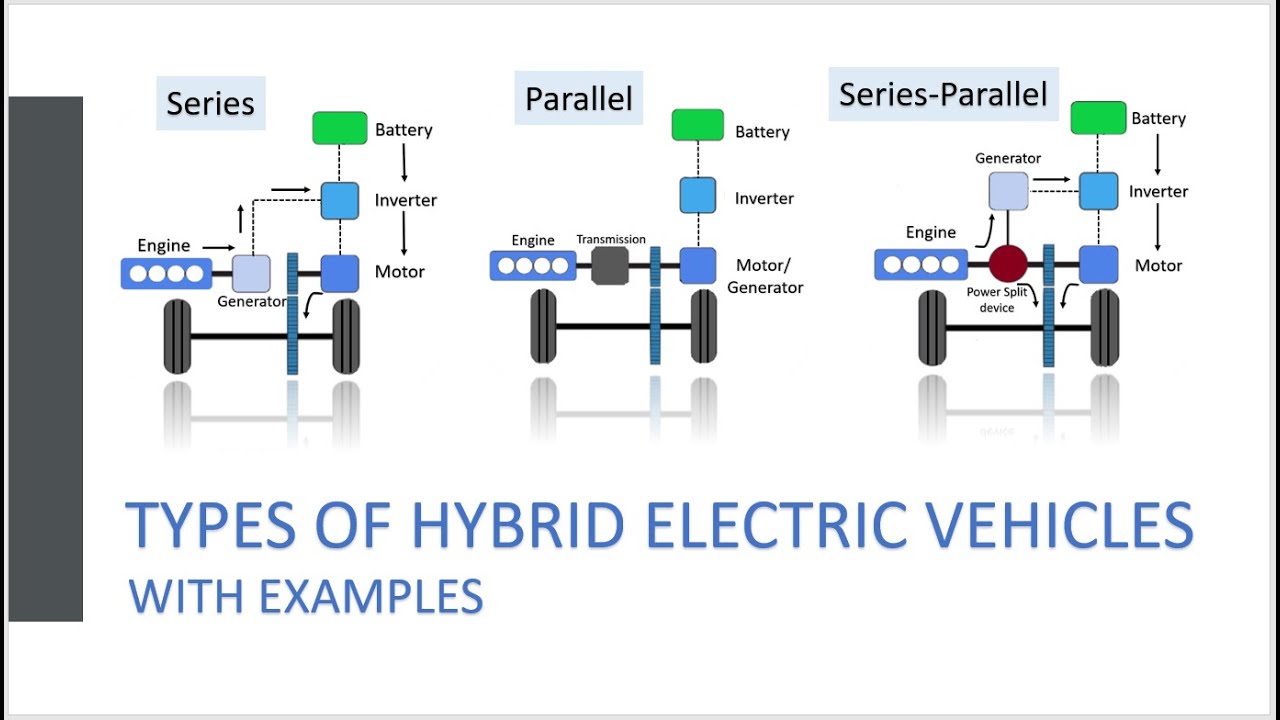
Credit: www.youtube.com

Credit: aargoev.com
Conclusion
Hybrid vehicles come in many types, each with unique benefits. They help save fuel and lower pollution. Choosing the right hybrid depends on your needs and driving habits. These cars offer a balance between gas and electric power. They are a smart choice for a cleaner future.
Understanding these types makes it easier to pick the best one. Driving a hybrid helps protect the environment and saves money. It’s a step toward better roads and air quality. Hybrid vehicles keep improving and becoming more popular every year.