
Are you ready to take your driving skills beyond the pavement? Off-road driving opens up a whole new world of adventure, challenge, and fun.
But did you know there are different types of off-road driving, each with its own unique thrill and techniques? Understanding these types can help you choose the right path, gear up properly, and get the most out of your experience.
Keep reading to discover the exciting varieties of off-road driving waiting for you. Your next adventure is just a few clicks away!
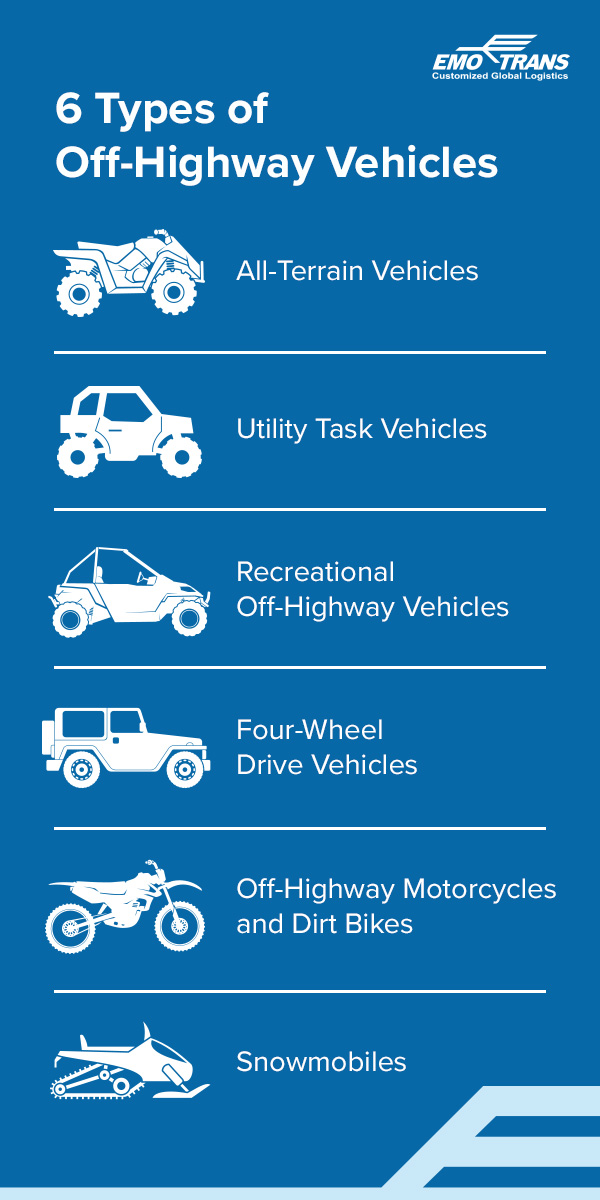
Credit: www.emotrans-global.com
Trail Riding
Trail riding is a popular type of off-road driving. It offers a chance to explore nature and enjoy the outdoors. Drivers follow marked paths or unpaved routes. Trails vary in difficulty and scenery. This makes trail riding suitable for many skill levels and vehicle types.
Light Off-road Trails
Light off-road trails are easy and safe for beginners. These trails have smooth surfaces and gentle slopes. They often run through forests or open fields. Vehicles like SUVs or trucks handle these trails well. They provide a great introduction to off-road driving.
Moderate Terrain Challenges
Moderate terrain trails test driving skills more. Drivers face uneven ground, rocks, and mud. These trails need careful handling and some experience. Vehicles require better tires and suspension. This terrain offers fun and excitement for confident drivers.
Popular Trail Locations
Many places worldwide attract trail riders. National parks and forests often have marked trails. Famous spots include Moab in Utah and the Appalachian Mountains. These locations offer diverse landscapes and trail difficulties. Trail riders enjoy exploring these well-known routes.
Rock Crawling
Rock crawling is a thrilling type of off-road driving. It challenges drivers to move slowly over large rocks and rough terrain. The goal is to navigate tough obstacles without damaging the vehicle. Patience and precision are key for success in rock crawling.
This activity tests both driver skill and vehicle capability. It requires special equipment and careful planning. Drivers must understand the best ways to approach each rock or ledge.
Essential Equipment
Rock crawling needs strong tires with deep treads. Low-pressure tires help grip the rocks better. A sturdy suspension system improves vehicle control on uneven ground. Skid plates protect the undercarriage from sharp rocks. A winch is useful for pulling the vehicle out of tight spots. Locked differentials provide better traction on slippery surfaces.
Techniques For Success
Drive slowly and keep steady control of the steering wheel. Use low gear to increase torque and reduce wheel spin. Choose the best path by spotting stable rocks to climb over. Keep both hands on the wheel for better balance. Avoid sudden movements that can upset the vehicle’s balance. Use a spotter to guide you through tricky sections.
Safety Tips
Always wear a seatbelt during rock crawling. Check your vehicle before each trip for loose parts or damage. Bring communication devices in case of emergencies. Never crawl alone; travel with a buddy or group. Know your limits and do not take unnecessary risks. Stay calm and focused to avoid accidents.
Mud Bogging
Mud bogging is a thrilling off-road sport. Drivers try to pass through deep, sticky mud pits. The goal is to reach the other side without getting stuck. It tests vehicle power and driver skill. This type of driving is popular in many countries. It offers excitement and challenge for off-road fans.
Best Vehicles For Mud
Strong engines and large tires are key. Trucks and SUVs with four-wheel drive work best. Mud tires with deep treads help grip the slippery surface. Lifted suspensions improve clearance over mud. Lightweight vehicles may struggle to move through thick mud. Many drivers modify their trucks for better mud performance.
Mud Track Varieties
Mud tracks vary in length and depth. Some are short and shallow, suitable for beginners. Others are long and very deep, challenging even experts. Tracks may have soft mud, thick clay, or mixed textures. Sharp turns and slopes add difficulty. Each track tests different driving skills.
Handling Deep Mud
Keep a steady speed to avoid getting stuck. Sudden stops can cause wheels to sink. Use low gear for better control and power. Avoid spinning tires, which dig deeper holes. Steering smoothly helps maintain traction. Drivers must stay calm and react quickly.
Credit: www.onxmaps.com
Dune Bashing
Dune bashing is an exciting form of off-road driving on sandy hills and deserts. It involves driving at varying speeds over sand dunes, creating a thrilling and bumpy ride. This activity tests the driver’s skill and the vehicle’s ability to handle soft, shifting sand. Dune bashing offers fun and adventure for those who love the outdoors and enjoy a challenge.
Ideal Vehicles
Vehicles with four-wheel drive are best for dune bashing. SUVs and trucks with high ground clearance handle sand better. Tires with wide treads help prevent sinking into the sand. Powerful engines provide the strength needed to climb steep dunes. Lightweight vehicles also perform well on soft sand surfaces.
Navigating Sand Dunes
Driving on sand requires slow and steady movements. Sudden turns or stops can cause the vehicle to get stuck. It is important to keep momentum while climbing dunes. Drivers must avoid sharp edges and deep holes in the sand. Lowering tire pressure increases surface area and improves traction.
Top Dune Destinations
The Sahara Desert offers vast dunes for dune bashing adventures. Dubai’s deserts are popular for organized dune bashing tours. The Mojave Desert in the USA has many sandy areas for off-road driving. Namibia’s sand dunes provide stunning views and challenging terrain. Each location offers unique experiences for dune bashing enthusiasts.
Overlanding
Overlanding is a type of off-road driving that combines travel and adventure. It involves driving long distances over rough terrain. The goal is to explore remote places while carrying all necessary supplies. Overlanding trips can last days, weeks, or even months. It requires careful preparation and a sense of adventure.
Planning Long Trips
Planning is key for successful overlanding. Choose routes that match your vehicle’s ability. Research weather and road conditions. Plan stops for fuel and supplies. Prepare for emergencies with backup plans. Know local rules and permits needed. Map out camping spots and water sources.
Essential Gear
Bring gear that supports long journeys. A strong vehicle with off-road tires is important. Carry extra fuel and water. Pack tools for repairs and maintenance. Include navigation devices like GPS and maps. Bring first aid supplies for safety. Store food that lasts without refrigeration.
Camping Techniques
Camping during overlanding means being self-sufficient. Set up camp quickly and safely. Choose flat, dry ground away from hazards. Use tents or rooftop tents for shelter. Keep food secure from animals. Practice Leave No Trace principles to protect nature. Manage waste carefully to keep camps clean.
Desert Racing
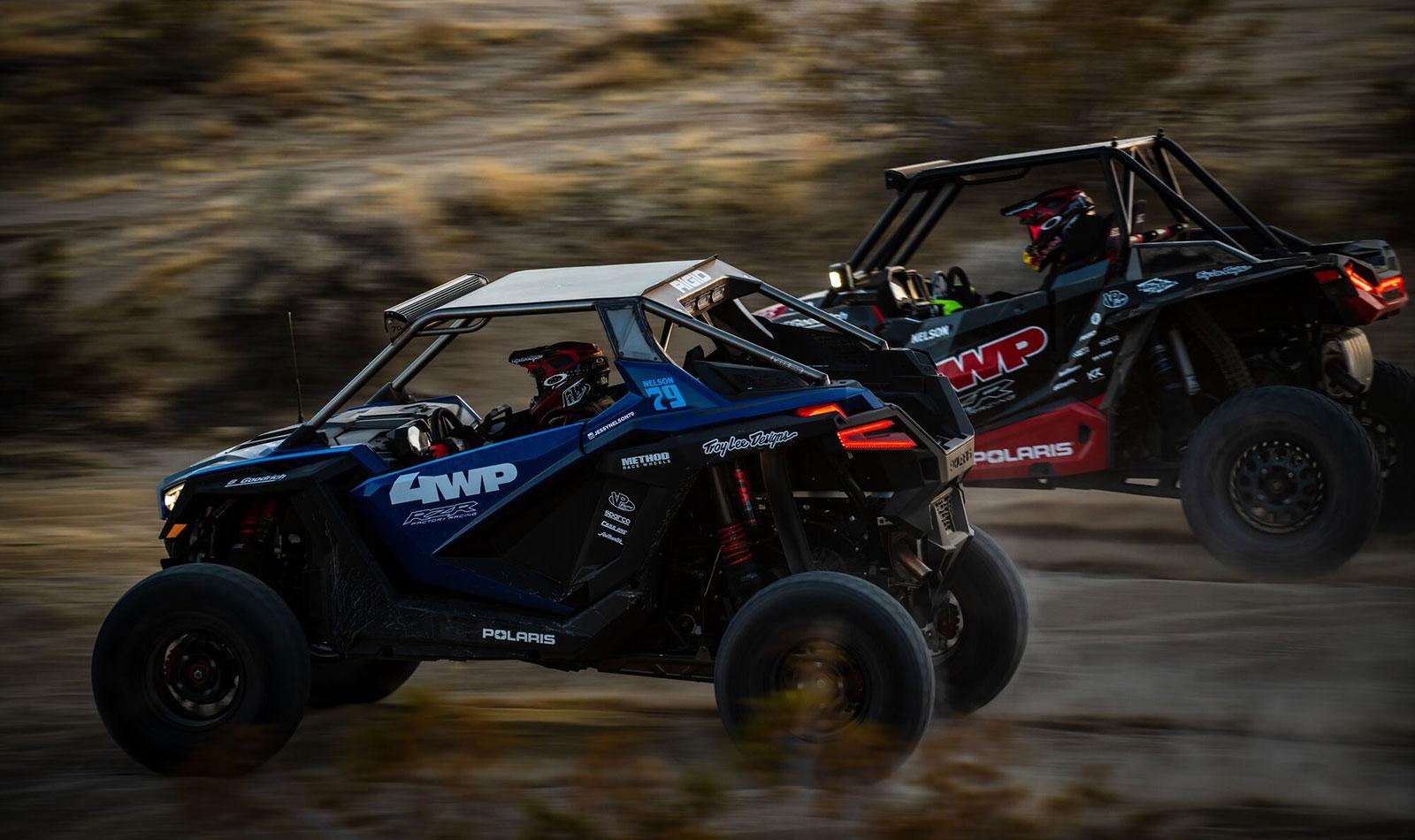
Desert racing is an exciting type of off-road driving. It takes place on sandy, rocky, and rough desert terrain. Drivers race over long distances, facing heat, dust, and tough landscapes. This sport tests both skill and endurance.
Vehicles and drivers must be ready for harsh desert conditions. The races are fast and challenging. They attract many fans and participants worldwide.
Race Formats
Desert races vary in length and style. Some are short sprints, while others cover hundreds of miles. There are point-to-point races, where drivers go from one location to another. Loop races start and end in the same place. Time trials measure how fast each driver completes a course. Each format demands different strategies and skills.
Vehicle Modifications
Desert racing vehicles need special changes. Strong suspension systems help absorb rough terrain shocks. Tires are wider and thicker for better grip on sand. Engines get extra cooling to handle high temperatures. Roll cages protect drivers in case of accidents. Light bars improve visibility during night racing.
Famous Desert Races
The Baja 1000 is one of the most famous desert races. It runs through Mexico’s Baja California Peninsula. The Dakar Rally is a tough race across desert landscapes in various countries. The Mint 400 takes place in Nevada, USA. Each race has its own history and attracts top drivers from around the world.
Snow Off-roading
Snow off-roading offers a unique thrill for adventure lovers. Driving through snowy trails tests both skill and vehicle readiness. Snow and ice create slippery, challenging conditions. This type of off-roading demands special care and preparation.
Winter Vehicle Prep
Start by checking your tires. Use snow tires or chains for better grip. Keep your fuel tank full to avoid freezing. Check antifreeze levels and battery health. Make sure windshield wipers and defrosters work well. Carry extra blankets and emergency supplies inside the vehicle.
Driving On Snow And Ice
Drive slowly and smoothly to avoid skidding. Use low gears for better control on steep slopes. Avoid sudden braking or sharp turns. Keep a safe distance from other vehicles. Use gentle acceleration to maintain traction. Watch for hidden ice patches under the snow.
Safety Precautions
Always inform someone about your route and expected return. Carry a shovel and traction mats for emergencies. Have a fully charged phone and a portable charger. Wear warm clothes and keep extra food and water. Never drive alone in remote snowy areas. Stay calm and patient if you get stuck.

Credit: www.specialtyperformanceparts.com
Swamp Driving
Swamp driving is a unique and challenging type of off-road driving. It involves moving through wet, muddy, and often unpredictable terrain. Drivers must prepare well and understand the environment to avoid getting stuck or causing damage.
Vehicle Requirements
Vehicles need special features for swamp driving. High ground clearance helps avoid deep mud. Large, wide tires improve traction on soft soil. A powerful engine is essential for pushing through tough spots. Waterproofing parts protects the vehicle from water damage. A winch can help if the vehicle gets stuck. Proper maintenance before and after the drive is crucial.
Navigating Wetlands
Careful navigation is key in wetlands. Drivers must read the terrain and avoid deep water holes. Slow and steady speed prevents slipping and sinking. Using a spotter can help find the safest path. Staying on natural paths reduces the risk of getting trapped. Awareness of changing conditions improves safety. Avoid sharp turns to maintain control.
Environmental Considerations
Swamps are delicate ecosystems. Driving carelessly can harm plants and animals. Stick to established trails to protect the environment. Avoid disturbing nesting or breeding areas. Clean your vehicle to prevent spreading invasive species. Respect local rules and protected areas. Responsible driving helps preserve swamps for the future.
Conclusion
Off-road driving offers many exciting ways to explore nature. Each type challenges your skills and vehicle differently. Choose the style that fits your adventure and comfort. Always prepare well and respect the environment around you. Enjoy the thrill of driving off the beaten path.
Stay safe, have fun, and keep learning new techniques. Off-road driving can bring great memories and new friends. Try different terrains to find what you love most. Adventure waits just beyond the paved roads.