When it comes to keeping machines running smoothly, timing belts play a crucial role. But did you know there are different types of timing belts, each designed for specific tasks?
Choosing the right one can save you time, money, and a lot of frustration. You’ll discover the main types of timing belts and how they work. Understanding these can help you make smarter decisions for your projects or repairs. Ready to find out which timing belt fits your needs perfectly?
Let’s dive in!
Timing Belt Basics
Timing belts play a key role in many machines and engines. They keep parts moving in sync. Understanding timing belt basics helps you know how machines work. This section covers what timing belts are and how they function.
What Is A Timing Belt?
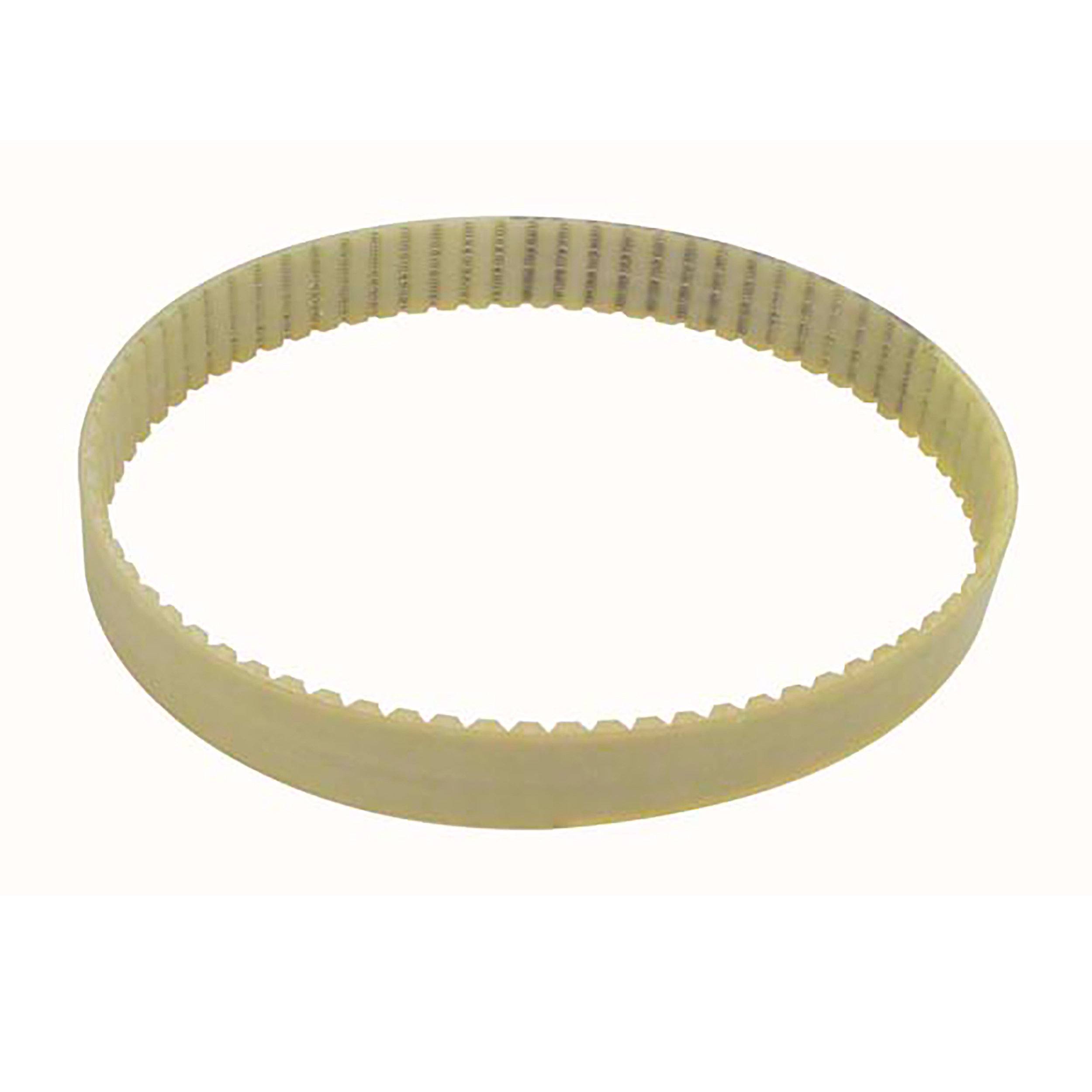
A timing belt is a rubber belt with teeth on its inner side. These teeth fit into grooves on gears or pulleys. This design prevents slipping and keeps parts aligned. Timing belts are common in car engines and machines. They connect the crankshaft and camshaft to control engine valves.
How Timing Belts Work
The teeth on the timing belt fit tightly into gears. This keeps the belt from sliding off or skipping. As the engine runs, the belt turns the camshaft and crankshaft together. This timing controls when valves open and close. Proper timing is important for engine power and efficiency. If the belt breaks, the engine can stop or get damaged.

Credit: binlongbelt.en.made-in-china.com
Common Timing Belt Types
Timing belts are essential parts of many machines. They keep engines and other systems working smoothly. Different types of timing belts suit different tasks. Each type has unique features that affect its use and performance.
Choosing the right timing belt helps machines run better and last longer. Knowing common timing belt types is useful for repair and maintenance work.
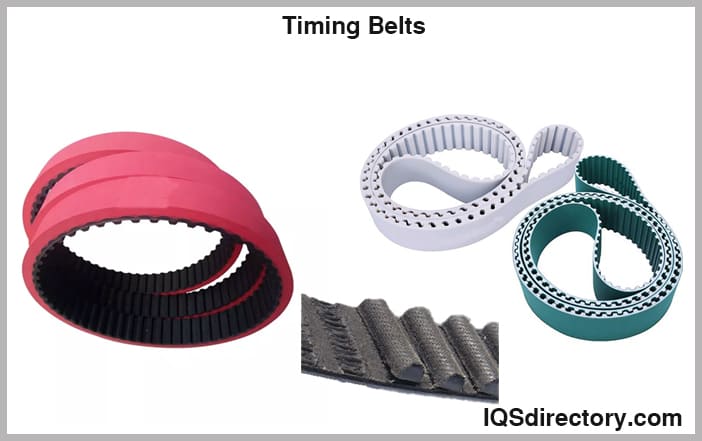
Rubber Timing Belts
Rubber timing belts are popular and widely used. They are flexible and offer good grip. These belts work well in moderate heat and pressure. Rubber timing belts often have fiber cords inside for strength. They suit many automotive and industrial applications. Their cost is usually lower than other types.
Polyurethane Timing Belts
Polyurethane timing belts resist wear and chemicals better than rubber. They handle heat and oil without losing strength. These belts have strong cords made of steel or Kevlar. Polyurethane belts are precise and last longer in tough conditions. They are perfect for high-performance and clean environments.
Neoprene Timing Belts
Neoprene timing belts offer good resistance to heat, oil, and chemicals. They are durable and maintain flexibility over time. These belts perform well in harsh environments. Neoprene belts often include nylon fabric for extra wear resistance. They are suitable for heavy-duty machines and engines.
Specialized Timing Belts
Specialized timing belts serve unique purposes in machines. They fit specific needs that regular belts cannot handle. These belts are built with strong materials to increase durability and performance. They help machines work smoothly under tough conditions. Below are some common types of specialized timing belts.
Steel-reinforced Belts
Steel-reinforced belts have metal wires inside. These wires make the belt very strong and resistant to stretching. They work well in heavy machines that need precise timing. The metal core helps the belt last longer. It also keeps the belt from slipping during use.
Fiberglass-reinforced Belts
Fiberglass-reinforced belts use fiberglass cords for strength. These cords are lightweight but very tough. They resist heat and chemicals better than some other belts. These belts suit machines that run fast or in hot places. Fiberglass cords help keep the belt stable and reliable.
Kevlar-reinforced Belts
Kevlar-reinforced belts have fibers from Kevlar material inside. Kevlar is known for high strength and heat resistance. These belts handle extreme stress without breaking. They are perfect for machines with heavy loads or high speed. Kevlar helps prevent belt wear and extends its life.
Choosing The Right Timing Belt
Choosing the right timing belt is important for machine performance and durability. The belt must fit the machine’s needs. Picking the wrong belt can cause breakdowns and waste money. Several factors guide this choice, such as material, load, speed, and environment.
Each factor affects how well the belt works. Understanding these points helps select the best belt. This section explains key factors to consider before buying a timing belt.
Material Considerations
Timing belts come in different materials like rubber, polyurethane, and neoprene. Rubber belts are common and cost-effective. Polyurethane belts resist chemicals and last longer. Neoprene belts handle heat and oil well. The material affects belt strength and flexibility. Choose a material that suits your machine’s needs.
Load And Speed Requirements
Check the load the belt must carry. Heavy loads need stronger belts. Speed is also key. Fast machines need belts that can handle high speed without slipping. The belt must match both load and speed for smooth operation. Wrong choices lead to wear and failure.
Environmental Factors
Consider the environment where the belt runs. High temperatures need heat-resistant belts. Wet or oily places need belts that resist water and oil. Dusty environments require belts that resist dirt. The right belt material and design protect against environmental damage.
Maintenance And Longevity
Timing belts are vital for many machines and vehicles. Proper care keeps them working longer and prevents breakdowns. Regular checks and good maintenance improve performance and save money. Understanding signs of wear, replacement times, and correct installation helps extend belt life.
Signs Of Wear
Look for cracks on the belt surface. Check for fraying edges or missing teeth. Listen for unusual noises during operation. A slipping or jerking motion may show belt problems. Early detection prevents machine damage and costly repairs.
Replacement Intervals
Follow the manufacturer’s recommended replacement schedule. Most timing belts last between 60,000 and 100,000 miles. Replace belts sooner if signs of wear appear. Regular replacement avoids sudden failures and engine damage.
Proper Installation Tips
Clean the pulleys before fitting a new belt. Align the belt correctly to avoid uneven wear. Use the right tension to prevent slipping or stretching. Avoid twisting the belt during installation. Proper setup ensures smooth, long-lasting operation.
Credit: www.iqsdirectory.com
Credit: shop.hpceurope.com
Conclusion
Timing belts come in many types, each with a special job. Choosing the right belt helps machines run smooth and last long. Understanding these types saves time and money in repairs. Always check the belt’s material, shape, and teeth design.
This knowledge helps pick the best fit for your needs. Keep belts clean and replace them when worn out. Good care means better performance and fewer problems. Timing belts keep many machines working every day. Knowing about them makes maintenance easier and smarter.
Simple steps lead to big benefits.