When you think about running a farm, you probably imagine a lot of hard work and long hours. But did you know that the right farm vehicles can make your job much easier and faster?
Whether you’re planting crops, hauling equipment, or managing livestock, each type of vehicle has a special role to play. Knowing which one suits your needs can save you time, effort, and money. You’ll discover the main types of farm vehicles and how they can help you work smarter, not harder.
Keep reading to find out which vehicles could transform your farm today!
Credit: stock.adobe.com
Tractors
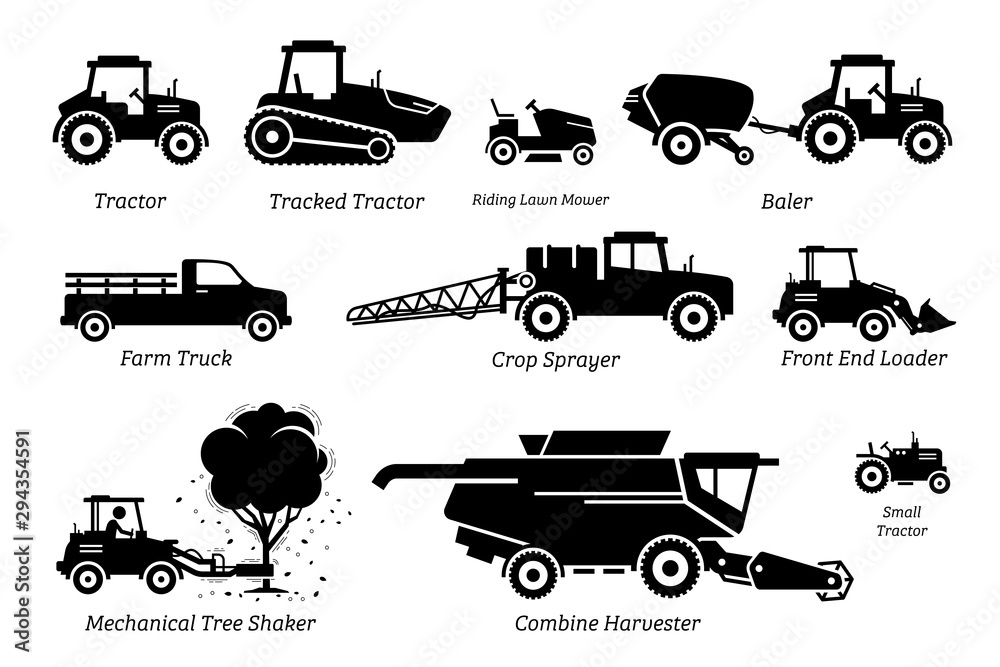
Tractors are the backbone of modern farming. They help farmers with many jobs quickly and with less effort. Different types of tractors suit different farm needs. Each type offers unique features for specific tasks.
Utility Tractors
Utility tractors are versatile machines. They work well on small to medium farms. These tractors handle tasks like plowing, hauling, and mowing. They provide moderate power and good maneuverability. Farmers use them for daily chores and light fieldwork.
Row Crop Tractors
Row crop tractors are designed for planting and cultivating. They have adjustable wheels to fit different row widths. These tractors offer high clearance to protect crops. Farmers prefer them for working in fields with row crops. They help with planting, spraying, and harvesting.
Orchard Tractors
Orchard tractors are built to work in tight spaces. Their low profile allows easy movement under tree branches. These tractors minimize damage to fruit trees and plants. They are useful for spraying, mowing, and hauling in orchards. Farmers choose them for their agility and safety around crops.

Credit: www.youtube.com
Harvesters
Harvesters are essential machines on any farm. They help farmers collect crops quickly and efficiently. These vehicles reduce the time and effort needed during harvest season. Different harvesters serve different crops and tasks. Understanding their types helps farmers choose the right equipment for their needs.
Combine Harvesters
Combine harvesters cut, thresh, and clean grain in one process. They are mainly used for wheat, barley, and oats. This machine saves time by doing multiple jobs at once. Farmers can harvest large fields faster with combine harvesters. They also reduce crop loss during harvesting.
Forage Harvesters
Forage harvesters chop plants like corn and grass for animal feed. They cut crops into small pieces to make silage. Silage is stored and fermented feed for livestock. This machine helps farmers provide quality food for their animals. It works well for farms with cattle or dairy animals.
Cotton Pickers
Cotton pickers remove cotton fibers from plants. They speed up cotton harvesting and reduce labor costs. These machines pick cotton gently to avoid damaging the fibers. Cotton pickers work best in large cotton farms. They help farmers gather cotton quickly during the short harvest season.
Plowing Equipment
Plowing equipment is essential for preparing soil before planting crops. These tools turn over the soil, making it loose and ready for seeds. Good plowing improves soil aeration and helps control weeds. Farmers use different types of plows depending on soil type and farming needs.
Moldboard Plows
Moldboard plows are traditional tools with curved blades. They cut deep into the soil and flip it over completely. This process buries old plants and weeds under the soil. Moldboard plows work best in firm, dry soil. They create a smooth seedbed for planting.
Disc Plows
Disc plows have round, sharp discs that slice through soil. They work well in hard or rocky land. The discs cut and turn the soil in strips. Disc plows are good for rough or uneven fields. They handle tough soil better than moldboard plows.
Chisel Plows
Chisel plows loosen soil without turning it fully. They have long, strong shanks that dig deep. These plows keep the topsoil intact while aerating the ground. Chisel plows help reduce soil erosion. They are ideal for dry and compacted soils.
Planting Machinery
Planting machinery plays a key role in farming. It helps farmers place seeds in the soil accurately. This saves time and increases crop yield. Different machines suit different types of planting tasks. Understanding these tools helps improve farming efficiency.
Seed Drills
Seed drills plant seeds evenly in rows. They dig small holes, drop seeds, and cover them with soil. This protects seeds from birds and wind. Seed drills ensure seeds grow at the right depth. This leads to better germination and stronger plants.
Planters
Planters place seeds one by one at set distances. They work well for large seeds like corn or beans. Planters create uniform spacing for each seed. This helps plants get enough sunlight and nutrients. Using planters reduces seed waste and improves crop quality.
Transplanters
Transplanters move young plants from trays to the field. They handle seedlings gently to avoid damage. Transplanters save farmers time and effort in planting. They allow faster crop growth by planting strong seedlings. This machine is useful for vegetables and flowers.
Irrigation Vehicles
Irrigation vehicles help farmers water their crops efficiently. They save time and use water wisely. These vehicles come in different types, each suited for certain irrigation methods. Understanding them helps farmers choose the right equipment for their fields.
Sprinkler Systems
Sprinkler systems spread water like rain over crops. They can be mounted on vehicles or fixed frames. These systems cover large areas quickly. They are easy to move and adjust. Sprinklers reduce water waste by targeting crops directly.
Drip Irrigation Units
Drip irrigation units deliver water slowly to plant roots. They use tubes with small holes for precise watering. These units attach to vehicles for easy movement. Drip systems save water and keep soil healthy. They work well in dry areas and for delicate plants.
Center Pivot Irrigators
Center pivot irrigators rotate around a central point, watering crops in circles. These large vehicles cover wide fields efficiently. They move slowly, ensuring even water distribution. Center pivots use less labor and reduce water use. They are common on large farms with flat land.
Transport Vehicles
Transport vehicles play a key role on farms. They help move goods, tools, and workers efficiently. Without these vehicles, daily farm tasks would take much longer. Different types serve different purposes. Each vehicle offers unique benefits for farm operations.
Farm Trailers
Farm trailers attach to tractors or trucks. They carry heavy loads like crops, hay, or equipment. Trailers come in many sizes and designs. Some have flatbeds, others have sides or covers. They make transporting bulky items easier and faster. Strong trailers reduce the need for multiple trips.
Utility Vehicles
Utility vehicles are small but powerful. They move around the farm quickly. These vehicles carry tools, supplies, and people. They often have cargo beds for extra storage. Utility vehicles handle rough terrain well. They save time on short trips across fields.
Atvs
All-terrain vehicles (ATVs) are versatile and fast. They navigate tight spaces and rough ground easily. ATVs help check fences, move small loads, or herd animals. Their size allows access to places larger vehicles cannot reach. They improve farm mobility and response speed.
Soil Preparation Tools
Soil preparation is vital for healthy crops and good harvests. Farmers use special vehicles and tools to prepare the soil. These tools break up the ground, remove weeds, and mix nutrients into the earth. Proper soil preparation helps seeds grow better and plants become stronger.
Rotavators
Rotavators are machines with rotating blades. They turn the soil and break it into small pieces. This tool mixes plant residue and fertilizer evenly into the soil. Rotavators save time and make soil soft for planting. They work well on hard or dry soil.
Harrows
Harrows have many sharp teeth or discs. They smooth the soil surface after plowing. Harrows remove weeds and break soil clumps. This tool helps create a fine seedbed for planting. It also improves water absorption and air flow in the soil.
Cultivators
Cultivators are used to stir and loosen soil. They work between growing plants to control weeds. Cultivators also help mix fertilizer into the soil. This tool improves soil aeration and water movement. Farmers use cultivators for both soil care and weed control.
Livestock Equipment
Livestock equipment plays a key role in managing animals on a farm. It helps farmers feed, clean, and care for animals efficiently. Using the right tools saves time and improves animal health.
Different machines serve different purposes in livestock farming. Some mix feed, others spread manure, and some help with milking. Each type of equipment supports daily tasks and boosts farm productivity.
Feed Mixers
Feed mixers blend different ingredients to make animal feed. They ensure animals get balanced nutrition every day. These machines save time and reduce waste by mixing feed evenly.
Manure Spreaders
Manure spreaders distribute animal waste over fields as fertilizer. This helps improve soil quality naturally. Using spreaders avoids manual labor and spreads manure evenly across large areas.
Milking Machines
Milking machines extract milk from cows quickly and gently. They reduce stress on animals and increase milk production. These machines keep milk clean and lower the risk of contamination.
Credit: bostechauto.com
Conclusion
Farm vehicles play a key role in farming work every day. They help farmers plant, grow, and harvest crops faster. Different types of vehicles serve different jobs on the farm. Choosing the right vehicle makes work easier and saves time.
Understanding these vehicles helps farmers plan better. Farming becomes more efficient with the right tools. The variety of farm vehicles shows how farming has grown. Each vehicle has a special purpose and helps in many ways. Knowing about them helps anyone interested in farming.
Farm vehicles keep farms running smoothly and productively.