
Are you thinking about turning your van into a cozy, personalized space? Understanding the different types of van conversions can help you choose the perfect style for your needs.
Whether you want a simple camper or a fully equipped mobile home, the right conversion can transform your van into a comfortable getaway on wheels. Keep reading to discover which type fits your lifestyle and how it can unlock new adventures for you.
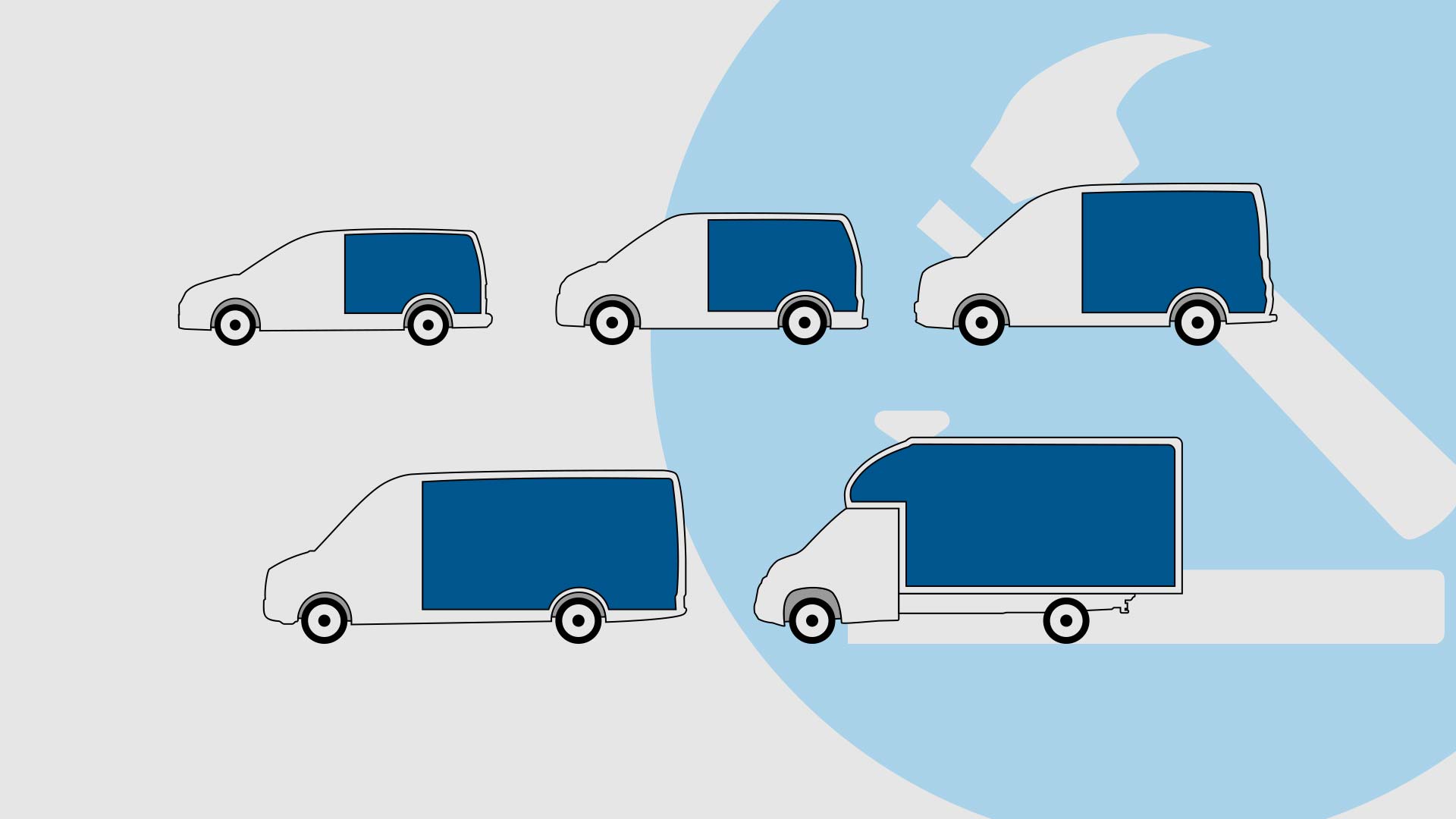
Credit: www.vanlifeadventure.com
Popular Van Conversion Styles
Van conversions come in many styles. Each style fits different needs and lifestyles. Choosing the right style can make your van feel like home. It can also support your activities on the road.
Some van conversions focus on comfort. Others focus on utility or adventure. Knowing the popular van conversion styles helps you decide. Here are some of the most common and loved styles.
Camper Van
Camper vans are designed for travel and sleep. They usually have a bed, small kitchen, and storage. These vans offer a cozy space for weekend trips. They are perfect for people who enjoy camping but want more comfort.
Cargo Van Conversion
Cargo van conversions turn empty vans into useful spaces. They are popular for work or hobbies. You can add shelves, racks, or tool storage. This style suits those who need a mobile workspace or storage area.
Adventure Van
Adventure vans are built for outdoor activities. They often include bike racks, roof racks, and extra gear storage. These vans support active lifestyles like hiking, biking, or surfing. They combine ruggedness with practical living space.
Luxury Van
Luxury vans offer high-end comfort and style. They include premium materials, advanced technology, and spacious layouts. These vans suit travelers who want a hotel-like experience on wheels. They provide comfort without sacrificing mobility.
Mobile Office Van
Mobile office vans create a workspace on the go. They include desks, chairs, and power outlets. These vans help remote workers or entrepreneurs stay productive. They allow work from anywhere without losing comfort or focus.
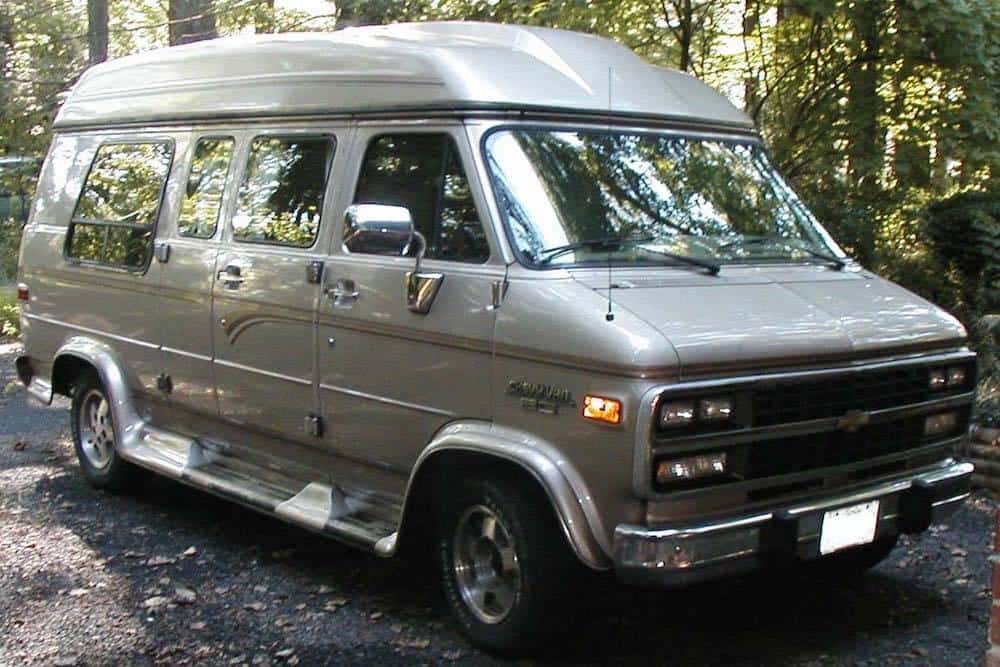
Credit: www.mccluskeychevrolet.com
Essential Conversion Features
Essential conversion features shape the comfort and function of your van. Each part plays a key role in daily life on the road. Thoughtful design helps make small spaces feel larger and more useful.
Choosing the right features depends on your travel style and needs. Focus on creating a cozy, practical home that suits your routine. Prioritize comfort, convenience, and efficiency in every area.
Sleeping Areas
Sleeping areas must be cozy and space-efficient. Beds can fold, slide, or convert into seating. Good mattresses improve rest after long days. Curtains or screens add privacy and block light. Ventilation near the bed helps with fresh air and comfort.
Kitchen Setup
Kitchens need basic tools for easy meal prep. Include a compact stove, sink, and fridge. Counter space should be enough for chopping and cooking. Storage for utensils and food is essential. Water supply and drainage must work smoothly.
Bathroom Options
Bathrooms vary from simple to full setups. Portable toilets save space and are easy to use. Some vans have small showers with water tanks. Privacy is important, so enclosures or curtains help. Ventilation prevents moisture and keeps the area fresh.
Storage Solutions
Smart storage keeps your van organized and clutter-free. Use under-bed drawers and overhead cabinets. Hooks and nets hold small items securely. Multi-use furniture offers extra storage space. Clear zones help separate gear, clothes, and food.
Electrical Systems
Electrical systems power lights, appliances, and devices. Solar panels provide clean, renewable energy. Batteries store power for nighttime use. Inverters convert energy for household plugs. Proper wiring and safety features protect your setup.
Diy Vs Professional Conversions
Choosing between DIY and professional van conversions is a big decision. Both options have clear differences. Your choice depends on your skills, budget, and time. Understanding these differences helps you pick the right path for your van project.
Pros And Cons Of Diy
DIY conversions let you save money and learn new skills. You control every detail and can work at your own pace. But it takes time and effort. Mistakes can be costly and frustrating. Lack of experience may lead to poor quality or unsafe results.
Benefits Of Hiring Experts
Professionals bring experience and skills to the project. They use quality materials and follow safety rules. The finished van often looks better and lasts longer. Experts handle problems quickly and reduce stress. You get a ready-to-use van with less hassle.
Cost Comparison
DIY usually costs less upfront. You buy materials and tools yourself. Professional conversions have higher prices due to labor and expertise. But experts may save money by avoiding costly mistakes. Consider long-term value, not just initial cost.
Time Investment
DIY projects take more time, sometimes months. You juggle work, family, and conversion tasks. Professionals finish faster, often in weeks. They have the tools and workforce to speed up work. Time saved can be spent enjoying your van sooner.
Material Choices For Conversion
Choosing the right materials is key for a van conversion. It affects comfort, durability, and style. Each part of the van needs specific materials to work well. Materials help keep the van warm, dry, and cozy. They also make the space look nice and last long. Below are common material choices for different parts of a van conversion.
Insulation Materials
Good insulation keeps the van warm in winter and cool in summer. Foam boards offer strong insulation and resist moisture. Spray foam fills gaps well but can be tricky to apply. Wool is natural, breathable, and eco-friendly. Reflective foil helps block heat from outside. Choose insulation based on climate and space available.
Flooring Options
Floors must be tough and easy to clean. Vinyl is popular for its waterproof surface and simple care. Laminate looks like wood but handles moisture better. Cork is soft underfoot and eco-friendly. Plywood is a strong base for other floor layers. Pick flooring that fits your style and travel needs.
Wall And Ceiling Finishes
Walls and ceilings shape the van’s look and feel. Plywood panels are light, strong, and easy to paint. Tongue-and-groove boards add a cabin-like charm. Fabric or carpet panels soften sound and add warmth. Vinyl or plastic panels resist water and stains. Use finishes that suit your design and function.
Furniture Materials
Furniture must be lightweight but sturdy. Plywood is common for cabinets and beds. Hardwood offers extra strength and a premium look. Aluminum frames keep furniture light and strong. Upholstery should be durable and easy to clean. Balance comfort, weight, and style in your furniture choices.
Budgeting Your Van Conversion
Planning your van conversion budget is a key step. It helps avoid surprises and keeps your project on track. Knowing costs early lets you choose the right materials and features. A well-planned budget ensures a smooth build and a happy end result.
Setting Realistic Budgets
Start by listing all parts of your conversion. Include insulation, flooring, and furniture. Think about appliances like a fridge or stove. Research prices online and at stores. Add a small extra amount for unexpected expenses. This buffer protects you from overspending.
Hidden Costs To Consider
Van conversion has hidden costs beyond materials. Tools or special equipment might be needed. Professional help for wiring or plumbing may add cost. Don’t forget permits or insurance changes. Fuel and travel during the build can add up too.
Saving Tips
Buy secondhand items where possible. Use simple designs to reduce material needs. Do some tasks yourself to save labor costs. Shop sales and compare prices carefully. Planning well avoids waste and extra spending.
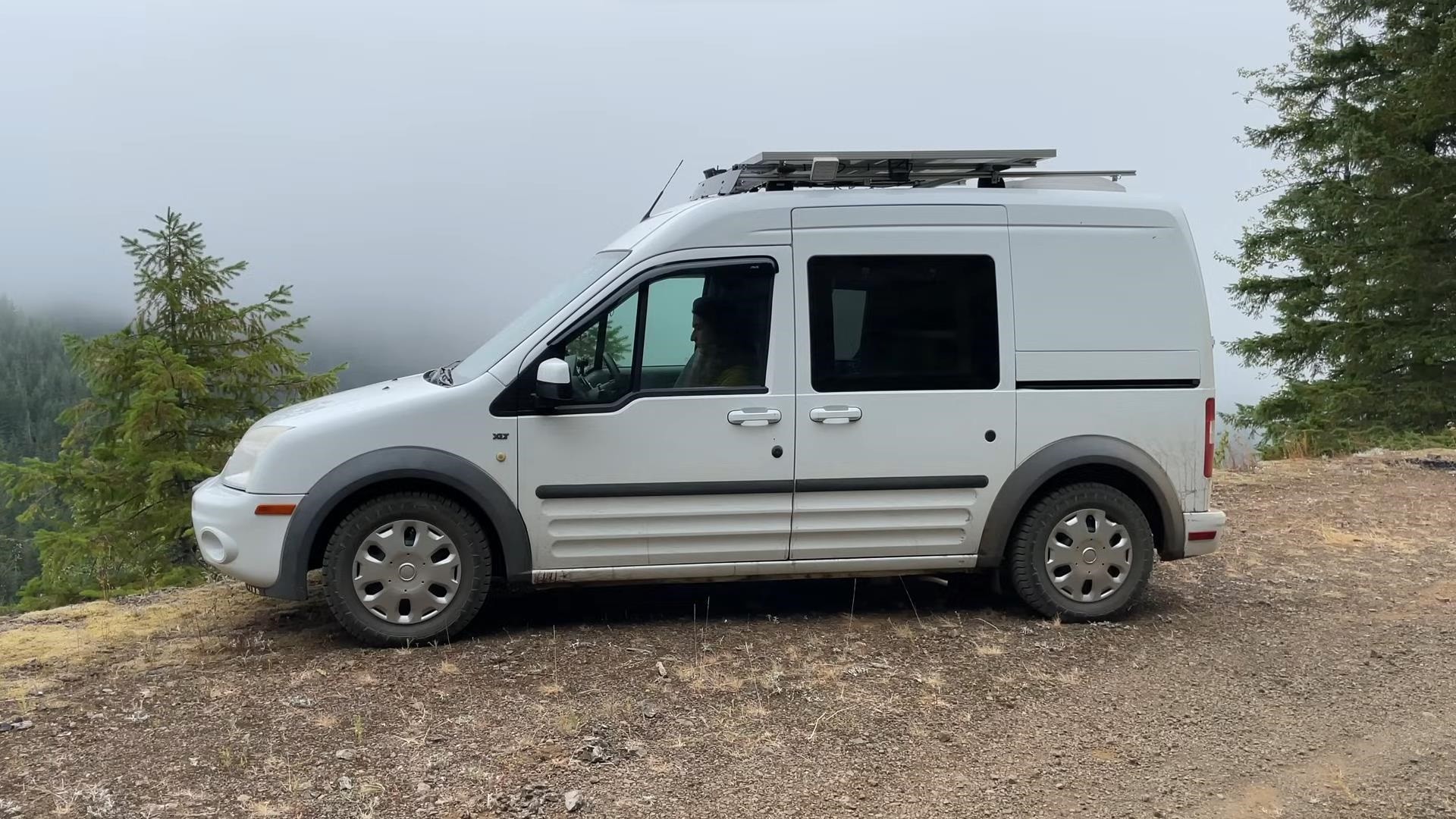
Credit: breezeresidency.com
Legal And Safety Considerations
Converting a van involves more than design and comfort. Legal and safety rules are key. These rules protect you and others on the road. Knowing what laws apply helps avoid fines and accidents. Safety gear keeps everyone secure during travel.
Vehicle Regulations
Every country has rules for van conversions. These rules cover size, weight, and parts used. Some vans need inspections before use. Check local laws about windows, seats, and gas systems. Follow these rules to keep your van legal. Non-compliance can cause penalties or bans.
Safety Equipment
Install safety gear to protect passengers. Seat belts are a must in all seating areas. Fire extinguishers help in emergencies. Smoke and carbon monoxide detectors save lives. Proper ventilation prevents gas buildup. Secure all furniture to avoid movement while driving.
Insurance Requirements
Insurance policies vary for converted vans. Inform your insurer about the conversion details. Some companies need proof of safety upgrades. Specialized insurance may cover theft and damages. Without proper insurance, you risk high costs after accidents. Always keep your insurance updated and valid.
Inspiring Conversion Examples
Van conversions offer many creative ways to live or travel comfortably. Each type suits different needs and lifestyles. Seeing real examples helps inspire your own project. These inspiring conversions highlight smart use of space and clever design.
Compact And Efficient Vans
Small vans prove that less can be more. These conversions use every inch wisely. Folding beds and hidden storage keep the space tidy. Kitchens are simple but functional. Perfect for solo travelers or couples who want mobility and ease.
Off-grid Ready Vans
Some vans are built to go off the beaten path. Solar panels and extra batteries power devices without hookups. Water tanks and composting toilets add independence. These vans handle rough roads and remote stays. Ideal for adventurers who love nature and freedom.
Family-friendly Designs
Families need space and comfort on the road. These vans include bunk beds or convertible seating areas. Storage is designed for clothes, toys, and gear. Safety features and easy layouts help parents relax. Great for family trips and long journeys together.
Conclusion
Van conversions offer many ways to create a cozy, practical space. Each type fits different needs and budgets. Some focus on comfort, others on storage or work use. Choosing the right style depends on your lifestyle and plans. Small changes can make a big difference inside your van.
Start with clear goals and priorities. This helps build a van that feels like home. Enjoy the freedom and fun that come with your custom van. The right conversion turns any journey into a great adventure.