
Have you ever wondered what keeps your car’s engine steady and quiet while you drive? The secret lies in something small but crucial: engine mounts.
These parts might seem simple, but they play a big role in your vehicle’s performance and comfort. Understanding the different types of engine mounts can help you spot problems early and make smarter choices when it’s time for repairs. Keep reading to discover how these mounts work and which type might be under your hood right now.
Engine Mount Basics
Engine mounts are simple parts that play a big role in your vehicle. They hold the engine in place inside the car. Without engine mounts, the engine would move around too much. This could cause damage and make the ride uncomfortable.
Understanding the basics of engine mounts helps you know how they work. It also shows why they need to be strong and reliable. Let’s explore what engine mounts do and what they are made of.
Purpose And Function
Engine mounts keep the engine fixed to the vehicle frame. They stop the engine from shaking or moving too much. This reduces noise and vibration inside the car. Engine mounts also protect other parts from damage.
They absorb shocks from road bumps and engine motion. This keeps the ride smooth and quiet. Good engine mounts improve driving comfort and help engine parts last longer.
Common Materials
Engine mounts are made from materials that can handle stress and heat. Rubber is common because it absorbs vibrations well. Some mounts use metal parts for strength and durability.
Polyurethane is another material used for stiffer mounts. It lasts longer but transfers more vibration. Many mounts mix rubber and metal to balance comfort and strength. The right material depends on the vehicle and engine type.

Credit: forums.jag-lovers.com
Rubber Engine Mounts
Rubber engine mounts are common in many vehicles. They help hold the engine in place. These mounts reduce vibrations and noise. They make rides smoother and quieter. Rubber’s flexibility plays a key role in their function.
Design And Features
Rubber engine mounts have a metal frame with rubber inside. The rubber acts like a cushion. It absorbs shocks from the engine. The metal frame keeps the mount strong. Rubber’s elasticity allows slight movement. This prevents damage to the engine and car body.
Advantages And Drawbacks
Rubber mounts lower noise and vibration effectively. They are cost-efficient and easy to produce. These mounts need little maintenance. Over time, rubber can wear out or crack. Heat and oil can damage the rubber. They are less durable than some other mount types.
Typical Applications
Rubber mounts fit well in small to mid-size cars. They are popular in everyday vehicles. Used in trucks and light commercial vehicles too. Ideal where comfort is more important than heavy-duty support. Common in engines with moderate power and vibration levels.
Hydraulic Engine Mounts
Hydraulic engine mounts help reduce vibrations from the engine to the car frame. They use a fluid-filled chamber to absorb shocks. This design makes rides smoother and quieter. These mounts are common in modern vehicles for better comfort.
How They Work
Hydraulic mounts have a rubber part filled with fluid. When the engine moves, the fluid moves inside chambers. This movement cushions vibrations and noise. The fluid also adapts to different driving conditions. It softens harsh impacts and keeps the engine stable.
Performance Benefits
Hydraulic mounts lower engine vibrations felt inside the car. They improve ride comfort by reducing noise. The fluid absorbs shocks better than solid rubber mounts. This helps protect other parts of the vehicle. It also improves handling by keeping the engine steady.
Maintenance Considerations
Hydraulic mounts need regular checks for leaks or damage. Fluid can dry out or leak over time, reducing effectiveness. Signs of worn mounts include increased vibration and noise. Replacing mounts on time avoids engine damage. Maintenance keeps the ride smooth and safe.
Polyurethane Engine Mounts
Polyurethane engine mounts are a popular choice for many car owners. They offer a balance between rubber and solid mounts. These mounts use a tough synthetic material. It is stronger than traditional rubber but still flexible. This makes them ideal for both daily driving and performance use.
Polyurethane mounts last longer than rubber ones. They resist oil, heat, and wear better. This durability helps keep the engine steady over time. They also provide a firmer hold, reducing engine movement more than rubber mounts do.
Durability And Stiffness
Polyurethane mounts are harder than rubber mounts. This hardness means they do not break down quickly. They resist cracks and tears from heat or chemicals. The stiffness of these mounts keeps the engine more stable. This reduces unwanted engine shifts during driving.
Impact On Vehicle Performance
Stiffer mounts improve engine response. They reduce engine movement during acceleration and cornering. This helps keep power delivery smooth and precise. Drivers may feel more control and better handling. These mounts are popular in modified and sports cars.
Noise And Vibration Levels
Polyurethane mounts transmit more vibration than rubber. This means the cabin might feel a bit rougher. Engine noise can be louder inside the car. Some drivers prefer this feedback; others may find it less comfortable. It depends on personal preference and driving style.
Solid Engine Mounts
Solid engine mounts are one of the simplest types of engine mounts. They connect the engine directly to the car frame without any cushioning material. This design makes them very strong and rigid. Solid mounts keep the engine firmly in place with little movement.
Drivers notice a sharper response from engines with solid mounts. This is why these mounts are popular in cars built for speed and power. The solid connection allows better control over the engine’s power. It also improves the feeling of the road and the car’s handling.
Construction Details
Solid engine mounts are usually made from metal parts. Steel or aluminum is common for these mounts. The metal parts are welded or bolted together. There is no rubber or soft material between the engine and frame. This means the mount does not absorb vibrations.
The simple design keeps the mount strong and durable. Solid mounts are less likely to wear out quickly. They can handle high engine torque and heavy loads. The solid structure also makes installation and replacement easy.
Usage In Racing And Performance Cars
Racing cars often use solid engine mounts. The mounts reduce engine movement during fast driving. This helps drivers maintain control on sharp turns and quick starts. Solid mounts improve the car’s response to the driver’s commands.
Performance cars benefit from the direct engine connection. It increases power transfer to the wheels. This mount type suits engines with high power and torque. Racing teams choose solid mounts for their durability and precision.
Trade-offs In Comfort
Solid engine mounts do not absorb engine vibrations. This causes more noise and shaking inside the car. Passengers feel the engine movements more clearly. This can lead to a rough and less comfortable ride.
Daily drivers might find solid mounts too harsh. Long trips become tiring due to constant vibrations. Drivers must balance performance benefits against ride comfort. For street cars, softer mounts often provide better comfort.
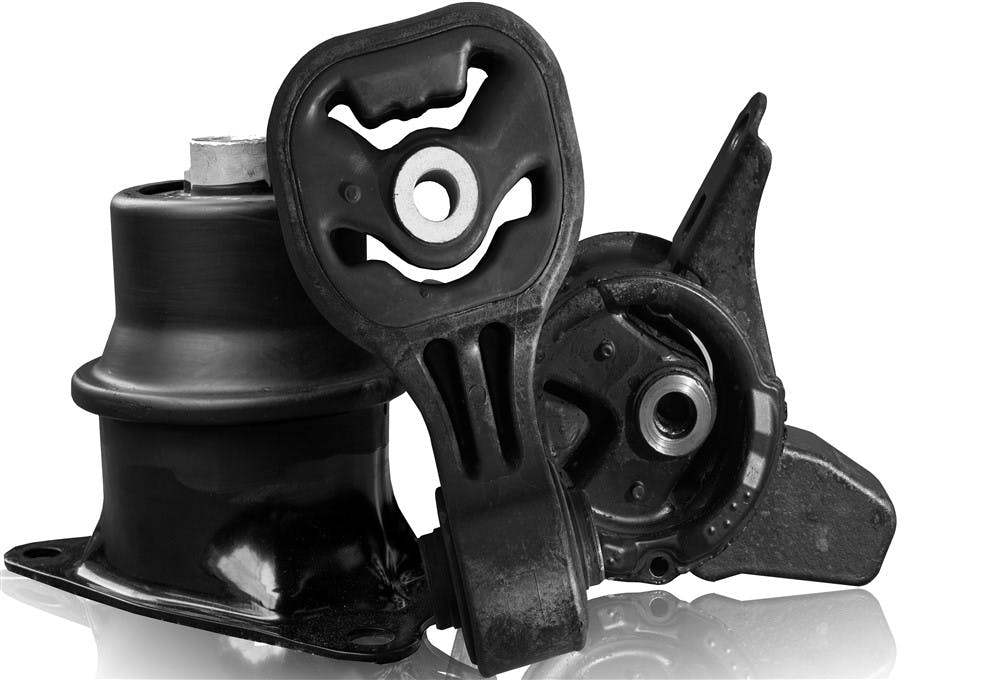
Credit: www.mechanic.com.au
Active Engine Mounts
Active engine mounts are advanced systems designed to reduce engine vibrations. They improve comfort by controlling movements dynamically. These mounts use sensors and actuators to respond to engine vibrations in real time. The result is a smoother ride and less noise inside the cabin.
Technology Behind Active Mounts
Active mounts use sensors to detect engine vibrations. Actuators then adjust the mount’s stiffness and damping. This happens continuously as the engine runs. The system uses electronic controls to manage these changes quickly. It helps cancel out unwanted vibrations effectively.
Adaptive Performance
These mounts adapt to different driving conditions. They adjust based on engine speed and load. The system also reacts to road conditions and vehicle movements. This adaptability improves both comfort and vehicle stability. Drivers feel less vibration and noise during their trips.
Cost And Complexity
Active engine mounts cost more than traditional mounts. They require advanced components and control systems. Installation and maintenance need skilled technicians. Despite the cost, they offer better ride quality. Many modern vehicles use them for enhanced comfort.
Choosing The Right Engine Mount
Choosing the right engine mount is key for your vehicle’s health. It affects how your engine stays in place and how much vibration you feel inside the car. Picking the right mount can improve your ride quality and protect engine parts. Understanding what to look for helps you make a smart choice.
Factors To Consider
First, think about your vehicle type and engine size. Different engines need different mounts. Also, consider the driving style. Rough driving needs stronger mounts. Quiet rides need mounts that absorb vibration well. Material matters too. Rubber mounts reduce noise, while metal ones offer more strength.
Balancing Performance And Comfort
Strong mounts give better engine control but can cause more vibration. Soft mounts reduce vibration but may allow engine movement. Finding a balance is important. Choose mounts that keep the engine steady without making the ride harsh. This balance keeps your car safe and comfortable.
Installation Tips
Use the right tools for a safe install. Check the vehicle manual for mount locations. Tighten bolts to the correct torque. Avoid over-tightening, which can damage mounts. Inspect mounts regularly for wear or cracks. Replace mounts if you notice excessive engine movement or noise.
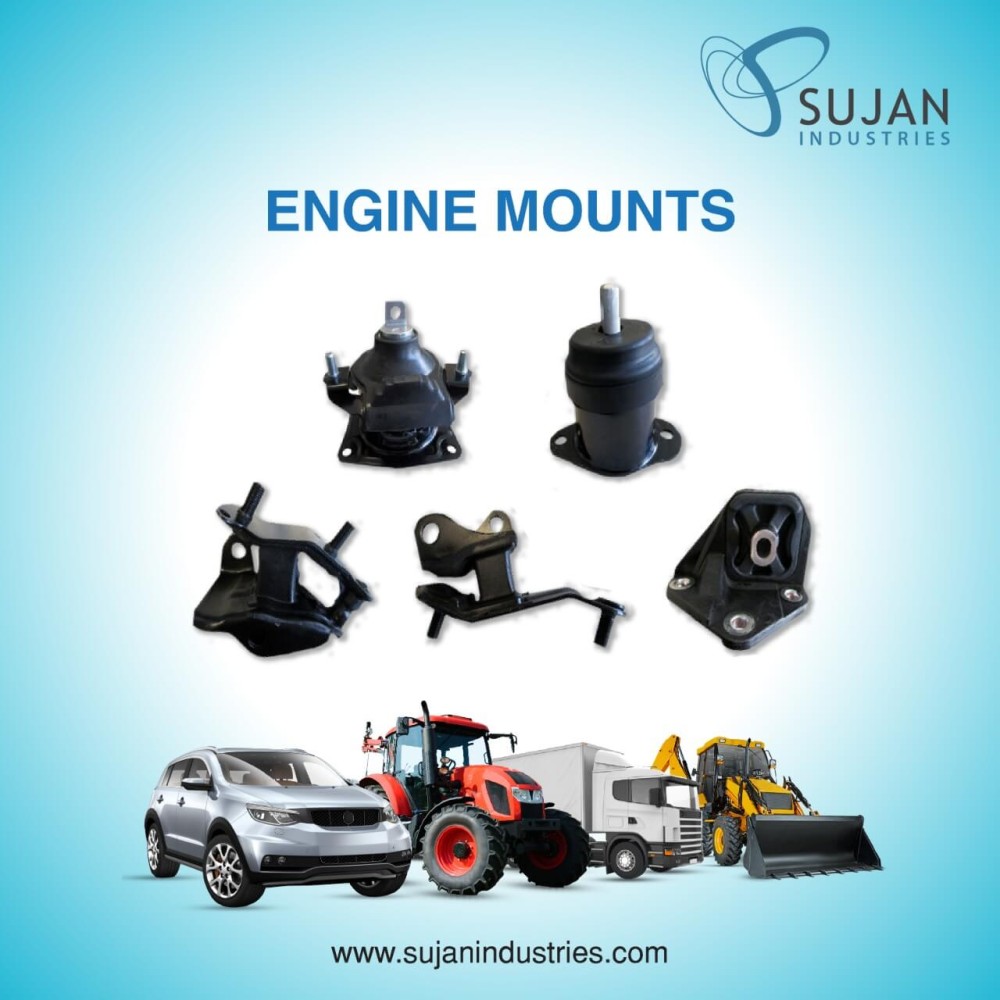
Credit: www.sujanindustries.com
Engine Mount Maintenance
Engine mounts keep the engine steady and reduce vibrations. Proper maintenance helps avoid costly repairs and keeps your car running smooth. Regular checks and timely replacements protect the engine and improve driving comfort.
Signs Of Wear
Look for unusual vibrations while driving. Strange noises during acceleration or braking can signal worn mounts. Visible cracks or tears in the mount material also show damage. Engine movement beyond normal limits suggests mount failure.
Replacement Intervals
Most engine mounts last between 5 to 7 years. Driving conditions affect how fast they wear out. Rough roads or heavy loads shorten their life. Follow your vehicle’s manual for specific replacement times.
Diy Vs Professional Service
Small issues can sometimes be fixed at home with basic tools. Full replacement often needs professional skills and equipment. Incorrect installation can cause engine damage or poor performance. Choose a trusted mechanic for best results.
Conclusion
Engine mounts play a key role in vehicle performance and comfort. Different types serve various needs and conditions. Rubber mounts reduce vibration and noise effectively. Hydraulic mounts offer better damping for smoother rides. Solid mounts provide strong support but less comfort.
Knowing these types helps choose the right mount for your car. Proper engine mounts extend engine life and improve safety. Always check mounts regularly for wear or damage. A well-maintained mount keeps your ride stable and quiet. Understanding engine mounts makes car care easier and smarter.