Have you ever wondered why your car’s headlights look different from others on the road? Understanding the types of headlight systems can make a big difference in your driving safety and comfort.
Whether you’re buying a new car, upgrading your current lights, or just curious, knowing how each system works helps you make smarter choices. You’ll discover the key types of headlight systems and how they affect visibility, style, and performance. Keep reading to find out which headlight system suits your needs best—and why it matters every time you hit the road.
Credit: www.diodes.com
Halogen Headlights
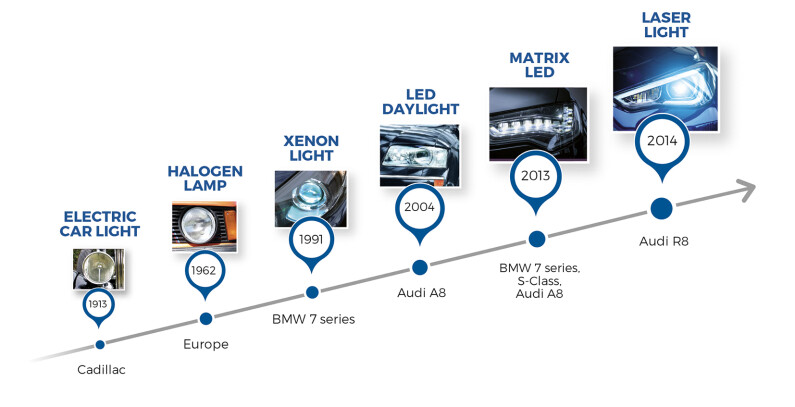
Halogen headlights are one of the most common types of car lights. They use a simple and reliable technology that has been around for decades. These lights provide a bright, white-yellow light that helps drivers see the road clearly at night. Halogen headlights are easy to replace and cost less than other headlight types. Many vehicles still use halogen bulbs because they balance performance and price well.
How Halogen Lights Work
Halogen headlights work by passing electricity through a thin tungsten filament. This filament heats up and produces light. The bulb contains halogen gas, like iodine or bromine. This gas helps keep the filament from breaking quickly. It also makes the bulb brighter and last longer than regular bulbs. The halogen gas recycles tungsten atoms back to the filament. This process keeps the bulb working efficiently for a longer time.
Advantages And Drawbacks
Halogen headlights are affordable and easy to find. They produce warm, natural light that many drivers prefer. These bulbs work well in cold weather and are simple to replace. On the downside, halogen lights use more energy than newer types. They do not last as long as LED or HID headlights. Their light output is lower, which can limit visibility on dark roads. The bulbs also get hot during use, which can cause damage over time.
Best Use Cases
Halogen headlights suit everyday driving in cities and towns. They work well for drivers who want a budget-friendly option. Older cars often use halogen bulbs, making replacements easy. These headlights perform fine on highways with street lighting. For drivers who do not need very bright or advanced lights, halogen is a good choice. They are also good for short trips and normal weather conditions.
Led Headlights
LED headlights have become very popular in cars. They use light-emitting diodes to produce bright light. These headlights improve visibility and safety at night. Their design is compact and modern, fitting well in many car models. LED headlights also offer better energy use and last longer than traditional bulbs.
Technology Behind Leds
LEDs create light by passing electricity through tiny semiconductor chips. These chips emit light without needing a filament or gas. The light is very clear and focused. LED headlights can turn on instantly. They also allow car makers to design unique headlight shapes.
Energy Efficiency
LED headlights use less power than halogen or HID lights. This helps save battery and fuel in vehicles. Less energy use means less heat production. Cars with LED headlights often have better overall energy performance. This efficiency supports longer driving ranges for electric cars.
Longevity And Maintenance
LED headlights last much longer than old-style bulbs. They can work for tens of thousands of hours. This reduces the need for frequent replacements. LED lights are also more durable and resistant to shocks. Drivers benefit from fewer repairs and lower maintenance costs.
Hid Headlights
HID headlights stand for High-Intensity Discharge lights. They use a different technology than regular halogen bulbs. These headlights create light by sending an electric arc between two electrodes inside a gas-filled tube. This process produces a bright and clear light that looks almost white or bluish. Many drivers choose HID headlights for their modern look and improved visibility on the road.
What Makes Hid Different
HID headlights do not use a filament like halogen bulbs. Instead, they use xenon gas and metal salts inside a glass tube. When electricity passes through, it creates a bright arc of light. This method is more efficient and lasts longer than traditional bulbs. The light is also more intense and spreads evenly across the road.
Brightness And Range
HID headlights are much brighter than halogen bulbs. They can light up the road farther ahead. This helps drivers see obstacles and signs earlier. The light also covers a wider area, improving side visibility. This makes driving at night safer and less tiring for the eyes.
Cost Considerations
HID headlights cost more than halogen bulbs. The bulbs themselves are pricier. Installation can also be more expensive due to special ballasts. These ballasts control the electric arc inside the bulb. Despite the higher cost, many drivers find the brightness and lifespan worth the price.
Laser Headlights
Laser headlights represent a new step in car lighting technology. They use tiny laser beams to create bright and clear light. This type of headlight is more efficient and lasts longer than traditional lights. Cars with laser headlights often look modern and sleek.
Innovations In Laser Lighting
Laser headlights use small lasers to produce intense light. These beams hit a special surface to create bright white light. This light can reach farther than regular LED or halogen lights. The technology allows for smaller, lighter headlight designs. It also helps reduce energy use in the vehicle.
Performance Benefits
Laser headlights provide much better visibility at night. They shine light up to 600 meters ahead. This helps drivers see obstacles sooner and react faster. The light is clearer and less tiring for the eyes. Laser headlights also adjust well to different driving conditions.
Availability And Pricing
Laser headlights are found mostly on high-end cars today. They cost more than LED or halogen headlights. The price is due to complex technology and limited production. Over time, prices may drop as more cars use them. For now, they remain a premium feature.
Adaptive Headlight Systems
Adaptive headlight systems improve night driving safety. They change the light’s direction and brightness based on driving conditions. This helps drivers see better on curves and around obstacles. These systems adjust automatically to the road and traffic.
How Adaptive Lights Adjust
Adaptive headlights use sensors to detect speed, steering, and road shape. They move the light beam to follow turns and bends. The lights also change brightness to avoid blinding other drivers. This makes night driving clearer and safer.
Safety Enhancements
Adaptive headlights reduce accidents by improving visibility. They help drivers spot pedestrians and animals sooner. Brightness changes prevent glare for oncoming cars. These features lower risks on dark or winding roads.
Popular Models With Adaptive Tech
Many car brands offer adaptive headlights. BMW, Audi, and Mercedes often include this feature. It is also common in luxury SUVs and sedans. Drivers appreciate the extra safety and comfort these lights provide.

Credit: www.youtube.com
Matrix Headlights
Matrix headlights are a new type of car lighting. They use many small LEDs to create light patterns. These lights can change quickly to help drivers see better.
The system can turn parts of the light on or off. This helps avoid blinding other drivers. Matrix headlights improve safety and comfort on the road.
Selective Beam Control
Matrix headlights use selective beam control to adjust light. Each LED can turn on or off separately. This controls the light direction very precisely. It blocks light from shining in other cars’ eyes. Drivers get bright light without causing glare for others.
Night Driving Advantages
Matrix headlights make night driving safer. They give a wide and clear view of the road. Drivers can see pedestrians and obstacles earlier. The light adapts to road curves and turns. This reduces eye strain and improves reaction time. Driving at night feels easier and less tiring.
Technological Challenges
Matrix headlights need complex technology to work well. The system must detect other cars quickly. It uses cameras and sensors for this task. The LED control needs to be very fast and accurate. These parts can be expensive and hard to repair. Weather and dirt can also affect performance.
Comparison Of Headlight Types
Different headlight systems offer various benefits and drawbacks. Comparing these types helps choose the best fit for your needs. This section breaks down key factors like brightness, energy use, and cost. Each point shows how headlight types perform in everyday driving.
Brightness And Visibility
Halogen headlights provide decent brightness for city driving. LED lights shine brighter and cover more distance. Xenon or HID bulbs create very bright light with a wide beam. Brightness affects how far and clear you see at night. Good visibility improves safety on dark roads.
Energy Consumption
Halogen bulbs use more power and generate heat. LED headlights consume less energy and last longer. Xenon bulbs need a high voltage to start but use moderate power. Lower energy use means less strain on your vehicle’s battery. Efficient lights help save fuel in the long run.
Durability And Cost
Halogen lights are the cheapest but wear out faster. LEDs cost more initially but last many years. Xenon bulbs fall between halogen and LED in price and lifespan. Repair and replacement costs vary by type. Durable headlights reduce the need for frequent changes.
Choosing The Right Headlights
Choosing the right headlights improves your driving safety and comfort. Different headlights offer various brightness, color, and energy use. Picking the best type fits your needs and car. Consider some key points before deciding.
Factors To Consider
Think about the light’s brightness and beam pattern. Bright lights help see far but may blind others. Energy efficiency saves your car’s battery power. Durability matters for long-lasting use in all weather. Style can affect your car’s look. Choose a headlight that balances these factors well.
Vehicle Compatibility
Not every headlight fits every car. Check your car’s manual for recommended types. Some cars need special bulbs or shapes. Using the wrong headlight may cause poor fit or damage. Match the headlight to your vehicle model for best results.
Budget And Preferences
Headlight prices vary from low to high. Cheaper options suit basic needs. Higher-end headlights offer better brightness and lifespan. Pick based on how much you want to spend. Your personal style and driving habits matter too. Find the right mix of cost and quality.

Credit: www.theengineeringchoice.com
Conclusion
Headlight systems come in many types, each with clear benefits. Choosing the right one helps improve night driving safety. Brightness, energy use, and lifespan vary among options. Understanding these differences makes car care easier. Remember to check your headlights often for best performance.
Safe driving starts with good visibility on the road. Knowing your headlight system helps you drive with confidence. Keep your lights clean and working well every day. Simple steps make a big difference in your driving safety.