
When it comes to keeping your engine running smoothly, the oil filter plays a key role. But did you know there are different types of oil filters, each designed to protect your engine in unique ways?
Choosing the right one can save you money, improve performance, and extend your vehicle’s life. You’ll discover the main types of oil filters and how to pick the best fit for your needs. Understanding these options will give you the confidence to make smarter decisions for your car’s health.
Keep reading to find out which oil filter is right for you!
Oil Filter Basics
Understanding oil filter basics helps protect your engine. Oil filters keep the engine oil clean. Clean oil means a longer engine life and better performance.
Oil filters remove dirt, metal particles, and other impurities. These particles can damage the engine if not filtered out. Knowing how oil filters work helps you choose the right type for your vehicle.
Role Of Oil Filters
Oil filters trap harmful particles in the engine oil. They stop dirt from circulating inside the engine. This reduces wear and tear on engine parts. Without a good oil filter, engine damage can happen fast. Filters also help maintain oil flow. This keeps the engine running smoothly.
How Oil Filters Work
Oil enters the filter through small holes. Inside, a filter media captures dirt and debris. Clean oil then flows out to the engine parts. Some filters have a bypass valve. It opens if the filter clogs, letting oil flow anyway. This prevents oil starvation to the engine. Most filters use paper or synthetic media. These materials trap tiny particles effectively.
Credit: www.harvardfiltration.com
Common Oil Filter Types
Oil filters keep your engine clean by trapping dirt and debris. Different types of oil filters work in various ways to protect the engine. Understanding common oil filter types helps you choose the right one for your vehicle.
Spin-on Filters
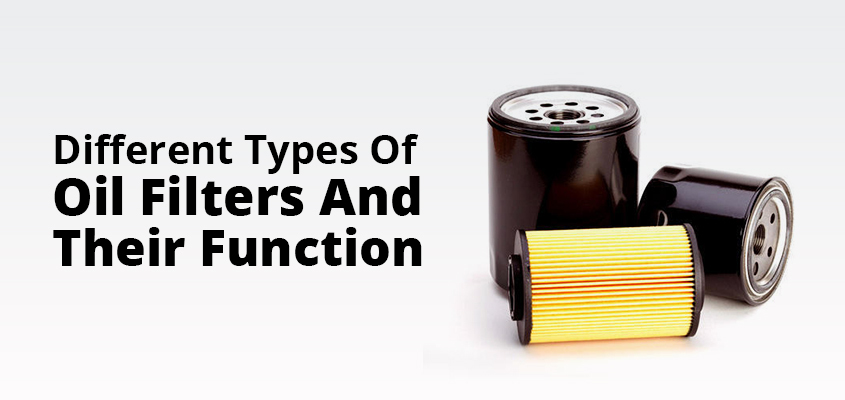
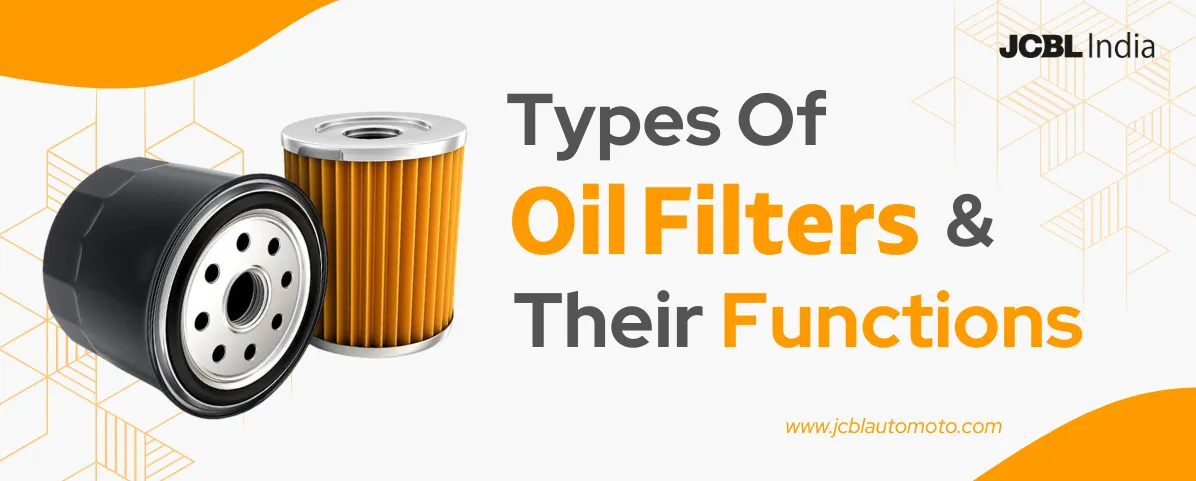
Spin-on filters are the most common type found in many vehicles. They come as a complete unit and are easy to install. Just unscrew the old filter and screw on the new one. Inside, they have a paper filter that traps dirt and particles. These filters are convenient and affordable.
Cartridge Filters
Cartridge filters are reusable housings with replaceable filter elements. The filter element fits inside the housing on the engine. This design reduces waste since only the filter changes. Cartridge filters often fit newer vehicles and are simple to service.
Magnetic Filters
Magnetic filters use magnets to catch metal particles in the oil. They do not use paper or fabric. These filters help protect engines from tiny metal shavings. Magnetic filters often work alongside other filter types for better cleaning.
Centrifugal Filters
Centrifugal filters spin the oil to separate dirt and debris. The dirt moves to the outer edges, leaving clean oil in the center. These filters are strong and handle high oil flow. They are less common but very effective in heavy-duty engines.
Material And Construction
Oil filters vary greatly in their material and construction. These differences affect how well they clean engine oil and how long they last. Understanding the materials used can help you choose the right filter for your vehicle. Each part of the filter has a specific role in ensuring clean oil flow.
Filter Media Varieties
Filter media is the core material that traps dirt and debris. Common types include cellulose, synthetic, and blended media. Cellulose is made from natural fibers and is affordable but less durable. Synthetic media uses man-made fibers for better filtration and longer life. Blended media combines both to balance cost and performance.
Housing Materials
The housing holds the filter media and protects it. Steel housings are strong and resist damage well. Aluminum housings are lighter and resist rust. Plastic housings are cheaper but may not last as long. The housing must handle heat and pressure inside the engine.
Seal And Gasket Types
Seals and gaskets prevent oil leaks around the filter. Rubber is the most common material used. Some seals are made from silicone for better heat resistance. Proper sealing keeps oil inside the engine and stops dirt from entering. A good seal is crucial for filter performance.
Choosing Filters By Vehicle Type
Choosing the right oil filter depends on your vehicle type. Each vehicle has unique needs for oil filtration. Selecting the proper filter protects your engine and improves performance. Understanding the differences helps you pick the best option.
Passenger Cars
Passenger cars need filters designed for smaller engines. These filters trap dirt and debris effectively. They also support regular oil changes and keep engines clean. Many filters for cars focus on easy installation and long service life.
Trucks And Suvs
Trucks and SUVs use bigger engines that work harder. Their filters handle higher oil flow and heavier contaminants. These filters are stronger and built to last longer. They ensure the engine stays protected during tough drives.
Motorcycles
Motorcycle filters are compact and fit tight spaces. They must handle higher engine speeds and temperatures. These filters keep oil clean to protect small, high-performance engines. Durable materials help them last under stress.
Heavy-duty Vehicles
Heavy-duty vehicles demand filters that filter large oil volumes. These filters resist extreme pressure and harsh conditions. They prevent engine wear in trucks, buses, and machinery. Quality filtration extends engine life and reliability.
Performance And Efficiency Factors
Choosing the right oil filter means understanding how well it performs and how efficient it is. These factors affect engine health and oil cleanliness. Good performance keeps the engine safe and running smoothly. Efficiency means the filter can work well without slowing down oil flow. Several key points help explain these factors.
Filtration Efficiency Ratings
Filtration efficiency shows how well a filter removes dirt and particles. It is measured by percentages or ratings like micron size. Smaller micron ratings mean finer filtration. A filter with high efficiency traps more harmful debris. This protects the engine from wear and damage. Check the filter’s rating to match your engine needs.
Flow Rate Considerations
Flow rate is the speed at which oil passes through the filter. A good oil filter keeps oil moving fast enough for engine parts. If the flow rate is too low, oil delivery slows down. This can cause engine overheating or damage. Filters must balance good filtration with proper oil flow. Choose filters designed to maintain steady flow rates.
Filter Longevity
Filter longevity means how long the filter works before it clogs. A longer-lasting filter needs fewer changes. It saves time and money in maintenance. Filter materials and design affect lifespan. High-quality filters use strong media that resist clogging. Longevity also depends on driving conditions and oil quality. Pick filters that match your driving style and oil change schedule.
Maintenance And Replacement Tips
Proper maintenance and timely replacement of oil filters keep your engine healthy. Clean filters help remove dirt and debris from the oil. This process protects your engine parts from damage. Following simple tips can extend your engine’s life and improve performance.
When To Change Oil Filters
Change your oil filter every time you change the oil. Most vehicles need this every 3,000 to 5,000 miles. Check your car’s manual for exact intervals. Replacing filters on time stops contaminants from building up. Old filters can clog and reduce oil flow.
Signs Of A Failing Filter
Watch for a drop in engine power or strange noises. Dark, dirty oil on the dipstick shows filter problems. The oil pressure warning light may turn on. Engine overheating can happen if oil flow is blocked. These signs mean the filter needs quick replacement.
Diy Vs Professional Replacement
Replacing an oil filter yourself saves money. It needs basic tools and some knowledge. Use the right filter type for your vehicle. Professionals offer quick, clean service with proper disposal. They check for leaks and ensure a perfect fit. Choose what fits your comfort and skill level.
Popular Brands And Models
Choosing the right oil filter matters for your vehicle’s health. Many brands offer various models to fit different needs. Knowing popular brands and their top models helps you pick the best option. Here, we explore trusted brands across different price ranges and performance levels.
Top-rated Filters
Brands like Bosch, Mobil 1, and Fram lead the market with top-rated filters. These models have high efficiency in trapping dirt and debris. They offer excellent engine protection and longer filter life. Many users trust these brands for everyday driving and regular maintenance.
Budget-friendly Options
For those on a tight budget, brands like Purolator and ACDelco provide reliable filters at lower prices. These filters maintain good filtration standards despite their affordable cost. They suit drivers who need decent protection without spending much. These models balance quality and price well.
Premium Performance Filters
Premium filters from brands such as K&N and WIX target drivers seeking superior engine care. These filters use advanced materials for improved oil flow and filtration. They help maintain engine performance under tough conditions. Ideal for high-mileage vehicles or performance cars.
Credit: www.jcblautomoto.com
Environmental Impact
Oil filters play a key role in keeping engines clean. Yet, their impact on the environment often goes unnoticed. Used oil filters contain harmful substances that can pollute soil and water. Proper handling and disposal of these filters reduce environmental damage. Choosing the right filter also helps protect our planet.
Filter Disposal Guidelines
Never throw used oil filters in regular trash. They contain oil that can leak and pollute. Many places have special collection centers for used filters. Drain oil from filters before disposal to minimize pollution. Follow local rules for recycling or disposal. Proper disposal protects water, soil, and wildlife.
Eco-friendly Filter Choices
Some filters use biodegradable materials that break down safely. Recyclable metal filters reduce waste and save resources. Look for filters with certifications for environmental safety. These choices lower your carbon footprint. Using eco-friendly filters helps keep nature clean and healthy.

Credit: www.machinerylubrication.com
Conclusion
Choosing the right oil filter helps keep your engine clean and running well. Different types suit different needs and vehicles. Regularly changing the oil filter protects your engine from dirt and damage. Remember, a good filter supports your car’s health and performance.
Keep your vehicle in top shape by understanding these filter types. It makes maintenance easier and safer. Stay informed and take care of your engine with the right oil filter choice. Simple steps lead to a longer engine life.