
Waking up to a frost-covered windshield is frustrating—and scraping it off eats into your morning. If you’ve wondered whether a windshield cover can actually stop frost from forming, you’re not alone.
Imagine skipping that chilly scrape and simply lifting off a cover to reveal a clear view. You’ll discover how windshield covers work, why they’re effective at preventing frost, and the best tips to get the most out of yours. Ready to save time and protect your car this winter?
Let’s dive in!
How Covers Block Frost
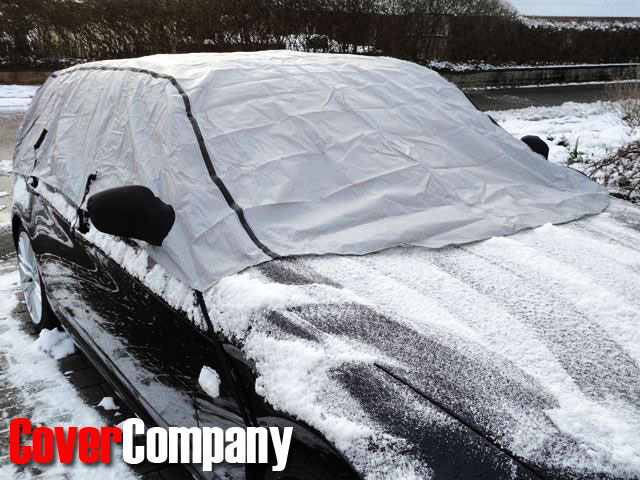
Windshield covers block frost by creating a protective layer over the glass. This layer stops cold air and moisture from touching the windshield. Frost forms when moisture meets the cold glass surface. The cover acts as a shield, preventing this contact. As a result, ice does not form directly on the glass. Instead, it may gather on the cover, which is easy to remove. This simple method saves time and effort on cold mornings.
Physical Barrier Against Ice
The cover acts as a physical barrier that blocks ice from forming. It keeps cold air from reaching the glass surface. Without direct contact, frost cannot develop on the windshield. The material of the cover prevents water vapor from freezing on the glass. This barrier is the key reason covers stop frost buildup effectively.
Preventing Moisture Contact
Frost needs moisture to form on a surface. Covers stop moisture from settling on the glass. They keep rain, dew, and snow off the windshield. By blocking moisture, covers prevent ice crystals from developing. This protection lowers the chance of frost forming overnight.
Easy Frost Removal
Any frost or ice that forms stays on the cover, not the glass. Removing the cover takes away all the frost at once. This makes clearing the windshield quick and simple. No scraping or chipping ice is needed. The cover saves time and effort in the cold.

Choosing The Right Cover
Choosing the right windshield cover plays a key role in keeping frost off your windshield. A proper cover acts as a barrier between cold air and the glass. It stops frost from forming and saves you time scraping in the morning. Select covers that fit well, use durable materials, and stay in place during windy nights. These factors ensure the cover works effectively and lasts longer.
Materials That Work Best
Look for covers made from thick, weather-resistant materials. Polyester and heavy-duty nylon are good choices. These fabrics block moisture and cold air well. Some covers have a soft fleece lining to protect the glass from scratches. Waterproof layers help keep melted snow from seeping through. Avoid thin or cheap materials that tear easily or let frost pass.
Size And Fit Considerations
The cover must fit your windshield snugly. Too small covers leave parts of the glass exposed. Too large covers may flap in the wind and let cold air underneath. Measure your windshield width and height before buying. Choose covers that slightly overlap the edges. This prevents frost from creeping in along the sides. A good fit means better frost protection and easier installation.
Securing Methods
Strong securing systems keep the cover in place overnight. Many covers use built-in magnets that stick to the metal frame of the car. Others come with straps or elastic bands that attach under the mirrors or around the car. Some use hooks or bungee cords for extra hold. Choose a cover with secure fasteners to stop it from flying off in wind. Proper securing also prevents frost buildup under the cover.
Installation Tips
Proper installation of a windshield cover is key to preventing frost effectively. Small steps during setup can make a big difference in performance. Follow these simple tips to keep your windshield clear and save time in cold mornings.
Applying On Dry Surfaces
Always place the cover on a dry windshield. Moisture trapped under the cover can freeze and stick to the glass. Wiping the glass dry before applying helps the cover lie flat and work better. This also prevents damage to the glass and makes removal easier.
Avoiding Freeze To Glass
Do not put the cover over snow or ice. Snow melts and refreezes under the cover, causing it to stick. Allow snow to melt or clear it off first. Using the cover on dry glass ensures it peels off smoothly without pulling ice along.
Using Magnets And Straps
Secure the cover tightly with built-in magnets or straps. This prevents wind from lifting the cover and moisture from getting underneath. Proper fastening keeps the cover in place all night and improves frost protection. Check that straps are snug but not too tight to avoid damage.
Alternatives To Covers
Windshield covers are popular for stopping frost, but some drivers seek other options. Alternatives can help clear frost quickly or prevent it without using a cover. These methods suit different needs and budgets. They also work when you forget to place a cover the night before.
De-icing Sprays
De-icing sprays melt frost fast. They contain chemicals that lower the freezing point on glass. Simply spray on the windshield and wait a few minutes. The ice softens and can be wiped away easily. Store a bottle in your car for quick use on cold mornings.
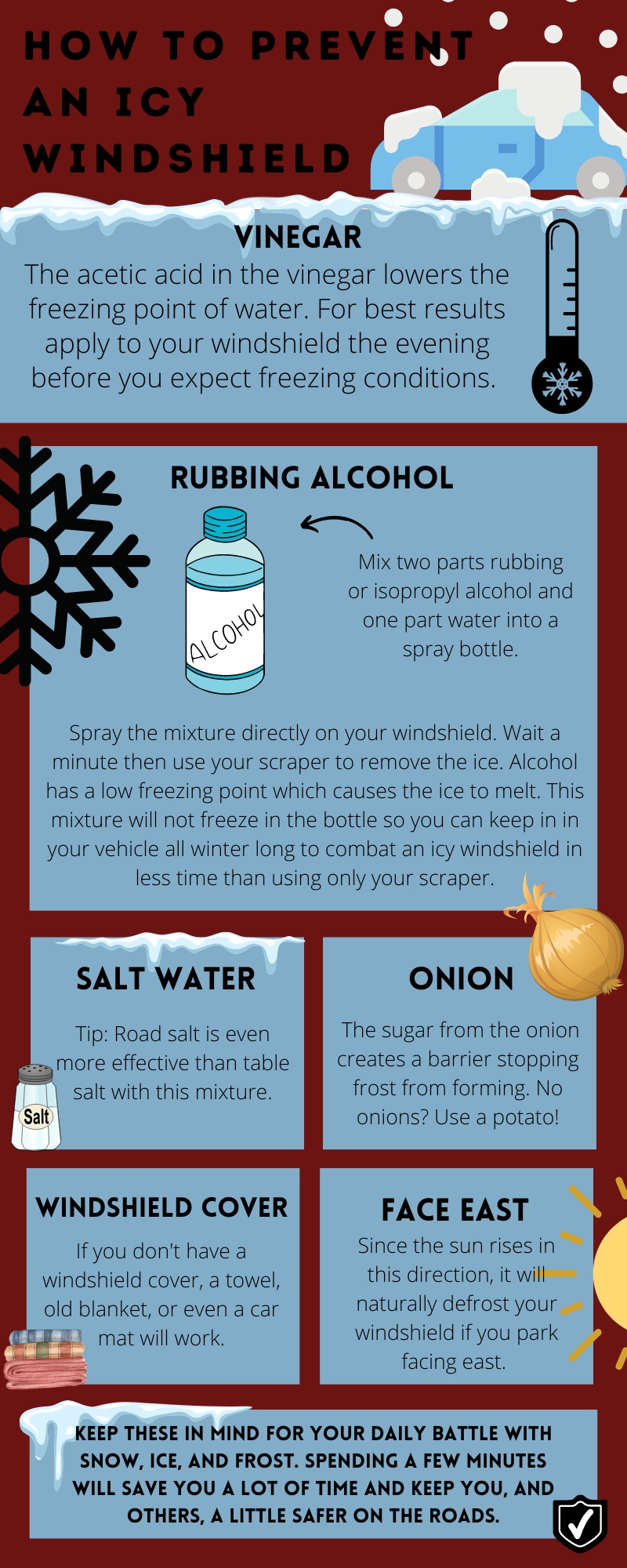
Diy Vinegar And Alcohol Solutions
A homemade mix of vinegar and rubbing alcohol works well against frost. Vinegar’s acid breaks down ice, while alcohol prevents refreezing. Mix three parts vinegar with one part water or use 70% rubbing alcohol. Spray this solution on the windshield before frost forms. It can reduce ice buildup effectively.
Using Towels Or Cardboard
Placing towels or cardboard over the windshield is a simple frost barrier. These materials block moisture from settling on the glass. Secure them with clips or tuck under the windshield wipers to keep them in place. Remove the cover in the morning to find a frost-free windshield.
Benefits Beyond Frost Prevention
Windshield covers offer more than just frost protection. They help maintain your car’s condition and improve your daily routine during cold months. Using a cover can save money and reduce frustration.
These benefits make windshield covers a smart choice beyond stopping frost buildup.
Protecting Windshield And Paint
Covers shield your windshield from scratches caused by ice scrapers. They also protect the paint near the glass from harsh weather. This prevents damage from frost, ice, and salt. Over time, this protection keeps your car looking newer and reduces repair costs.
Saving Time On Cold Mornings
Removing frost and ice takes time and effort. A windshield cover stops ice from forming directly on the glass. This means you can skip scraping and defrosting. You get on the road faster and avoid early morning stress. It’s a simple way to save valuable time every day.
Reducing Wiper Damage
Ice can harm your windshield wipers by freezing them to the glass. Trying to use frozen wipers can tear the rubber or break the blades. A cover prevents ice buildup around the wipers. This keeps them in good shape and helps them last longer. Your wipers work better, and you avoid extra replacement costs.
Common Mistakes To Avoid
Using windshield covers helps reduce frost buildup on your car’s glass. Avoiding common mistakes improves their effectiveness and saves time in the morning. Some errors can cause frost to form despite the cover. Below are key mistakes to watch out for.
Leaving Covers Loose
Loose covers let cold air sneak under the edges. Frost can form on exposed parts of the windshield. Secure the cover tightly using straps, magnets, or hooks. A snug fit creates a better barrier against frost.
Covering Wet Surfaces
Placing the cover on wet glass causes ice to freeze between the cover and windshield. Removing it can be difficult and might damage the cover or glass. Always dry the windshield before applying the cover for best results.
Ignoring Wind Conditions
Strong wind can lift or shift a cover left unsecured. This exposes the glass to frost and snow. Use heavier covers or add extra fasteners in windy areas. Checking wind direction helps place and secure covers properly.
User Experiences
User experiences offer valuable insights into how well windshield covers prevent frost. Real feedback from users highlights practical benefits and occasional challenges. Understanding these experiences helps decide if a cover fits your needs.
Customer Reviews
Many customers praise windshield covers for saving time. They mention easy installation and quick removal in the morning. Users report less scraping and clearer windshields after frost.
Some reviews note covers stay in place well during light winds. Others suggest securing with extra straps in strong gusts. A few users warn about covers freezing to wet windshields if not applied correctly.
Community Tips
Communities share simple tips to improve cover performance. Applying the cover to a dry windshield prevents it from sticking. Using magnets or hooks keeps covers from blowing away.
Some suggest shaking off snow before removing the cover. This avoids snow falling onto the glass. A common tip is to store the cover in a dry place to extend its life.
Real-life Success Stories
Many drivers share how covers helped during cold mornings. They describe waking up to frost-free windshields ready to drive. Some say covers reduced the need for early scraping by half.
One user found covers especially helpful during sudden frost events. Another said it saved them from being late to work. These stories show covers can make winter mornings easier and safer.
Conclusion
Windshield covers help stop frost from forming on glass surfaces. They act as a shield against cold and moisture. Removing the cover is easier than scraping ice off. Securing the cover well keeps it effective through the night. Using a dry surface before placing the cover prevents freezing to glass.
For heavy frost, covers save time and effort each morning. They offer a simple way to protect your windshield during cold weather. Try one this winter to avoid frosty windshields and chilly mornings.