Have you ever wondered how your car smoothly turns corners without skidding or losing control? The secret lies in a small but powerful part called the differential.
Understanding the different types of car differentials can help you make smarter decisions about your vehicle’s performance, handling, and maintenance. You’ll discover how each type works and which one might be the best fit for your driving style. Keep reading to unlock the key to better driving and gain insights that could change the way you think about your car.
What Car Differentials Do
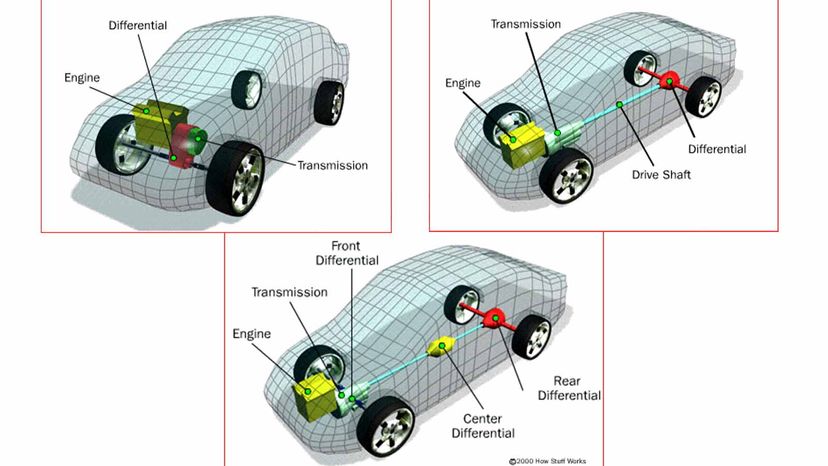
Car differentials play a key role in how a vehicle moves. They allow wheels to turn at different speeds. This is important when the car turns corners or drives on uneven surfaces.
Without a differential, the wheels would spin at the same speed. This would cause tire wear and make steering difficult. Differentials help balance power between wheels. They improve control and safety on the road.
How Differentials Help In Turning
When a car turns, the inside wheels travel a shorter distance. The outside wheels cover more ground. Differentials let the outside wheels turn faster. This stops the wheels from skidding or slipping.
Power Distribution Between Wheels
Differentials split engine power to the wheels. They send more power to the wheel with better grip. This helps cars drive smoothly on rough or slippery roads.
Improving Traction And Stability
Differentials improve traction by adjusting power flow. They keep the vehicle stable during acceleration and cornering. This makes driving safer in different conditions.
Credit: auto.howstuffworks.com
Open Differentials
Open differentials are the most common type used in cars. They help wheels turn at different speeds, especially when the car takes a turn. This feature keeps driving smooth and safe. Many everyday vehicles use open differentials because they are simple and reliable.
How Open Differentials Work
Open differentials split engine power to the wheels. Each wheel can turn at its own speed. This helps when the car goes around corners. The outside wheel turns faster than the inside wheel. The differential gears adjust to this difference automatically. This makes steering easier and reduces tire wear.
Pros And Cons
Open differentials have several advantages. They are low cost and easy to maintain. They provide smooth and quiet operation. Also, they work well on dry, paved roads. But open differentials have some downsides. If one wheel loses traction, power goes to that wheel only. This can cause the car to get stuck. They are not ideal for off-road or slippery conditions.
Limited Slip Differentials
Limited slip differentials help cars keep power on both wheels. They improve traction by sending power to the wheel with more grip. This makes driving safer on slippery roads or rough surfaces.
Clutch-type Limited Slip
This differential uses clutches to control wheel spin. When one wheel slips, the clutches engage. They transfer power to the wheel with better grip. It works well in many vehicles and is common in sports cars.
Torsen Differentials
Torsen stands for torque-sensing. It uses gears instead of clutches. The gears split power between wheels based on resistance. This type works smoothly and needs less maintenance. It reacts quickly to changes in traction.
Benefits For Traction
Limited slip differentials keep cars stable on slippery roads. They prevent one wheel from spinning uselessly. This gives better control and reduces accidents. Traction improves on wet, icy, or uneven surfaces. Drivers feel more confident and safe.
Locking Differentials
Locking differentials help improve traction on tough surfaces. They keep both wheels on an axle moving at the same speed. This helps vehicles move forward when one wheel slips or loses grip. Locking differentials are common in off-road and heavy-duty vehicles.
These differentials come in two main types. Each type works differently to lock the wheels. Understanding these types helps choose the right one for your needs.
Manual Vs Automatic Locking
Manual locking differentials require the driver to engage the lock. A lever or switch inside the vehicle activates it. This gives control over when the wheels lock together. Drivers use manual locks mostly in rough terrain or slippery conditions.
Automatic locking differentials engage on their own. Sensors detect wheel slip and lock the differential automatically. This helps drivers who do not want to control the lock manually. It offers convenience but may lock at unwanted times.
Off-road Advantages
Locking differentials improve off-road performance significantly. They prevent wheels from spinning freely on loose surfaces. This keeps the vehicle moving forward on mud, sand, or rocks. Locking differentials also help climb steep hills and cross obstacles.
They reduce the chance of getting stuck. Vehicles with locking differentials handle rough trails better. This makes them popular for off-road enthusiasts and work vehicles.
Torque Vectoring Differentials
Torque vectoring differentials improve car control by managing power between wheels. They help cars turn better and stay stable on curves. These differentials adjust power distribution based on driving conditions. This technology enhances safety and driving pleasure.
Technology Behind Torque Vectoring
Torque vectoring uses sensors to monitor wheel speed and steering angle. It sends power to the wheel with the most grip. Electronic controls and clutches work together to shift power smoothly. This system reacts quickly to changes in road and speed. It works better than standard differentials in tricky conditions.
Impact On Handling And Stability
Torque vectoring improves cornering by reducing understeer and oversteer. It keeps the car balanced during sharp turns. Drivers feel more control and confidence on slippery roads. The car remains stable even at high speeds or on uneven surfaces. This differential type supports safer and more enjoyable driving.

Credit: www.desertwranglers.club
Choosing The Right Differential
Choosing the right car differential affects how your vehicle drives and handles. Different types of differentials serve different purposes. Picking the correct one improves traction, safety, and performance. Understanding your needs helps you make the best choice for your car.
Factors To Consider
Think about the roads you usually drive on. Smooth highways need less aggressive differentials. Rough or slippery roads require better traction options. Also, consider your vehicle type and power. Heavier or more powerful cars may need stronger differentials. Budget plays a role too. Some types cost more to buy and maintain.
Matching Differential To Driving Style
Your driving style affects the best differential choice. For daily city driving, a standard open differential works well. Sporty drivers benefit from limited-slip differentials for better cornering. Off-road lovers prefer locking differentials for tough terrain. Each type changes how power reaches the wheels during turns and slips. Choose one that fits how you drive most often.
Credit: www.caranddriver.com
Conclusion
Car differentials help wheels turn at different speeds. This improves control and safety while driving. There are several types, each suited for different needs. Understanding these types helps you choose the right car or maintain it well. Whether driving on roads or rough terrain, differentials play a key role.
Knowing how they work makes you a smarter driver. Keep this knowledge in mind for your next car decision. Simple, yet important parts in every vehicle’s system.