Have you ever wondered which public transport vehicle suits your daily commute best? Understanding the different types of public transport vehicles can make your travel smoother, faster, and even more enjoyable.
Whether you’re heading to work, school, or just exploring the city, knowing your options helps you save time and money. You’ll discover the main types of public transport vehicles and how each one can fit into your lifestyle. Ready to find the perfect ride for you?
Let’s dive in.
Buses
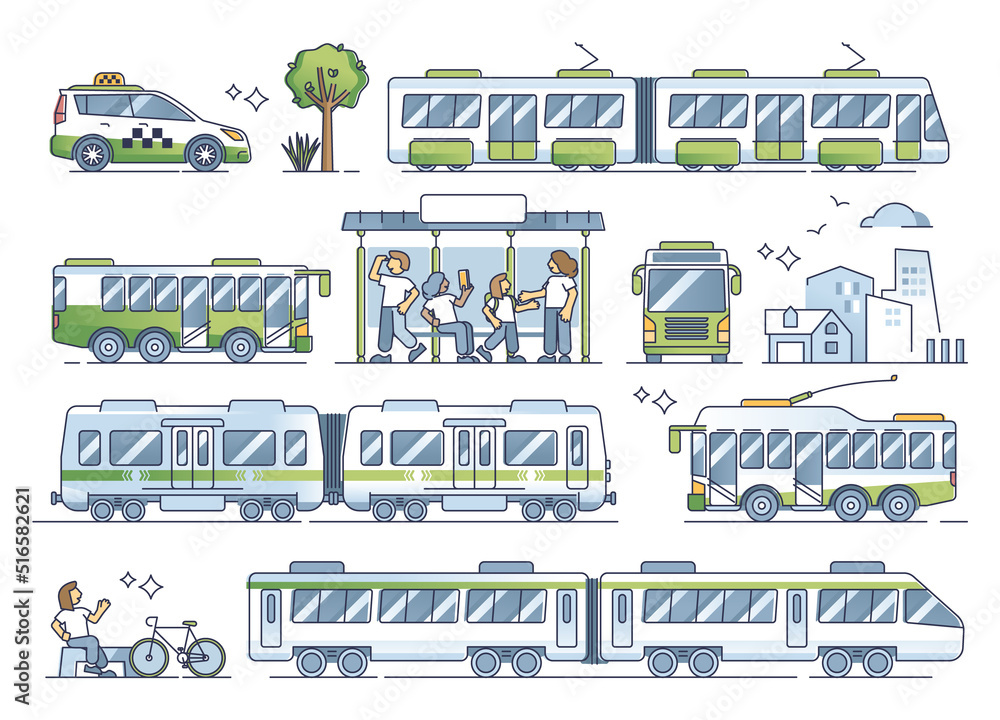
Buses are a vital part of public transport systems worldwide. They carry many passengers on fixed routes. Buses help reduce traffic and pollution in busy cities. Different types of buses serve various needs and areas. Each type offers unique features and benefits for commuters.
City Buses
City buses operate on regular urban routes. They stop frequently to pick up and drop off passengers. These buses have multiple doors for easy boarding and exiting. They often have low floors for accessibility. City buses are designed to handle large crowds efficiently.
Double-decker Buses
Double-decker buses have two levels for passengers. They offer more seating without taking extra road space. These buses are popular in big cities and tourist areas. Passengers enjoy better views from the top deck. Double-decker buses combine capacity with comfort.
Minibuses
Minibuses are smaller and carry fewer passengers. They serve narrow streets and less crowded routes. These buses are flexible and easy to maneuver. Minibuses often operate in rural or suburban areas. They provide an affordable option for short trips.
Electric Buses
Electric buses run on batteries, producing no direct emissions. They help reduce air pollution and noise in cities. These buses often have modern designs and quiet engines. Electric buses are becoming common in many urban areas. They support cleaner and greener public transport.

Credit: www.dreamstime.com
Trains
Trains are an essential part of public transport. They move many people quickly and safely across cities and countries. Different types of trains serve different needs. Some focus on short trips, while others cover long distances at high speed. Trains offer a reliable way to travel without traffic jams. They also help reduce pollution by carrying many passengers at once.
Commuter Trains
Commuter trains connect suburbs to city centers. They run mostly during rush hours. These trains help workers reach their jobs on time. They have many stops but cover a large area. Commuter trains are usually slower than express trains. They provide affordable and frequent service for daily travelers.
High-speed Trains
High-speed trains travel very fast on special tracks. They connect major cities far apart. These trains can reach speeds over 300 km/h. Passengers save hours compared to driving or regular trains. High-speed trains offer comfort with smooth rides and modern seats. They are a popular choice for long-distance travel.
Light Rail
Light rail trains run within cities or towns. They are smaller and lighter than regular trains. Light rail often shares roads with cars and buses. These trains stop frequently and serve local neighborhoods. They help reduce traffic by offering easy access to public transport. Light rail is quieter and uses less energy.
Subways
Subways are underground trains in big cities. They avoid street traffic by running below ground. Subways have many stations close to each other. They move large numbers of people quickly across urban areas. Subways run all day and night in some cities. They are a fast and efficient way to travel downtown.
Trams And Streetcars
Trams and streetcars play a big role in city transport. They run on tracks and carry many passengers at once. These vehicles help reduce traffic and pollution. Cities worldwide use them for fast and easy travel.
Modern Trams
Modern trams are sleek and quiet. They use electric power, which is clean and efficient. These trams have low floors for easy boarding. Many have air conditioning and Wi-Fi. They stop frequently, helping people reach their destinations quickly. Modern trams often connect suburbs to city centers. They run on dedicated tracks, avoiding traffic jams.
Historic Streetcars
Historic streetcars bring a nostalgic charm to cities. They look vintage with wooden seats and brass handles. Many cities keep them for tourists and special events. These streetcars run slower but offer a unique travel experience. Riding one feels like stepping back in time. They remind us of the early days of public transport.
Credit: stock.adobe.com
Ferries And Water Taxis
Ferries and water taxis provide unique ways to travel across water. They connect islands, cross rivers, and offer scenic routes. These vehicles are vital in cities with many waterways. They help reduce road traffic and offer a relaxed travel option. Let’s explore different types of ferries and water taxis.
Passenger Ferries
Passenger ferries carry people over rivers, lakes, and seas. They often serve busy routes between cities or islands. Many ferries can carry hundreds of passengers at once. Some also allow bicycles or small vehicles. These ferries run on fixed schedules and set routes. They are a reliable option for daily commuters and tourists alike.
Water Taxis
Water taxis are small boats that carry a few people at a time. They offer flexible routes and on-demand service. Water taxis are common in coastal cities and tourist spots. They provide quick trips across short distances on water. Many water taxis can navigate narrow canals and crowded harbors easily. This makes them perfect for short, personalized rides.
Cable Ferries
Cable ferries move by pulling along cables fixed to the shore. They are often used on short river crossings. Cable ferries carry passengers, bicycles, and even cars. They are simple and energy-efficient vehicles. These ferries do not need engines to move. Instead, they use the current or small motors to pull along the cable. Cable ferries are common in rural or less busy areas.
Taxis And Ride-sharing
Taxis and ride-sharing services form a vital part of urban transport. They offer flexible and direct travel options. These services fill gaps where public buses or trains might not reach easily. Many people rely on them for quick trips or late-night rides. Understanding the types helps choose the best option for your journey.
Traditional Taxis
Traditional taxis have been around for decades. They usually wait at taxi stands or roam busy streets. Passengers can hail them directly. These taxis have meters that calculate the fare based on distance and time. Drivers are often licensed and must follow local regulations. This ensures safety and fair pricing.
Ride-hailing Services
Ride-hailing services use smartphone apps to connect drivers and riders. Users book a ride with just a few taps. These services offer cashless payments and real-time tracking. Prices may vary depending on demand and distance. Drivers use their own cars and work flexible hours. This model has grown rapidly in many cities worldwide.
Shared Rides
Shared rides allow multiple passengers to share a single vehicle. Each rider pays less compared to solo trips. Passengers often have similar routes or destinations. This option reduces traffic and pollution. Apps match riders going the same way. It’s an affordable and eco-friendly choice for daily commuters.

Credit: vocaberry.com
Cable Cars And Gondolas
Cable cars and gondolas offer unique ways to travel. They run on cables above the ground. These vehicles are popular in cities and mountains. They help people move quickly over obstacles like rivers or hills. Both types provide scenic views and a smooth ride. They use strong cables and special stations for boarding.
Urban Cable Cars
Urban cable cars connect parts of a city. They cross busy roads, rivers, or rough terrain. These cars help reduce traffic jams. Many cities use them for short trips. They are safe and eco-friendly. Passengers enjoy clear views of the cityscape. Urban cable cars run on fixed schedules. They carry many people at once. They often link with other public transport systems.
Mountain Gondolas
Mountain gondolas carry people up steep slopes. They are common in ski resorts and hiking areas. Gondolas provide easy access to high places. They protect riders from weather like rain or snow. Each cabin holds several passengers. Gondolas move slowly to let riders enjoy views. They run continuously, making travel smooth. Mountain gondolas also help transport goods. They are vital in places hard to reach by road.
Electric Scooters And Bikes
Electric scooters and bikes offer a fresh way to move around cities. They are fast, clean, and easy to use. Many people choose them for short trips or to avoid traffic jams. These vehicles run on batteries, which means no pollution and less noise. They also help reduce the number of cars on the road.
Electric scooters and bikes fit well into public transport systems. They work great for the last mile—the distance between transit stops and final destinations. Let’s explore two popular forms: e-scooter sharing and bike-sharing programs.
E-scooter Sharing
E-scooter sharing lets people rent scooters for short rides. You find a scooter using a smartphone app. Then, unlock it and ride to your destination. After the ride, you park the scooter in allowed spots. This system is flexible. You pay only for the time you use the scooter.
E-scooters are ideal for quick trips. They help avoid traffic and save time. Many cities have rules to keep rides safe. Riders must wear helmets and follow road signs. E-scooter sharing grows in popularity worldwide.
Bike-sharing Programs
Bike-sharing programs offer public bikes for rent. You can pick up a bike at one station and return it at another. These bikes can be electric or regular. Electric bikes make pedaling easier, especially uphill or on long rides.
Bike-sharing helps reduce car use and traffic jams. It promotes healthy habits and saves money. People use shared bikes for commuting, errands, or leisure. Many programs have simple apps or cards for quick rentals. This system fits well with other public transport options.
Future Trends
Public transport is changing fast. New technology and ideas shape how people travel. These future trends make transport safer, cleaner, and easier to use. They also help cities grow smarter and more connected.
Autonomous Vehicles
Self-driving buses and shuttles are becoming more common. These vehicles use sensors and cameras to move without drivers. They reduce accidents caused by human error. They can also run longer hours without breaks. This helps provide more frequent service for passengers.
Green Energy Transport
Electric buses and trams replace diesel vehicles. They produce no harmful fumes. Solar-powered and hydrogen fuel cell vehicles are also tested. These options cut pollution and lower fuel costs. Cities aim to use more green energy transport soon.
Smart Ticketing Systems
Smart cards and mobile apps make buying tickets simple. Passengers can pay quickly with a tap or scan. These systems reduce queues and paper waste. They also help transit agencies track ridership trends. This data improves schedules and services.
Conclusion
Public transport offers many vehicle types for daily travel. Each type serves different needs and distances. Buses, trains, trams, and ferries move people efficiently in cities and towns. Choosing the right vehicle can save time and money. Public transport also helps reduce traffic and pollution.
Using these options supports cleaner, healthier communities. Explore local services to find what suits you best. Public transport makes travel easier and more affordable for everyone.