
Your car’s safety depends a lot on your tires. But how do you know if your tire pressure is just right?
That’s where Tire Pressure Monitoring Systems (TPMS) come in. These systems keep an eye on your tire pressure and alert you when something’s off. But did you know there are different types of TPMS? Understanding the options can help you choose the best one for your vehicle and driving style.
Keep reading to discover the key types of tire pressure monitoring systems and how each one can protect you and your ride.
Tire Pressure Monitoring Basics
Tire pressure monitoring basics help drivers keep tires safe and efficient. Proper tire pressure improves car control and saves fuel. Low pressure wears tires faster and can cause accidents.
Monitoring systems alert drivers when tire pressure drops. These systems use sensors to track air pressure inside tires. They help prevent problems before they become serious.
Why Tire Pressure Matters
Correct tire pressure improves vehicle safety and performance. Tires with low pressure reduce fuel economy. They also increase tire wear and risk of blowouts. Proper pressure helps maintain good handling and braking. It keeps the car stable on the road. Checking tire pressure regularly saves money and lives.
How Monitoring Systems Work
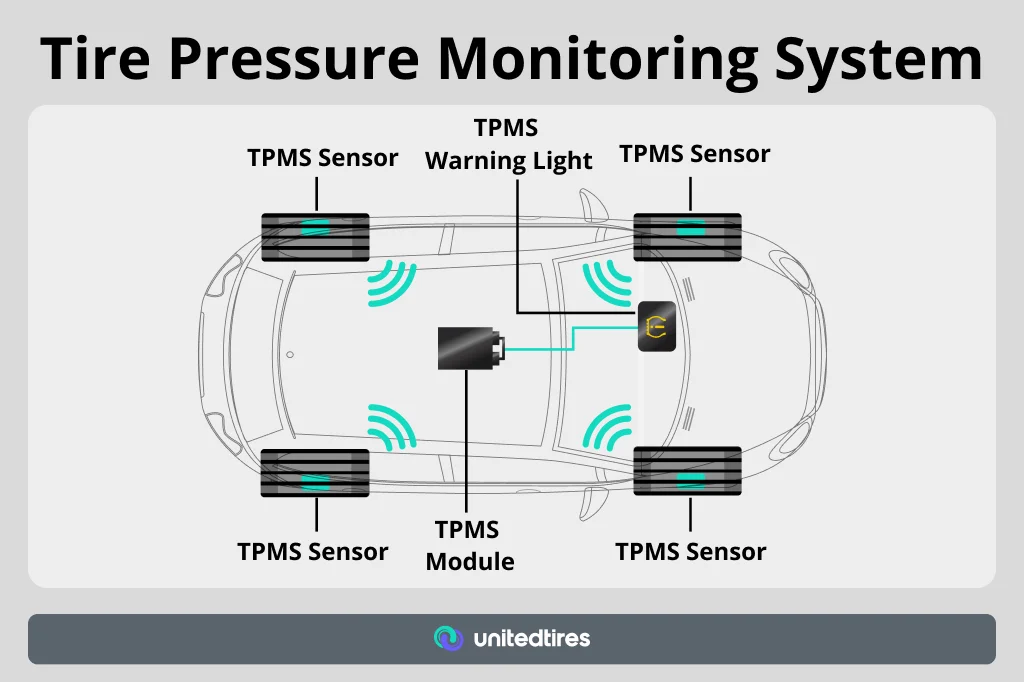
Tire pressure monitoring systems use sensors inside each tire. Sensors send pressure data to the car’s computer. The system alerts the driver with a dashboard light or sound. Some systems show exact pressure levels for each tire. There are two main types: direct and indirect systems. Direct systems use pressure sensors in tires. Indirect systems use wheel speed sensors to estimate pressure. Both types aim to keep tires in good condition.

Credit: techinfo.honda.com
Direct Tire Pressure Monitoring Systems
Direct Tire Pressure Monitoring Systems (TPMS) measure the air pressure inside each tire. These systems use sensors that send real-time data to the vehicle’s dashboard. This lets drivers know the exact pressure of every tire. It helps keep tires safe and improves fuel efficiency.
Sensor Types And Placement
Direct TPMS uses sensors mounted inside the tire. These sensors are on the wheel rim or attached to the valve stem. They constantly measure the air pressure and temperature. The sensors send this data wirelessly to a receiver in the car. Some sensors are battery-powered and last several years.
Advantages Of Direct Systems
Direct TPMS gives accurate and immediate pressure readings. It alerts drivers to low or high tire pressure quickly. This can prevent accidents caused by underinflated tires. The system helps improve tire life and fuel economy. It also supports safety by warning about sudden pressure loss.
Common Challenges
Direct TPMS sensors can be costly to replace. Sensors may fail due to battery or physical damage. Installation and maintenance require special tools and skills. Some vehicles need sensor reprogramming after tire changes. Signal interference or sensor errors can cause false alerts.
Indirect Tire Pressure Monitoring Systems
Indirect Tire Pressure Monitoring Systems (TPMS) help check tire pressure without using physical sensors inside the tires. These systems use data from existing vehicle components to estimate if tire pressure is low. They offer a cost-effective way to monitor tire health and improve safety on the road.
Using Abs Sensors For Monitoring
Indirect TPMS uses signals from Anti-lock Braking System (ABS) sensors. ABS sensors measure wheel speed during driving. When a tire loses pressure, its diameter gets smaller. This change makes the affected wheel spin faster than others. The system detects this speed difference and warns the driver.
Pros Of Indirect Systems
Indirect TPMS does not need extra sensors inside the tires. This lowers installation and maintenance costs. It works well for most regular driving conditions. The system uses existing vehicle parts, making it easy to install. It also lasts longer without battery replacements.
Limitations To Consider
Indirect TPMS cannot measure exact tire pressure values. It only detects pressure differences between tires. It may not alert the driver in case of slow leaks. The system requires driving at a certain speed to work properly. It can give false warnings if tires wear unevenly or have different sizes.
Hybrid Tire Pressure Monitoring Systems
Hybrid Tire Pressure Monitoring Systems combine two different ways to check tire pressure. They use both direct and indirect methods to give more accurate readings. This system helps drivers keep their tires safe and improve vehicle performance. Hybrid systems are becoming popular for better safety and reliability.
Combining Direct And Indirect Methods
Hybrid systems use sensors inside each tire to measure pressure directly. These sensors send real-time data to the vehicle’s computer. At the same time, the system uses the ABS wheel speed sensors to check for pressure changes indirectly. The computer compares data from both methods. This helps find issues faster and with more accuracy.
Benefits Of Hybrid Systems
Hybrid systems provide more precise pressure readings than single-method systems. They can detect slow leaks and sudden tire failures quickly. This reduces the chance of accidents caused by low tire pressure. Drivers get alerts that are easy to understand and trust. Hybrid systems also reduce false warnings, saving time and stress. They improve fuel efficiency by keeping tires properly inflated. This system supports better tire life and overall vehicle safety.
Aftermarket Vs. Oem Systems
Tire Pressure Monitoring Systems (TPMS) help keep your tires at the right pressure. You can choose between aftermarket and OEM systems. Each type has different features and costs. Knowing their differences helps you pick the best option for your car.
Differences In Installation
OEM TPMS comes pre-installed by the car maker. It fits perfectly with your vehicle’s design. You don’t need special tools to install it. Aftermarket systems require separate installation. This might need a professional or extra time. Some aftermarket units are easy to install yourself. Others can be complex and need technical help.
Cost Comparison
OEM systems usually cost more upfront. They are included in the price of new cars. Replacement parts for OEM can be pricey. Aftermarket TPMS options are often cheaper. They offer various price points to fit your budget. You can find affordable units that still work well. Keep in mind, cheaper systems might need more maintenance.
Performance And Reliability
OEM TPMS is designed to work perfectly with your car. It provides accurate and consistent readings. These systems often last longer without problems. Aftermarket TPMS can vary in quality. Some offer good performance, while others may not. Check reviews and ratings before choosing aftermarket units. Reliability depends on the brand and model you buy.
Technological Innovations
Technological innovations have greatly improved tire pressure monitoring systems. These advances make monitoring easier and more accurate. Drivers can now get real-time updates and better safety features. The technology also helps save fuel and extend tire life. Below are some key innovations transforming these systems.
Wireless And Bluetooth Integration
Wireless technology allows sensors to send data without wires. Bluetooth integration connects tire sensors directly to devices. This setup removes the need for complex wiring in vehicles. It also makes installation and maintenance simpler. Drivers receive instant pressure alerts on their screens. Wireless systems improve convenience and speed of information.
Smartphone Connectivity
Many tire pressure systems now link to smartphones. Apps show pressure readings clearly and in real-time. Users get notifications if pressure drops too low or rises too high. This feature helps monitor tires on the go. It also stores historical data for easy review. Smartphone connectivity puts control in the driver’s hands.
Advanced Sensor Technologies
New sensors are more sensitive and durable than before. They detect even small changes in tire pressure and temperature. Some sensors use low power to last longer without battery changes. Others can withstand harsh weather and rough roads. These advanced sensors increase accuracy and reliability. They provide better data for safer driving decisions.
Benefits Of Tire Pressure Monitoring Systems
Tire Pressure Monitoring Systems (TPMS) offer many benefits. They help drivers keep tires at the right pressure. This improves driving safety and vehicle performance. TPMS alerts you to low tire pressure quickly. It stops problems before they start. The system also helps save money and protects the environment.
Improved Safety
Proper tire pressure is key to safe driving. TPMS warns about underinflated tires fast. This prevents accidents caused by tire blowouts. Drivers can react in time and avoid danger. It also helps maintain good vehicle control and braking.
Enhanced Fuel Efficiency
Low tire pressure makes the engine work harder. This increases fuel consumption. TPMS keeps tires at the right pressure level. It helps reduce fuel use and saves money. Better fuel efficiency means fewer trips to the gas station.
Tire Longevity
Underinflated tires wear out faster and unevenly. TPMS alerts you before damage happens. Keeping tires properly inflated extends their life. This lowers the cost of replacing tires often. Well-maintained tires improve overall driving comfort.
Environmental Impact
Proper tire pressure reduces fuel waste and emissions. Less fuel use means a smaller carbon footprint. TPMS helps protect the environment by saving energy. It supports cleaner air and reduces pollution. This benefit helps everyone on the road.
Credit: www.utires.com
Maintenance And Troubleshooting
Maintaining your Tire Pressure Monitoring System (TPMS) ensures accurate readings and safe driving. Regular checks help avoid unexpected alerts. Troubleshooting helps fix common problems quickly and keeps your system reliable.
Sensor Calibration Tips
Calibrate sensors after changing tires or rotating them. Use the car’s manual for specific steps. Drive at a steady speed for a few minutes to allow sensors to reset. Avoid rough roads during calibration. Check for warning lights on the dashboard to confirm success. Proper calibration keeps pressure readings accurate and prevents false alarms.
Common Issues And Solutions
Dead batteries cause most sensor failures. Replace sensors every 5-7 years to avoid this. Dirt or damage on sensors can block signals. Clean sensors gently with a soft cloth. A broken sensor requires replacement. If the dashboard shows error codes, reset the system following the manual. Low tire pressure warnings may appear after temperature changes; recheck tires manually. Staying alert to these problems keeps your TPMS working well.
Choosing The Right System
Choosing the right tire pressure monitoring system (TPMS) can improve your vehicle’s safety and performance. The perfect system fits your needs and matches your vehicle. This section helps you pick the best TPMS with clear points to consider.
Factors To Consider
Think about the type of TPMS: direct or indirect. Direct systems measure air pressure inside tires. Indirect systems use sensors to check wheel speed and detect pressure loss. Direct TPMS offers more accuracy but costs more. Indirect TPMS is cheaper but less precise.
Check ease of installation. Some systems need professionals, others you can install yourself. Consider the system’s alert type. Visual alerts on your dashboard are common. Some systems also offer sound alerts or smartphone notifications.
Budget And Vehicle Compatibility
Your budget limits your choices. Basic TPMS models are affordable but have fewer features. Advanced models cost more but offer extra benefits like real-time monitoring. Match the system with your vehicle type. Some TPMS work better with cars, others with trucks or SUVs.
Verify the TPMS fits your vehicle’s make and model. Some systems need specific sensors or adapters. Check product details before buying. Choosing a compatible system avoids installation issues and ensures accurate readings.
Credit: www.researchgate.net
Conclusion
Tire pressure monitoring systems help keep your driving safe and smooth. They show tire problems early, so you can fix them fast. Different types fit different cars and needs. Choosing the right system means better fuel use and longer tire life.
Regular checks with these systems help avoid accidents. Understanding these options makes your car smarter and safer. Keep your tires in good shape for peace of mind on the road. Simple tools, big benefits.