
Have you ever faced a flat tire and wondered what kind of spare tire would best fit your needs? Knowing the types of spare tires can save you time, money, and stress when you’re on the road.
Whether you’re a daily driver or someone who enjoys weekend road trips, understanding your options can make a huge difference. You’ll discover the main types of spare tires, their benefits, and which one is right for your vehicle. Keep reading—your next flat tire won’t catch you off guard again.
Credit: murraystirebargains.com
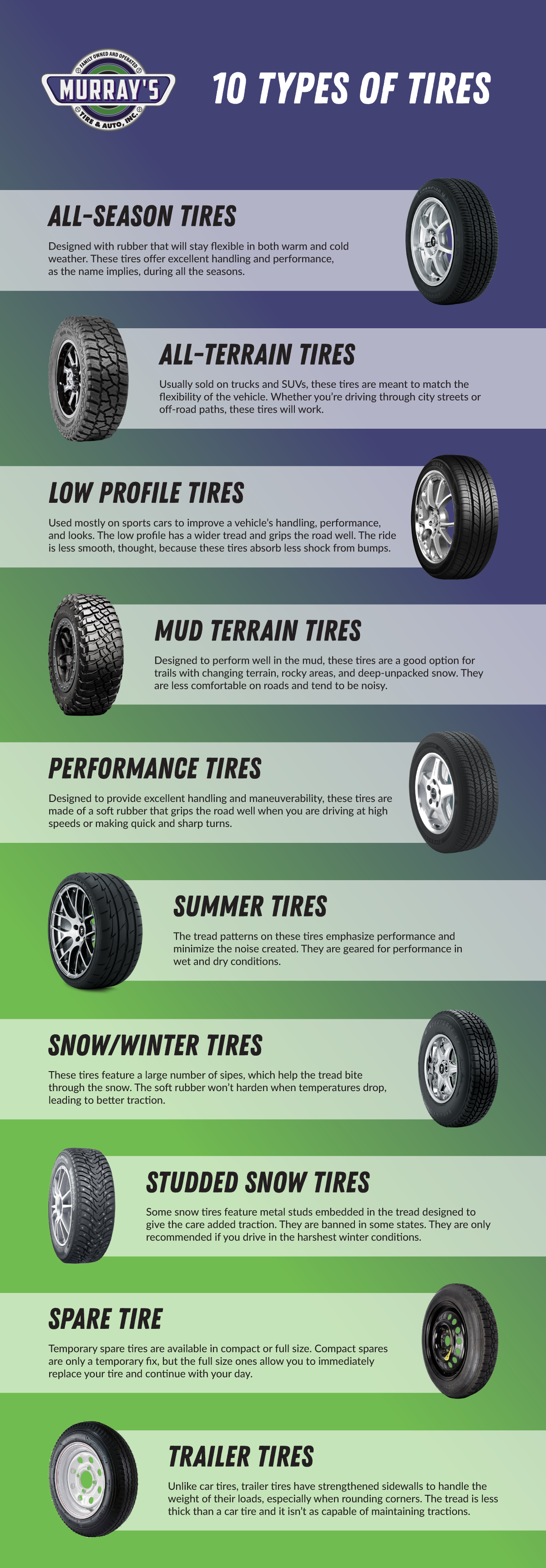
Common Spare Tire Types
Spare tires are essential for every vehicle. They help you drive safely after a flat tire. Different types of spare tires fit different needs and vehicles. Knowing these types helps you choose the right one. Here are the common spare tire types you should know about.
Full-size Spare Tires
Full-size spare tires are just like regular tires. They match the size and tread of your other tires. These spares let you drive long distances without worry. They offer the best performance and safety. But, they take more space in your car. Also, they add extra weight.
Compact Temporary Spares
Compact temporary spares are smaller and lighter. They save space in your trunk or undercarriage. These tires are for short-term use only. They allow you to reach a repair shop quickly. Their speed and distance limits are usually marked on the tire. They are cheaper than full-size spares.
Run-flat Tires
Run-flat tires keep working after a puncture. They have reinforced sidewalls to support the car. You can drive about 50 miles at low speed with these tires. They help avoid the need to change tires on the road. Run-flat tires are more expensive than normal tires.
Space-saver Tires
Space-saver tires are very narrow and lightweight. They occupy little space and are easy to store. These tires are for emergency use only. They limit your speed and distance while driving. Space-saver tires are common in small cars. They are a practical choice for saving trunk space.
Material And Construction Differences
Spare tires differ in the materials used and how they are made. These differences affect their strength, weight, and how long they last. Understanding these details helps choose the right spare tire for safety and performance.
Rubber Quality Variations
The type of rubber in spare tires can vary a lot. Some use softer rubber for better grip but wear out faster. Others use harder rubber that lasts longer but offers less traction. Higher quality rubber also resists cracking and damage from heat.
Tread Patterns And Durability
Tread patterns affect how well a spare tire grips the road. Deep treads provide better traction on rough surfaces. Shallow treads are common on space saver tires and are less durable. Durable treads resist wear and keep the tire safe for longer use.
Weight And Size Considerations
Spare tires come in different weights and sizes. Full-size spares match regular tires but weigh more. Compact spares weigh less and take up less space but have limits on speed and distance. Lighter tires are easier to handle but may not last as long.
Factors To Consider When Choosing
Choosing the right spare tire is important for safety and convenience. Many factors affect this choice. Understanding these helps pick the best spare tire for your needs.
Vehicle Compatibility
Spare tires must fit your vehicle correctly. Check the size and type recommended by the car maker. Using the wrong size can cause damage or poor driving. Some cars need full-size spares, others use smaller ones called space-savers.
Storage Space Limitations
Space in your car limits spare tire size. Compact cars often have less room for spares. A small, lightweight tire may fit better. Larger vehicles can hold bigger spares. Consider the space available before buying a spare tire.
Usage Frequency And Distance
Think about how often and far you might drive on a spare. Some spares are for short, rare use only. Others can be used longer and for more miles. Choose a spare that matches your driving habits and needs.
Budget Constraints
Spare tires vary in price. Full-size spares cost more than compact ones. Balance quality with what you can afford. Investing in a good spare can save money later. Avoid very cheap options that may fail in emergencies.

Credit: rnrtires.com
Maintenance Tips For Spare Tires
Spare tires stay unused for long times. They need care to stay ready for emergencies. Proper maintenance keeps them safe and effective. This section covers key tips for spare tire care.
Regular Pressure Checks
Check spare tire pressure every month. Use a reliable tire gauge for accuracy. Keep pressure at the level shown on the tire or car manual. Low pressure causes poor performance and damage.
Proper Storage Practices
Store spare tires in a cool, dry place. Avoid direct sunlight and heat sources. Keep them away from chemicals and sharp objects. Store them upright to prevent flat spots.
Inspection For Wear And Damage
Look for cracks, cuts, or bulges on the tire. Check the tread depth to ensure enough grip. Replace the spare tire if you find any damage or excessive wear. Regular inspection prevents accidents and failures.
Pros And Cons Of Each Type
Choosing the right spare tire matters for safety and convenience. Each type has unique pros and cons. Understanding these helps you decide the best fit for your vehicle and needs.
Advantages Of Full-size Spares
Full-size spares match your regular tires in size and performance. They allow normal driving without speed or distance limits. You avoid handling issues and can drive safely until repair. These spares provide peace of mind on long trips. They also last longer than smaller spares.
Limitations Of Compact Spares
Compact spares save space and weight in your vehicle. They are easy to store and carry. Yet, they have speed limits, usually around 50 mph. You should only drive short distances on them. Compact spares may affect vehicle handling. They wear out faster than full-size spares.
Benefits Of Run-flat Tires
Run-flat tires let you keep driving after a puncture. You can travel up to 50 miles without changing the tire. They increase safety by reducing roadside stops. These tires eliminate the need for a spare tire. They provide a smooth ride and better control.
Drawbacks Of Space-saver Tires
Space-saver tires are very small and lightweight. They help save trunk space and reduce weight. They have strict speed and distance limits. These tires offer less grip and stability. Using them for too long may cause damage. They require quick tire repair or replacement.
Installation And Replacement Advice
Knowing how to install and replace spare tires keeps you safe on the road. It helps you avoid getting stuck far from help. This section offers clear advice for handling spare tires with confidence.
When To Use Your Spare Tire
Use your spare tire only after a flat or damaged tire. Drive slowly and carefully on the spare. It is not made for long distances or high speeds. Replace the damaged tire as soon as possible.
Professional Vs. Diy Installation
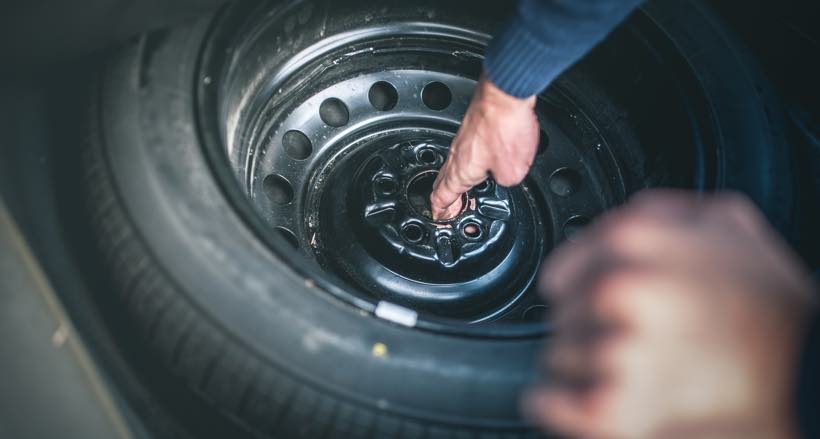
Many people can install a spare tire themselves. You need a jack, wrench, and some strength. Follow your car’s manual step-by-step. Professionals have the tools and skills for quick, safe installation. Choose a professional if you feel unsure or unsafe.
Replacing Spare Tires After Use
Spare tires wear out or get damaged too. Replace your spare after you use it. Check its pressure and condition regularly. A weak or old spare won’t help in emergencies. Keep your spare ready for the next time.
Credit: www.quicklane.com
Conclusion
Knowing the types of spare tires helps you stay prepared on the road. Each type has its own use and limits. Choosing the right spare tire can save time and trouble. Keep your spare tire in good condition and check it often.
Being ready with the correct spare tire means safer and smoother trips. Remember, a proper spare tire is a small step toward big peace of mind.