
When it comes to keeping your home warm and cozy, choosing the right radiator makes all the difference. But with so many types of radiators out there, how do you know which one fits your space and needs best?
Whether you want something stylish, energy-efficient, or easy to maintain, understanding the options can save you time, money, and frustration. You’ll discover the main types of radiators and what makes each one unique—helping you make a confident choice for your home’s heating.
Ready to find the perfect radiator for you? Let’s dive in.
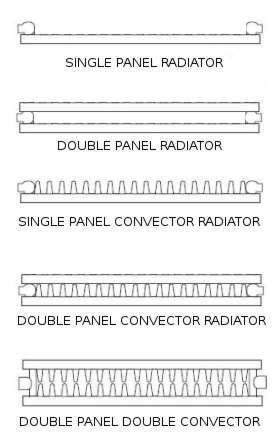
Credit: gasboilerforums.com
Common Radiator Types
Radiators come in different types, each designed to fit various spaces and heating needs. Understanding the common radiator types can help you choose the right one for your home. These radiators vary in style, size, and heating efficiency.
Panel Radiators
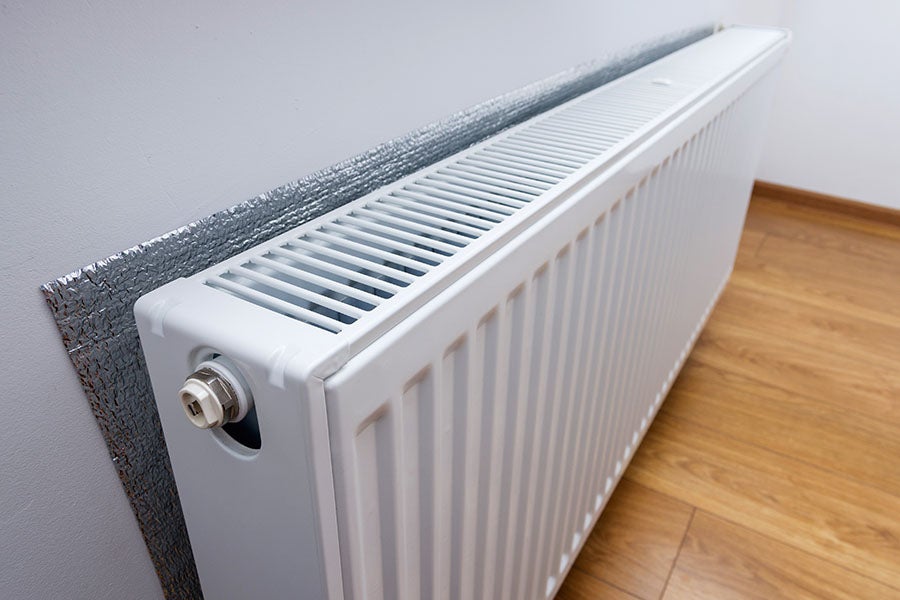
Panel radiators are the most popular choice for homes. They have a flat surface that quickly heats up a room. These radiators fit well under windows and walls. They are easy to clean and come in many sizes. Panel radiators work well with modern heating systems.
Column Radiators
Column radiators have a classic look with vertical tubes or columns. They provide strong heat and look stylish in traditional homes. These radiators hold a lot of hot water, making them good for large rooms. Column radiators can be painted in different colors to match your decor.
Baseboard Radiators
Baseboard radiators run along the base of the wall. They use convection to heat the air around them. These radiators are low-profile and do not take up much space. Baseboard radiators are quiet and provide steady warmth. They are a good choice for hallways and small rooms.
Towel Radiators
Towel radiators are designed for bathrooms. They keep towels warm and dry while heating the room. These radiators are usually slim and mounted on the wall. Towel radiators add comfort and prevent dampness in wet areas. They come in many styles to suit different bathroom designs.
Material Choices
Choosing the right material for radiators affects heat output and style. Different materials offer unique benefits. Understanding these helps pick the best option for your home.
Steel Radiators
Steel radiators heat up quickly and cool down fast. They are lightweight and fit well in modern homes. These radiators often have sleek, simple designs. Steel resists corrosion but needs care to avoid dents.
Cast Iron Radiators
Cast iron radiators hold heat longer than steel. They release warmth slowly, keeping rooms cozy for hours. These radiators have a classic look, ideal for traditional homes. They are heavy and very durable.
Aluminum Radiators
Aluminum radiators heat up very fast, offering quick warmth. They are light and easy to install. This material resists rust and can save energy. Aluminum radiators often come in modern, stylish designs.
Heat Output And Efficiency
Understanding heat output and efficiency is key to choosing the right radiator. Heat output tells you how much warmth a radiator can give off. Efficiency shows how well it uses energy to produce heat. Both affect your home’s comfort and energy bills.
Btu Ratings Explained
BTU stands for British Thermal Unit. It measures heat output. One BTU is the energy needed to raise one pound of water by one degree Fahrenheit. Radiators with higher BTU ratings produce more heat.
BTU ratings help match the radiator to your room size. Bigger rooms need radiators with higher BTUs. A small radiator will not warm a large room well. Check BTU ratings before buying to ensure proper heating.
Energy Efficiency Factors
Efficiency depends on the radiator’s design and material. Some materials hold heat longer, saving energy. Radiators that heat quickly reduce wasted energy. Thermostatic valves also help control heat output.
Proper installation affects efficiency too. Radiators placed under windows lose more heat. Insulating walls and pipes boosts overall efficiency. Choosing the right radiator can lower heating costs and keep your home cozy.
Design And Aesthetics
Radiators are not just for heating a room. Their design and look play a big role in home decor. Choosing the right radiator can add style and charm to any space. It is important to consider both how it fits the room and its visual appeal. Radiators come in many designs, from sleek modern to classic traditional styles. There are also many ways to customize them to match personal taste and room style.
Modern Vs Traditional Styles
Modern radiators often have clean lines and smooth surfaces. They focus on minimalism and simplicity. These radiators fit well in modern homes and offices. They blend easily with contemporary furniture and decor. Traditional radiators have a more detailed and classic look. They often feature curves and decorative elements. These styles suit older homes or rooms with vintage decor. Both styles serve the same purpose but offer different visual impacts.
Customizable Options
Many radiators can be customized in color, shape, and size. This helps match the radiator with the room’s color scheme. Some models allow you to choose different finishes like matte or glossy. Custom panels and covers can also change the look. This makes the radiator a design feature rather than just a utility. Custom options give freedom to create a unique and personal space.
Installation Considerations
Choosing the right radiator involves more than style and size. Installation plays a big role in how well it heats your space. This section covers key points to consider before installing a radiator.
Placement Tips
Radiators work best in certain spots. Place them under windows to reduce cold air. Keep radiators away from furniture to allow heat flow. Avoid blocking radiators with curtains or blinds. Measure the wall space carefully for a perfect fit. Consider the room’s layout and traffic paths. Proper placement helps heat spread evenly and quickly.
Compatibility With Heating Systems
Radiators must match your heating system type. Check if your system uses hot water or steam. Some radiators work with electric heating only. Confirm pipe connections and sizes before buying. Using the wrong radiator can cause poor heating or leaks. Consult a heating expert for best results. Ensuring compatibility saves money and avoids problems later.
.jpg)
Credit: gas-plumbing-kent.co.uk
Maintenance And Longevity
Radiators need care to last long and work well. Regular maintenance stops small problems from growing. It keeps your home warm and saves money on repairs. Simple steps help your radiator stay efficient through many seasons.
Checking and cleaning your radiator is important. Watching for damage helps fix issues early. These actions extend the life of your heating system.
Cleaning Techniques
Dust and dirt block heat from radiators. Use a soft brush or cloth to clean them often. Vacuum with a brush attachment to reach tight spaces. Avoid water inside the radiator to prevent rust.
Cleaning fins and surfaces helps air flow better. This boosts heat output and lowers energy use. Clean radiators keep your room warm with less effort.
Signs Of Wear And Repair
Look for leaks, rust, or strange noises in radiators. Cold spots on the radiator mean trapped air inside. These signs show the radiator needs fixing or bleeding.
Loose valves or pipes can cause poor heating and water damage. Repair small problems quickly to avoid bigger repairs later. Regular checks catch wear early and keep radiators working well.
Cost Factors
Understanding the cost factors of different types of radiators helps in making smart choices. Costs vary widely depending on the type, size, and material of the radiator. Both upfront and ongoing costs affect the total expense over time.
Initial Investment
The initial investment covers the price of buying and installing the radiator. Some radiators cost more due to design or material quality. For example, cast iron radiators usually have a higher price than aluminum ones. Installation costs depend on the complexity and the need for any extra plumbing or electrical work. Choosing a basic model can save money upfront but may lack features or style.
Operational Costs
Operational costs include energy use and maintenance over time. Radiators using electricity might have higher monthly bills than water-based systems. Efficiency matters; better efficiency lowers heating bills. Maintenance costs vary; some radiators need regular bleeding or part replacement. Consider the lifespan of the radiator to avoid frequent replacements. Lower operational costs can balance out a higher initial price.
Smart Radiator Technologies
Smart radiator technologies make heating homes easier and more efficient. They save energy by adjusting heat automatically. These systems offer control and comfort without extra effort.
Smart radiators connect to your heating system and learn your schedule. They keep rooms warm only when needed. This reduces waste and lowers bills.
Thermostatic Controls
Thermostatic controls let you set the exact temperature for each room. They adjust the heat based on room conditions. This means no overheating or cooling. You can control them manually or with apps. This helps keep your home cozy and saves energy.
Integration With Home Automation
Smart radiators link with home automation systems. You can control heating from your phone or voice assistant. They work with other smart devices like lights and alarms. This creates a connected, easy-to-manage home. Scheduling heat and monitoring energy use become simple tasks.
Credit: www.homeserve.co.uk
Conclusion
Radiators come in many types, each with unique benefits. Choosing the right one depends on your home and needs. Some radiators heat quickly, while others save space or add style. Understanding these differences helps you make a smart choice. Keep comfort and efficiency in mind when selecting a radiator.
This way, your home stays warm and cozy all winter. Exploring options lets you find the best fit for your space. Radiators play a key role in home heating. Choose wisely and enjoy a warm living space.