
Are you curious about what makes your engine tick and how it controls the power your vehicle delivers? Understanding the different types of camshafts can unlock a new level of knowledge about your car’s performance.
Whether you’re a car enthusiast or just want to get the most out of your ride, knowing how camshafts work—and which type suits your needs—can make a big difference. Keep reading, and you’ll discover how these small but powerful parts shape your driving experience in ways you might never have imagined.
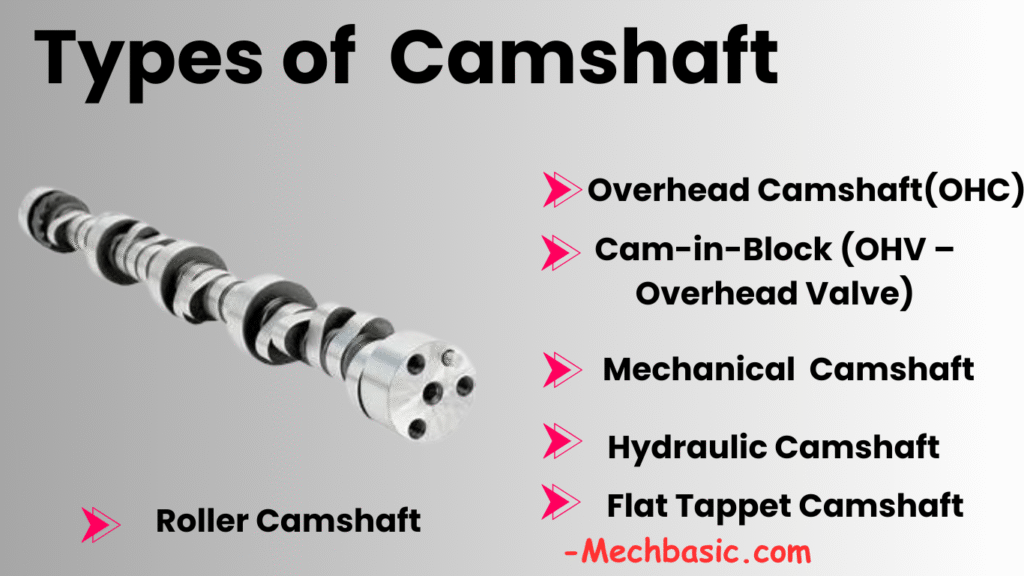
Credit: mechbasic.com
Camshaft Basics
The camshaft is a key part of any engine. It controls how the engine breathes by opening and closing valves. This process lets air in and pushes exhaust out. Understanding camshaft basics helps you know how your engine works.
The camshaft’s design affects power, fuel use, and smoothness. Different types serve different needs. Learning about the camshaft’s role and parts gives insight into engine performance.
Role In Engine Performance
The camshaft controls valve timing and lift. Timing means when valves open and close during engine cycles. Lift means how far valves open. These factors affect air flow and engine power.
Proper valve timing improves fuel efficiency. It also boosts engine power and reduces emissions. Camshafts vary for racing, daily driving, or fuel saving. Changing camshafts changes engine behavior significantly.
Camshaft Components
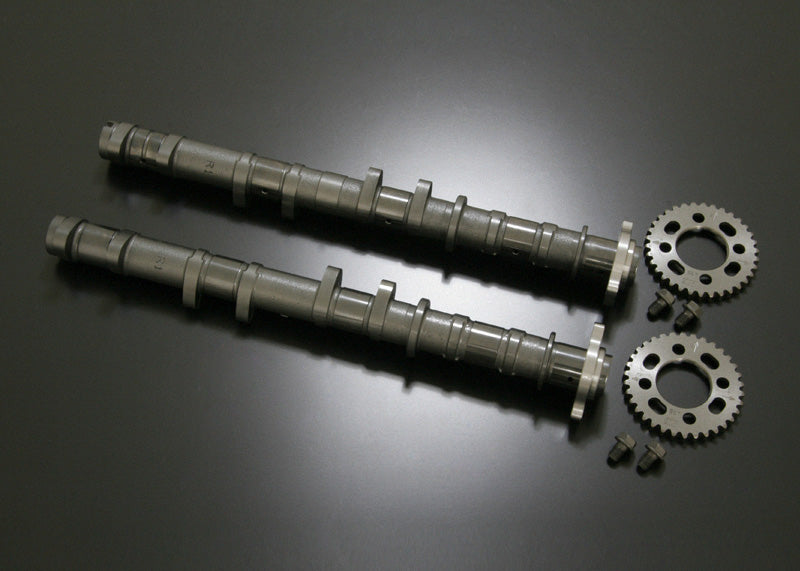
The camshaft has several main parts. The cam lobes are raised sections that push valves open. The shaft holds the lobes and spins inside the engine.
Bearings support the camshaft and reduce friction. Timing gears or chains connect the camshaft to the crankshaft. This connection keeps valve timing in sync with piston movement.
All parts must work together smoothly. Even small wear can affect engine performance. Understanding these components helps in maintenance and upgrades.

Credit: edgeautosport.com
Common Camshaft Types
Camshafts control the engine’s valve timing. They play a key role in engine performance and efficiency. There are several common types of camshafts. Each has unique features and benefits. Understanding these types helps in choosing the right camshaft for your engine.
Flat Tappet Camshafts
Flat tappet camshafts use a flat lifter to follow the cam lobe. They are simple and cost-effective. These camshafts have been used for many years. They need proper lubrication to avoid wear and damage. Flat tappets work well in many older engines.
Roller Camshafts
Roller camshafts use a roller lifter instead of a flat one. The roller reduces friction and wear on the cam lobe. This type improves engine efficiency and power. They are popular in high-performance and modern engines. Roller camshafts last longer and require less maintenance.
Solid Lifters
Solid lifters do not have any hydraulic parts. They provide precise valve control at high engine speeds. Solid lifters need manual adjustment for valve clearance. They are common in racing and performance engines. These lifters offer better engine response and durability.
Hydraulic Lifters
Hydraulic lifters use oil pressure to adjust valve clearance automatically. They reduce engine noise and need less maintenance. These lifters work well in daily driver engines. Hydraulic lifters improve smooth operation and comfort. They are widely used in modern vehicles.
Camshaft Profiles And Their Impact
The camshaft profile shapes how the engine breathes and performs. It controls valve timing, affecting power, fuel use, and engine smoothness. Small changes in the camshaft can change how the engine feels and responds. Understanding camshaft profiles helps in choosing or tuning an engine for specific needs.
Duration And Lift
Duration is how long the valve stays open. Longer duration means more air and fuel enter the engine. This can increase power at high speeds but may reduce low-speed performance. Lift is how far the valve opens. Higher lift lets in more air and fuel. It improves power but can cause more wear on parts.
Lobe Separation Angle
The lobe separation angle is the space between intake and exhaust lobes. A wider angle smooths the engine and lowers emissions. A narrower angle increases valve overlap, boosting high-speed power. This angle affects engine sound and idle quality. Changing it helps balance power and smoothness.
Overlap
Overlap is when both intake and exhaust valves are open together. It helps clear exhaust gases and fill the cylinder with fresh air. More overlap improves high-speed power but can cause rough idle. Less overlap gives smoother idle and better low-speed torque. Overlap tuning depends on engine use and goals.
Credit: www.yoshimura-rd.com
Performance Camshafts
Performance camshafts improve engine power and response. They change how valves open and close during engine cycles. This affects air and fuel flow, boosting engine efficiency and speed.
Different types of performance camshafts suit various driving needs. Each type offers unique benefits for power and performance.
High Lift Designs
High lift camshafts raise the valve higher than normal. This allows more air and fuel into the engine. More air and fuel mean more power. These cams often improve top-end performance. They work best in engines that run at high speeds.
Racing Camshafts
Racing camshafts are made for maximum engine output. They have aggressive timing and longer duration. This means valves stay open longer to allow more air. These cams boost horsepower but may reduce low-speed power. They suit track cars and drag racing engines.
Street Performance Options
Street performance camshafts balance power and daily use. They improve engine power without losing smoothness. These cams offer better throttle response and fuel efficiency. They fit well in street cars and light performance vehicles. Drivers can enjoy more power without rough idling.
Camshafts For Efficiency
Camshafts play a key role in making engines more efficient. They control the opening and closing of engine valves. This affects how air and fuel enter the engine and how exhaust leaves it. Efficient camshafts help engines use fuel better and reduce emissions. They also improve engine performance at different speeds.
Variable Valve Timing
Variable valve timing changes the timing of valve opening and closing. It adjusts based on engine speed and load. This allows better control of airflow inside the engine. The engine runs smoother and uses fuel more efficiently. It also reduces harmful emissions by burning fuel cleaner.
Cam Phasers
Cam phasers work with variable valve timing systems. They shift the camshaft position while the engine runs. This fine-tunes valve timing for different driving conditions. Cam phasers improve power delivery and fuel economy. They help the engine adapt quickly to changes in speed.
Fuel Economy Focused Designs
Some camshafts are made specifically to save fuel. They have shorter valve openings to reduce fuel use at low speeds. These camshafts improve engine efficiency during city driving. They reduce wasted fuel and increase miles per gallon. Fuel economy camshafts also help lower engine wear over time.
Materials And Manufacturing
Camshafts play a key role in engine performance and durability. Their materials and manufacturing methods affect how they work and last. Understanding these aspects helps you appreciate camshaft design and function.
Steel Vs. Cast Iron
Steel camshafts offer high strength and wear resistance. They handle high stress and heat better than cast iron. Cast iron camshafts are cheaper and easier to produce. They suit engines with lower performance demands. Steel lasts longer but costs more. Cast iron is common in everyday vehicles.
Camshaft Grinding Techniques
Grinding shapes the cam lobes precisely. This process affects valve timing and engine power. Modern grinding uses CNC machines for accuracy. Camshafts can be ground in one or multiple steps. Proper grinding reduces friction and improves smoothness. It ensures the camshaft matches engine specs exactly.
Coatings And Treatments
Coatings protect camshafts from wear and corrosion. Common coatings include nitriding and phosphate. These treatments harden the surface and extend life. They also reduce friction between cam and lifters. Heat treatments improve metal strength and toughness. Together, coatings and treatments boost camshaft performance.
Selecting The Right Camshaft
Selecting the right camshaft is crucial for your engine’s performance. The camshaft controls how the engine breathes and runs. Choosing a camshaft that matches your engine goals and fits your setup ensures better power and efficiency. This section helps you understand what to consider when picking a camshaft.
Matching Engine Goals
Think about what you want from your engine. Do you want more power at high speeds or better fuel efficiency? Different camshafts affect engine power in different ways. A camshaft with longer duration and higher lift helps at high RPMs. A milder camshaft improves smoothness and fuel economy. Match the camshaft profile to your driving style and needs.
Compatibility Considerations
Check if the camshaft fits your engine model. Some camshafts only work with specific engines or valve setups. Also, consider the type of lifters and timing components you have. Wrong compatibility can cause poor performance or engine damage. Confirm that the camshaft matches your engine’s make, model, and setup before buying.
Installation Tips
Install the camshaft carefully to avoid damage. Use the right tools and follow the manufacturer’s instructions. Make sure to set the timing correctly for the camshaft. Improper installation can cause engine misfires or failure. If unsure, seek help from a professional mechanic. Proper installation ensures your camshaft works as expected.
Conclusion
Choosing the right camshaft affects engine performance and efficiency. Different types suit different needs and engines. Understanding camshaft types helps make better decisions for repairs or upgrades. Each type changes how the engine breathes and runs. Simple knowledge can improve how your vehicle performs daily.
Keep these basics in mind when dealing with camshafts. The right choice leads to smoother rides and better power. Always match camshaft type to your engine’s purpose.