
Choosing the right tires for your SUV can make all the difference in how your vehicle handles on the road. You want tires that fit your driving style, weather conditions, and the type of terrain you face.
But with so many options out there, it’s easy to feel overwhelmed. This guide will help you understand the different types of SUV tires, so you can pick the perfect set that keeps you safe, comfortable, and confident every time you hit the road.
Keep reading to discover which tires match your needs and why they matter more than you might think.
All-season Suv Tires
All-season SUV tires suit many drivers. They balance performance across different weather types. These tires provide a mix of grip, durability, and comfort. Drivers get reliable traction on dry, wet, and light snowy roads. These tires often come as original equipment on SUVs.
Features And Benefits
All-season SUV tires have tread patterns that work well year-round. They use rubber compounds that stay flexible in many temperatures. These tires reduce road noise for a quiet ride. They offer good mileage, lasting many miles before replacement. The design helps with water evacuation to lower hydroplaning risk.
Ideal Driving Conditions
These tires work best in moderate climates. They handle dry and wet roads with ease. Light snow or slush causes no major issues. They are not for heavy snow or ice. All-season tires suit daily commuting and family trips. They fit well for urban and suburban driving.
Popular Models
Some top all-season SUV tires include the Michelin Defender LTX M/S. The Goodyear Assurance WeatherReady also ranks high. Bridgestone Dueler H/L Alenza Plus offers strong performance. Continental CrossContact LX25 is known for comfort. These models blend safety and long wear well.
Mud-terrain Suv Tires
Mud-terrain SUV tires are made for tough off-road conditions. These tires help SUVs move easily through mud, dirt, and rocky paths. They have strong features that give good grip and stop the vehicle from getting stuck.
These tires are popular among people who drive on rough roads or go off the beaten path. They offer better control and safety in muddy places. Mud-terrain tires also look rugged and add a tough appearance to SUVs.
Design Characteristics
Mud-terrain tires have deep and wide tread patterns. The large tread blocks create space for mud to escape. This stops mud from sticking to the tire and losing grip.
The sidewalls are thick and strong. They protect the tire from cuts and punctures on sharp rocks. The tires often have reinforced shoulders for extra toughness.
Off-road Performance
These tires provide excellent traction on muddy and loose surfaces. They dig deep into soft ground for better hold. The strong sidewalls help in rocky and uneven terrain.
Mud-terrain tires can handle steep hills and slippery surfaces. They reduce the chances of slipping and sliding off the path. These tires are made to work well in harsh off-road conditions.
Pros And Cons
Pros include strong grip on mud, dirt, and rocks. They resist damage from rough terrain. Mud-terrain tires improve safety in off-road driving.
Cons are that they can be noisy on paved roads. They may wear out faster than regular tires. Fuel efficiency can drop due to their heavy design.
All-terrain Suv Tires
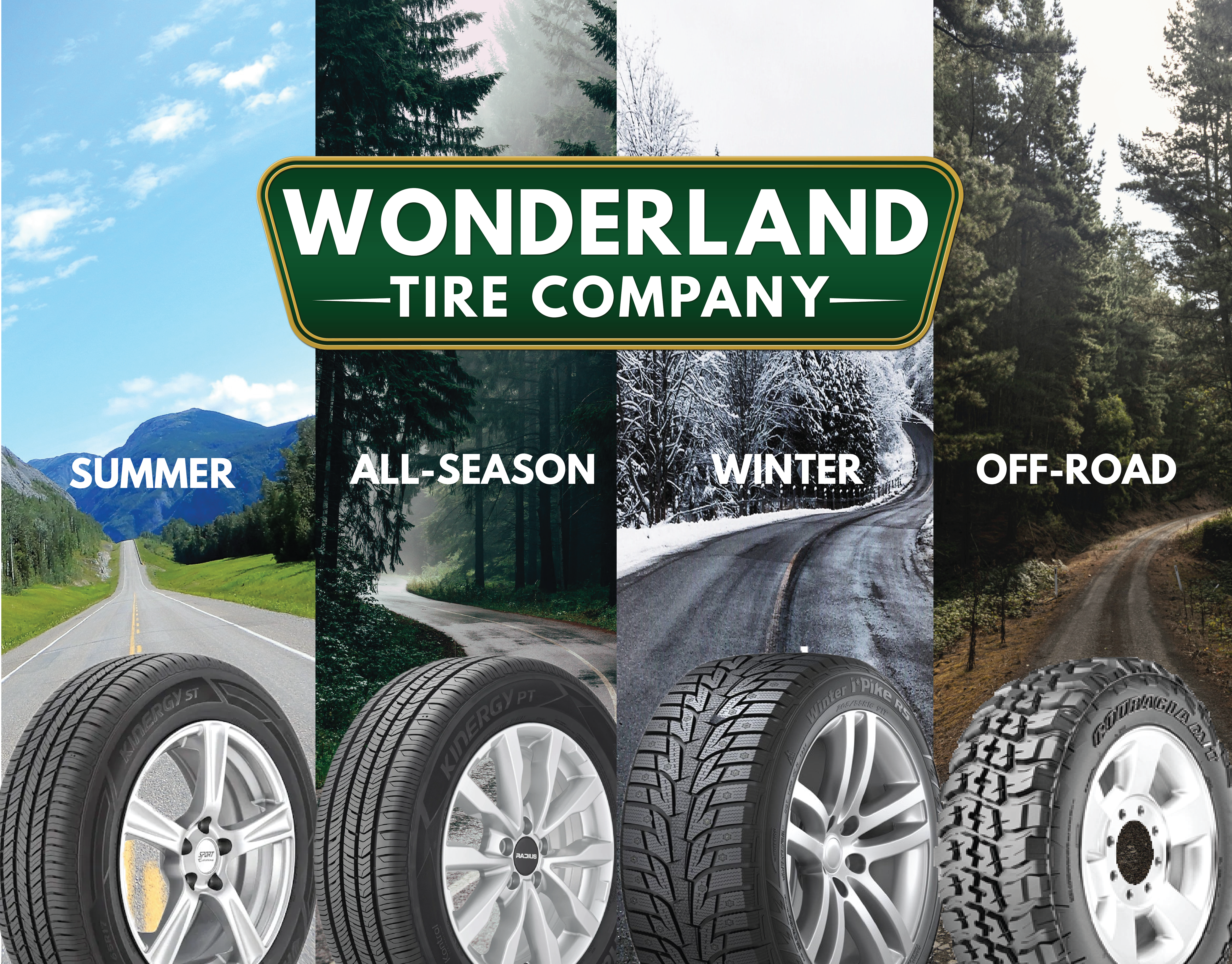
All-terrain SUV tires offer a balanced performance for both road and off-road driving. They are designed to handle different surfaces, making them a popular choice for many SUV owners. These tires provide good traction on highways, dirt roads, and light trails. Their durability and grip make them reliable in various weather conditions. Choosing all-terrain tires helps drivers stay prepared for unexpected road changes.
Versatility On And Off Road
All-terrain tires work well on paved roads and rough paths. They provide stability on highways and grip on dirt or gravel. These tires adapt to changing surfaces without needing a swap. Drivers can switch from city streets to outdoor trails with confidence. The versatility reduces the need for multiple tire sets. This makes them ideal for daily use and adventure trips.
Tread Patterns
The tread pattern on all-terrain tires features deep grooves and wide lugs. These designs help push away mud, snow, and water. The pattern improves traction and prevents slipping on slippery surfaces. The tread blocks are spaced to reduce noise on highways. This balance ensures a smooth and quiet ride. The durable rubber compounds resist cuts and chips from rough terrain.
Best Usage Scenarios
All-terrain tires suit drivers who split time between roads and trails. They are great for light off-roading like dirt roads and gravel paths. These tires perform well in rainy and snowy weather. They are perfect for outdoor enthusiasts who drive to campsites or parks. For urban drivers wanting occasional adventure, all-terrain tires offer peace of mind. Their reliability makes them a practical choice for many SUV owners.
Credit: retail.wonderlandtire.com
Winter Suv Tires
Winter SUV tires are made for cold weather and tough road conditions. They help drivers keep control on snow and ice. These tires have special features that make driving safer in winter.
Enhanced Traction Features
Winter SUV tires have deep treads with many small grooves. These grooves improve grip on slippery roads. The rubber stays soft in cold weather. This helps the tire stick better to ice and snow.
Snow And Ice Handling
These tires perform well on snow-covered roads. They reduce slipping and sliding. The design helps to push snow out from under the tire. This keeps the tire in contact with the road.
Maintenance Tips
Check tire pressure regularly in winter. Cold air can lower the pressure. Rotate tires to wear them evenly. Inspect tires for damage or wear often. Proper care extends tire life and safety.
Performance Suv Tires
Performance SUV tires focus on speed and control. They help SUVs drive smoothly on highways and curves. These tires improve how the vehicle grips the road. They also enhance the driving experience by making it more responsive.
Choosing the right performance tire can boost safety and comfort. These tires suit drivers who enjoy a sportier ride. They offer better handling compared to standard SUV tires.
Speed And Handling
Performance SUV tires are built for higher speeds. They provide strong traction on dry and wet roads. These tires improve cornering and braking. Their design reduces tire flex, giving better control. Drivers feel more confident at faster speeds.
Tread Design
The tread on performance tires is unique. It has fewer grooves for more contact with the road. The pattern helps water escape to avoid slipping. Tires often feature stiffer sidewalls for stability. This design balances grip and durability.
Suitable Suv Types
Performance tires fit sportier SUVs best. Crossovers and compact SUVs benefit from these tires. They suit vehicles used mainly on paved roads. These tires are not ideal for heavy off-road use. Drivers who want a smooth, fast ride choose them.
Factors Influencing Tire Choice
Choosing the right tires for your SUV depends on several key factors. These factors help ensure safety, performance, and comfort. Understanding them makes tire selection easier and more effective.
Driving Environment
Consider the roads you drive on most often. City streets, highways, or rough off-road paths require different tires. Wet or snowy conditions need tires with better grip. Dry and smooth roads allow for tires focused on comfort and fuel efficiency. Match your tires to your usual driving environment for best results.
Tire Size And Compatibility
Check your SUV’s manual for recommended tire sizes. Tires must fit your vehicle’s rims perfectly. Wrong sizes can affect handling and safety. Tire width, diameter, and aspect ratio all matter. Choose tires that match your SUV’s specifications exactly.
Budget Considerations
Set a clear budget before buying tires. High-quality tires may cost more but last longer. Cheaper options might wear out faster or offer less performance. Balance cost with quality and your driving needs. Good tires protect your SUV and save money over time.
Tips For Maintaining Suv Tires
Maintaining SUV tires is crucial for safety and performance. Proper care helps tires last longer and saves money. Simple steps keep your tires in good shape and improve driving comfort.
Proper Inflation
Check tire pressure regularly using a reliable gauge. Keep tires inflated to the recommended level found in your vehicle’s manual. Under-inflated tires wear out faster and reduce fuel efficiency. Over-inflated tires can cause uneven wear and a harsh ride. Adjust pressure before long trips or heavy loads.
Rotation And Alignment
Rotate tires every 5,000 to 7,000 miles to ensure even wear. Proper rotation extends tire life and improves handling. Get wheel alignment checked yearly or after hitting a pothole. Misaligned wheels cause uneven tire wear and can pull the vehicle to one side. Correct alignment enhances safety and tire performance.
Tread Depth Monitoring
Check tread depth regularly using a tread depth gauge or the penny test. Adequate tread ensures good traction and prevents hydroplaning. Replace tires when tread depth falls below 2/32 of an inch. Worn tires increase the risk of accidents, especially on wet or slippery roads. Keep an eye on tread to maintain optimal grip.

Credit: www.youtube.com
Credit: www.tires-easy.com
Conclusion
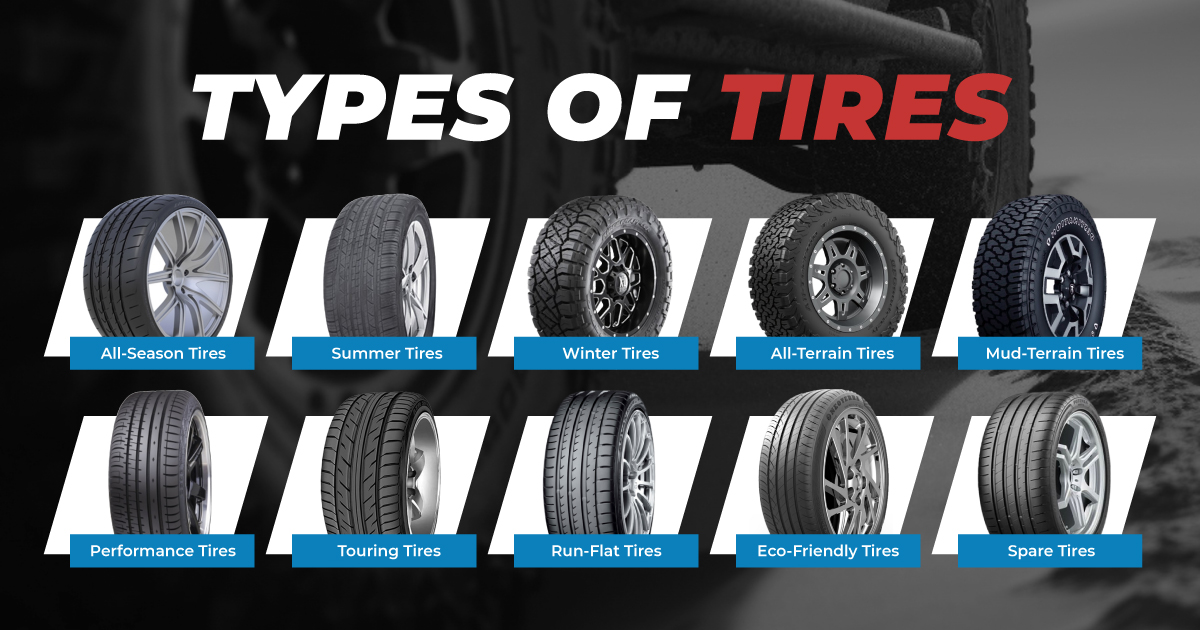
Choosing the right SUV tires improves safety and driving comfort. Different tires suit different roads and weather conditions. All-terrain tires work well off-road and on highways. Winter tires offer better grip on snow and ice. Summer tires provide smooth rides on dry roads.
Consider your usual routes before buying new tires. Proper tire care also extends their lifespan. Stay informed and pick tires that match your needs. Drive safely with the best tires for your SUV.