
Are you ready to get behind the wheel but unsure about the different types of car driving tests you might face? Knowing what to expect can boost your confidence and help you prepare better.
Whether you’re taking your very first test or upgrading your license, understanding the options will make the process smoother. Keep reading to discover the main types of driving tests and how each one works—so you can pass with flying colors and hit the road safely.
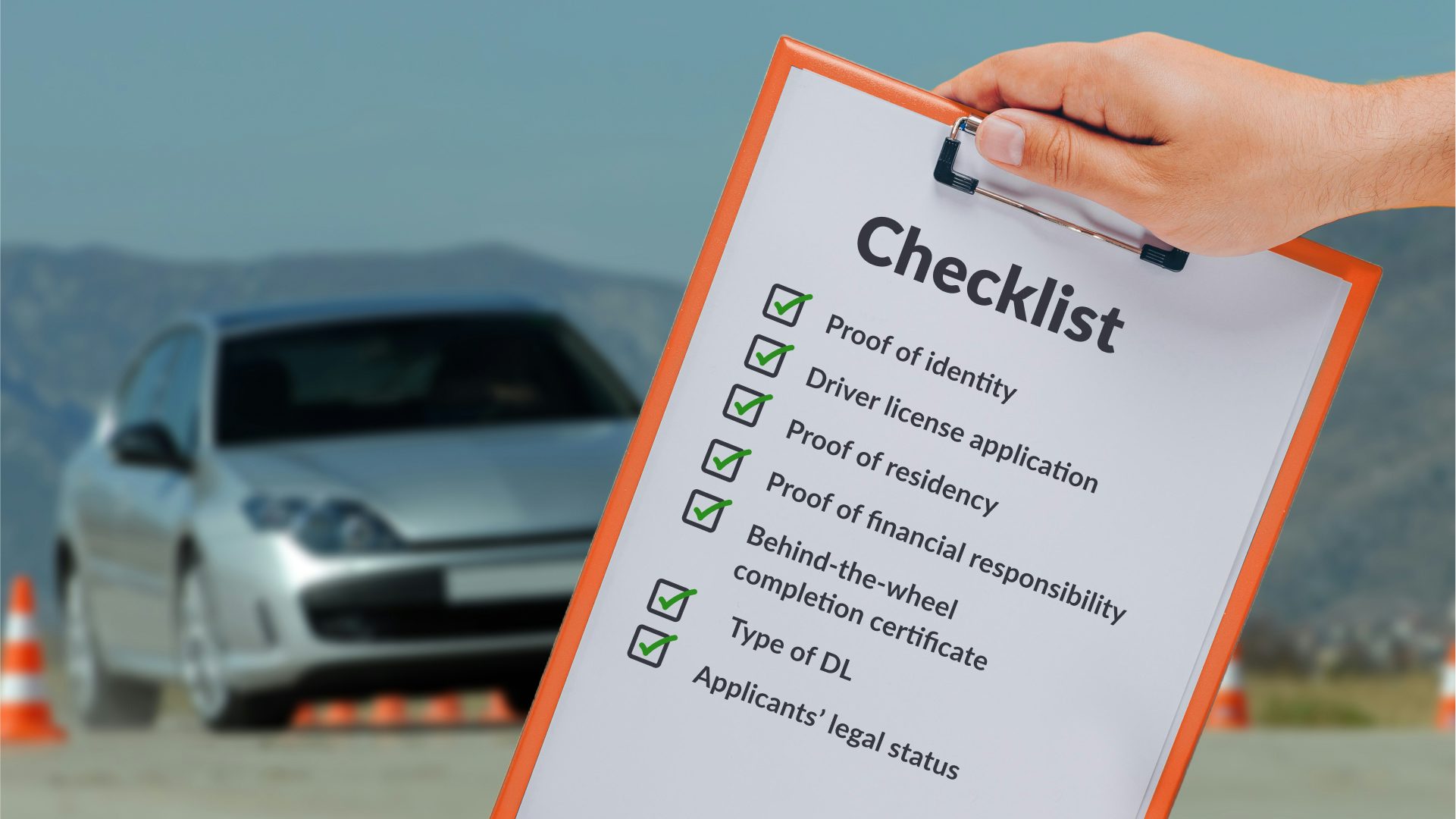
Credit: zutobi.com
Theory Test Types
The theory test is a key step in getting your driving license. It checks your knowledge of road rules and safe driving. This test has two main parts. Each part tests different skills. Understanding these parts helps you prepare better.
Multiple Choice Questions
This part has questions with several answers. You must pick the right one. Questions cover road signs, rules, and driving safety. Each question has four options. Choose the best answer to score points. This section tests your memory and understanding.
Hazard Perception Test
This part shows video clips of driving scenes. You watch closely to spot dangers. When you see a risk, click quickly. It checks how fast you react to hazards. This test helps improve your attention on the road. Practice can help you get better.
Practical Driving Tests
Practical driving tests check your ability to drive safely on real roads. They focus on your control of the vehicle and your understanding of traffic rules. These tests are important to prove you can drive confidently in everyday situations.
Standard Driving Test
The standard driving test is the most common practical test. It usually lasts 30 to 40 minutes. During this test, you will drive in different road conditions. You must show skills like turning, parking, and obeying traffic signs. The examiner watches how you handle the car and follow rules.
Automatic Transmission Test
This test is for cars with automatic gearboxes only. It is simpler because you do not need to change gears manually. The focus is on safe driving and control. You still need to show good observation and decision-making skills. Passing this test allows you to drive automatic cars legally.
Extended Driving Test
The extended driving test is longer than the standard test. It can last up to an hour. This test checks your ability to drive safely in more complex situations. It includes motorway driving and night driving. The goal is to prove you are a safe driver in all conditions.
Specialized Driving Tests
Specialized driving tests focus on specific skills or conditions. They help ensure drivers can handle unique situations safely. These tests are for particular needs or challenges on the road.
Night Driving Test
Night driving tests check your ability to drive in the dark. They test how well you see and react to low light. You need to show good control of the vehicle at night. This test helps confirm you can drive safely after sunset.
Refresher Driving Test
Refresher driving tests are for drivers who want to update their skills. They are useful after a long break from driving. This test checks if you still follow road rules well. It builds confidence before getting back on the road.
Disability Adapted Test
This test is designed for drivers with disabilities. It uses adapted vehicles or special equipment. The goal is to assess driving ability with necessary modifications. It ensures all drivers can drive safely and fairly.
Test Preparation Tips
Preparing for a car driving test takes more than just practice behind the wheel. It requires good planning and using the right tools. Proper preparation builds confidence and improves your chances of passing the test on the first try.
Study Materials And Resources
Start with the official driving handbook or manual. It explains all the rules and signs you must know. Use online videos to see how to handle different driving situations. Flashcards help memorize road signs quickly. Choose simple and clear resources to avoid confusion.
Mock Tests And Practice
Taking mock tests helps you get used to the real exam. Many websites offer free practice tests based on your local driving rules. Practice with a friend or instructor in a safe area. Repeat tests until you feel comfortable with all sections. This builds confidence and reduces surprises on test day.
Handling Test Anxiety
Nervousness can affect your driving skills. Practice deep breathing to stay calm before and during the test. Visualize yourself driving well and passing the test. Sleep well the night before and eat a light meal. Remember, staying relaxed helps you focus better on the road.
Common Mistakes To Avoid
Driving tests can be stressful. Many fail because of small mistakes. Avoiding common errors improves your chance to pass.
This section shows typical mistakes before, during, and after the test. Knowing these helps you stay calm and prepared.
Pre-test Errors
Arriving late creates a bad first impression. Plan your trip and leave early.
Not checking the car’s condition is risky. Ensure lights, brakes, and signals work well.
Failing to bring required documents wastes time. Keep your ID and test papers ready.
During The Test
Ignoring mirrors can cause accidents. Always check mirrors before moving or changing lanes.
Speeding or driving too slow confuses the examiner. Stick to the speed limits carefully.
Not using turn signals confuses other drivers. Signal every time you turn or change lanes.
Post-test Actions
Leaving the test site without asking results feels frustrating. Wait patiently for feedback.
Ignoring examiner advice misses learning chances. Listen carefully and take notes.
Not practicing after failing delays progress. Review mistakes and practice more before retesting.

Credit: www.wimbledondrivingschool.com

Credit: www.reddit.com
Conclusion
Knowing different types of car driving tests helps you prepare better. Each test checks specific skills on the road. Practice the right skills to increase your chances of passing. Stay calm and confident during the test. Remember, good driving habits keep everyone safe.
Take time to understand what each test requires. This knowledge makes the whole process less stressful. Drive carefully, follow rules, and you will do well. Keep learning and improving with every drive. Safe driving starts with proper preparation and focus.