Have you ever wondered how your car can sense obstacles or other vehicles around it? Understanding the different types of car radar systems can give you a clearer picture of how your vehicle stays safe and alert on the road.
Whether you’re curious about how adaptive cruise control works or how collision warnings keep you protected, knowing these radar systems helps you appreciate the technology behind your drive. Keep reading to discover the key types of car radar systems and how each one plays a role in making your journey safer and smoother.

Credit: typesauto.com
Radar System Basics
Car radar systems help drivers detect objects around their vehicle. They improve safety by giving early warnings. These systems use radio waves to sense distances and speeds of nearby objects. Understanding the basics of radar systems helps explain how they keep drivers alert.
How Car Radar Works
Radar sends out radio waves that bounce off objects. The system measures the time it takes for waves to return. This time shows how far the object is from the car. It also calculates the speed based on changes in the waves. This process helps the car know if another vehicle is close or moving fast.
Key Components
A radar system has three main parts. The transmitter sends out radio waves. The receiver catches waves that bounce back. The processor analyzes the data to determine location and speed. Together, these parts create a real-time picture of the car’s surroundings.

Credit: www.keysight.com
Long-range Radar
Long-range radar is a key technology in modern cars. It uses radio waves to detect objects far away. This radar helps drivers see beyond their normal view. It improves safety by tracking distant vehicles and obstacles. Long-range radar works well in different weather conditions, like fog or rain.
Features And Benefits
Long-range radar can detect objects up to 250 meters away. It provides accurate speed and distance information. The radar works in both day and night. It helps maintain safe distances between cars. This system supports adaptive cruise control and collision warnings. It reduces the risk of accidents. The radar is compact and fits well in car bumpers.
Common Applications
Long-range radar is used in many safety systems. It helps adaptive cruise control keep a steady speed. The radar alerts drivers to slow or stopped traffic ahead. It supports automatic emergency braking to avoid crashes. Some cars use it for lane change assistance. It also helps with traffic jam assist features. This radar plays a big role in driver support technology.
Short-range Radar
Short-range radar systems detect objects close to the vehicle. They work within a small distance, usually up to 30 meters. These radars use high-frequency waves to scan the immediate surroundings. This helps drivers avoid collisions in tight spaces or crowded areas.
Short-range radar is common in modern cars for safety and convenience. It supports various driver assistance features that improve urban driving. The technology plays a key role in reducing accidents in busy environments.
Typical Uses
Short-range radar systems assist with parking and low-speed maneuvers. They detect obstacles near the car, such as other vehicles or pedestrians. These radars support blind spot detection and cross-traffic alert functions. They also help with automatic emergency braking in close proximity. Their quick response time suits stop-and-go traffic situations.
Advantages In Urban Driving
Short-range radar improves safety in city traffic and crowded streets. It reduces the risk of minor collisions during parking and lane changes. The system works well in poor visibility, like fog or heavy rain. It provides real-time alerts, helping drivers react faster. These radars make driving in tight spaces less stressful and more secure.
Mid-range Radar
Mid-range radar plays a key role in car safety and driver assistance systems. It works at distances between short-range and long-range radars. This type covers the space around 30 to 100 meters ahead of the vehicle. Mid-range radar helps detect other cars, obstacles, and pedestrians in this zone.
This radar type balances speed and accuracy well. It offers a good view without too much data to process. Cars use mid-range radar for functions like adaptive cruise control and collision warning. It improves safety by monitoring the traffic just ahead and on the sides.
Balanced Performance
Mid-range radar strikes a balance between range and detail. It can see farther than short-range radar but with clearer images than long-range radar. This balance helps cars react quickly to changing road conditions. The radar detects objects with good precision at moderate distances. It supports smooth braking and steering during driving. This performance level suits many driver assistance features. It ensures the vehicle stays aware without excess sensor noise.
Integration With Other Sensors
Mid-range radar works well with cameras and ultrasonic sensors. Combining data from different sensors increases accuracy. Cameras provide visual details while radar measures speed and distance. Ultrasonic sensors help detect close objects around the car. The fusion of these sensors gives a full picture of the environment. This teamwork improves functions like lane keeping and parking assistance. Mid-range radar’s data fills gaps that cameras alone might miss. This integration boosts overall safety and driving comfort.
Adaptive Cruise Control Radar
Adaptive Cruise Control (ACC) radar is a smart system in modern cars. It helps keep a steady speed and safe distance from other vehicles. The radar uses sensors to detect cars ahead and adjusts speed automatically. This technology makes driving easier and safer, especially on highways.
Maintaining Safe Distance
The ACC radar monitors the road ahead continuously. It measures the distance between your car and the vehicle in front. If the car slows down, the system reduces your speed too. This keeps a safe gap and helps avoid collisions. You do not need to brake or accelerate manually often.
Enhancing Highway Safety
Highways can be busy and fast. ACC radar reduces driver stress by managing speed and distance. It helps prevent sudden braking and rear-end crashes. The system also supports smooth traffic flow. Drivers stay more focused and relaxed during long trips.
Blind Spot Detection Radar
Blind Spot Detection Radar helps drivers see vehicles in their blind spots. It uses radar sensors on the sides and rear of the car. These sensors scan areas that are hard to see with mirrors. The system alerts the driver if another vehicle is in the blind spot. This technology increases safety on busy roads and highways.
Detecting Hidden Vehicles
Radar sensors detect cars that are hidden from view. They cover the side and rear blind spots well. The system picks up fast-moving vehicles and slow ones too. Alerts can be visual, like a light on the mirror. Some systems also use sound or vibration warnings.
Reducing Lane Change Accidents
Blind Spot Detection Radar helps prevent crashes during lane changes. It warns drivers before they move into another vehicle’s path. This reduces side-swipe collisions and dangerous close calls. Drivers feel more confident changing lanes safely. The system supports better decisions on crowded roads.
Collision Avoidance Radar
Collision avoidance radar helps prevent crashes by detecting obstacles ahead. It scans the road and alerts the driver to potential dangers. This technology improves safety by giving drivers more time to react. Many modern cars use this radar system to reduce accidents.
Emergency Braking Support
Emergency braking support uses radar to spot sudden obstacles. It warns the driver and can apply brakes automatically. This feature reduces the risk of collisions in traffic or sudden stops. It works best in busy city driving and highways.
Pedestrian Detection
Pedestrian detection radar identifies people near or on the road. It alerts the driver to avoid hitting pedestrians. Some systems also apply brakes if the driver does not react. This helps protect pedestrians and lowers accident chances in crowded areas.
Parking Assistance Radar
Parking assistance radar helps drivers park safely and easily. It uses sensors around the car to detect objects near the vehicle. This system reduces the risk of hitting obstacles while parking in tight spaces. Drivers get clear alerts about nearby objects. Parking becomes less stressful and more precise.
Obstacle Detection
The radar sensors scan the area around the car. They spot objects that might be hard to see. These include walls, poles, and other vehicles. The system alerts the driver with sounds or visual signals. This warning helps avoid collisions during parking.
Improving Maneuverability
Parking assistance radar gives drivers better control. It guides with feedback on how close the car is to obstacles. Drivers can park smoothly without sudden stops or sharp turns. This support makes parking faster and safer. It suits all drivers, especially beginners or in crowded areas.
Future Trends In Car Radar
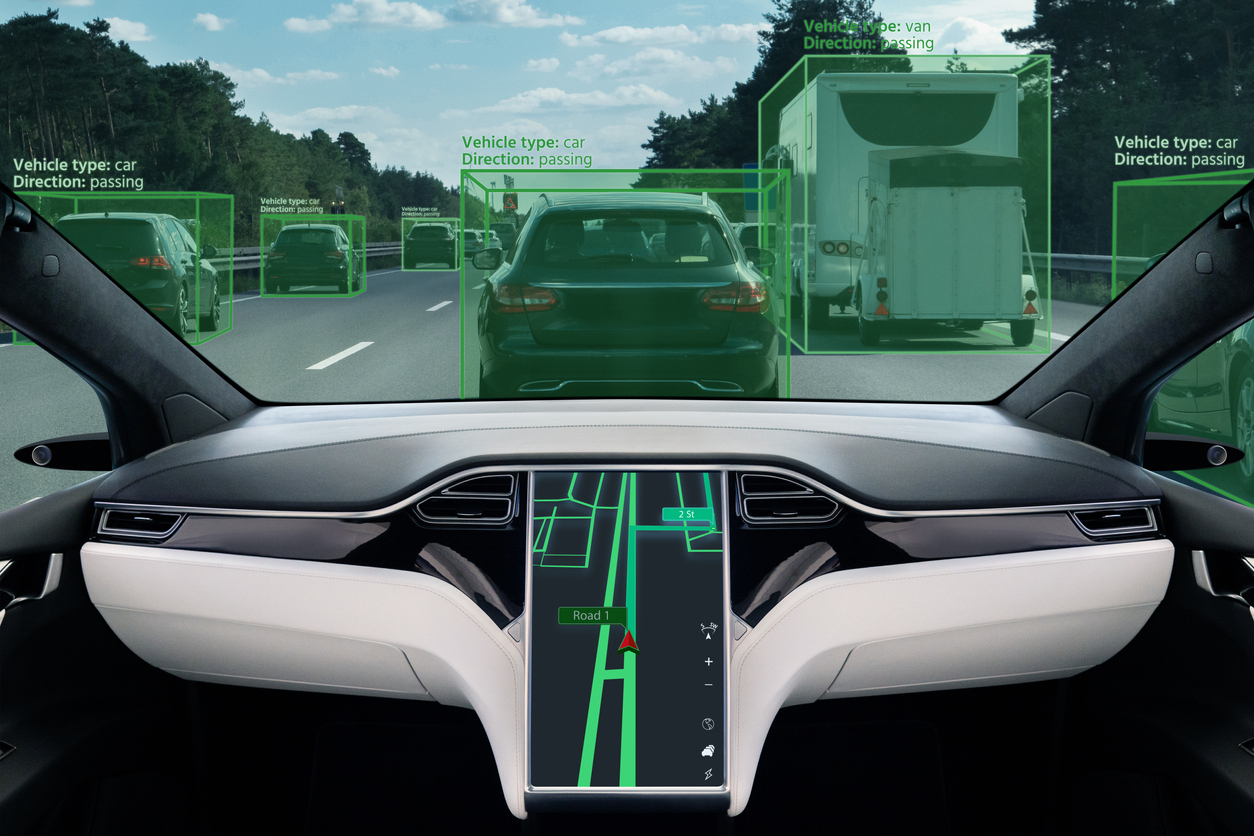
The future of car radar systems is bright and full of innovation. These systems are becoming smarter and more reliable. They will help cars detect objects better and keep passengers safe. New technologies will change how radar works inside vehicles. These changes will improve driving experience and safety.
Integration With Ai
AI will make car radar smarter and faster. It will help radar systems understand the environment better. AI can predict the movements of other cars and pedestrians. This helps cars react quickly to dangers. It also allows radar to work well in complex traffic situations. AI integration will make driving safer and easier.
Enhanced Resolution And Range
Radar systems will see farther and clearer. Higher resolution means better detection of small objects. This helps avoid accidents with cyclists or animals. Longer range lets drivers know about obstacles early. Improved radar range supports high-speed driving on highways. Cars will have a better view of their surroundings.
Credit: controlar.com
Conclusion
Car radar systems help drivers stay safe on the road. They detect obstacles and warn about possible dangers. Different types serve various purposes, like blind spot detection or adaptive cruise control. Knowing these types helps choose the right system for your needs.
Technology keeps improving to make driving easier and safer. Understanding radar systems lets you drive with more confidence and awareness. Stay informed and enjoy a safer driving experience every day.