
Have you ever stopped to think about the different sounds your car horn can make? Your car horn is more than just a loud beep—it’s a key tool for communication and safety on the road.
But did you know there are various types of car horns, each designed for a specific purpose? Understanding these can help you choose the right one for your vehicle and ensure you’re heard clearly when it matters most. Keep reading to discover the types of car horns and find out which one suits your needs best.
Credit: idaoffice.org
Common Car Horn Types
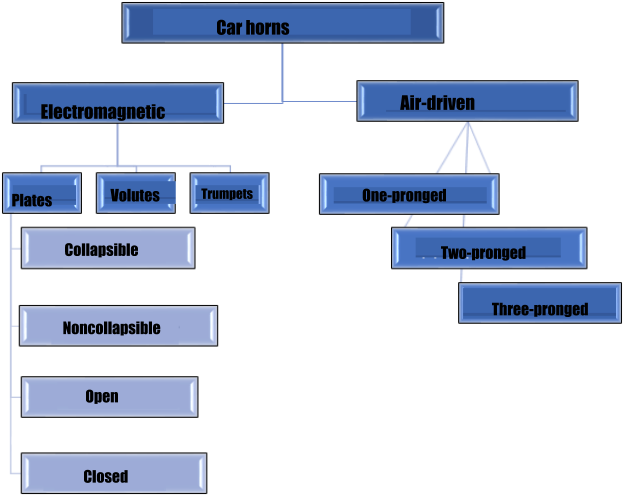
Car horns alert others on the road and prevent accidents. Different types of horns create different sounds. Each type has unique features and uses. Understanding common car horn types helps you choose the right one for your vehicle.
Some horns produce loud sounds, while others offer softer tones. The design and technology behind the horn affect its performance. Let’s explore the main types found in most vehicles.
Electromechanical Horns
Electromechanical horns use a metal diaphragm and an electromagnet. When powered, the electromagnet moves the diaphragm. This movement creates the classic honking sound. These horns are reliable and easy to repair. They are common in many cars due to their simple design.
Air Horns
Air horns use compressed air to create a loud, sharp sound. They often have a trumpet-like shape. These horns are very loud and can be heard from far away. Trucks and emergency vehicles use air horns for clear warnings. They need an air compressor to work properly.
Electronic Horns
Electronic horns use a speaker to play a recorded sound. They can mimic many types of horn sounds. These horns are compact and use less power. Some allow users to change the horn sound easily. Electronic horns are common in modern and custom cars.
Credit: ortopediapediatrica.net
Unique Horn Variations
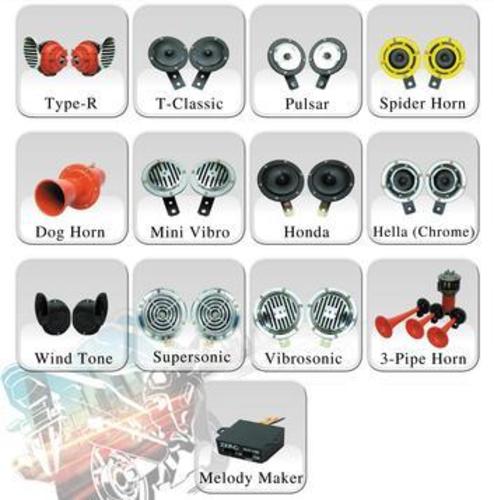
Car horns come in many unique styles beyond the basic beep. These variations add personality and fun to vehicles. Some horns blend sounds to create richer tones. Others play tunes or allow full customization. Each type offers a distinct way to catch attention on the road.
Multi-tone Horns
Multi-tone horns produce several notes at once. This creates a fuller, more noticeable sound. They often use two or more horns combined. The result is a strong, melodic beep that stands out. Drivers choose them for better safety and style.
Musical Horns
Musical horns play short songs or melodies. They replace the usual horn sound with tunes like “Happy Birthday” or holiday songs. These horns bring joy and surprise to other drivers. Many use them during special events or celebrations.
Custom Horns
Custom horns let drivers design their own sounds. They can record voices, sounds, or unique tones. This option makes the horn truly personal and unique. Custom horns fit all kinds of vehicles and driver personalities.
Sound Characteristics
Car horns have different sound characteristics that affect how we hear them. These sounds help drivers and pedestrians notice a vehicle quickly. Understanding these features can explain why some horns stand out more than others.
Pitch And Volume
Pitch is how high or low the horn sounds. Some horns have a low pitch, like a deep growl. Others have a high pitch, sharp and clear. Volume is how loud the horn is. Loud horns are easier to hear from far away. A good horn balances pitch and volume for clear warning.
Tone Patterns
Tone patterns mean the way the horn sounds change over time. Some horns have a single, steady tone. Others use a two-tone or multi-tone pattern. These patterns grab attention better than one steady beep. Changing tones help the horn sound unique and easier to recognize.
Audibility Range
Audibility range is how far the horn sound can travel. Some horns can be heard for hundreds of feet. Others might only be clear nearby. Factors like horn design and volume affect this range. A horn with a long audibility range can warn people sooner.

Credit: www.torque.com.sg
Safety Features
Car horns play a vital role in road safety. They alert drivers and pedestrians to potential dangers. Safety features in car horns ensure they work correctly without causing harm. These features focus on sound levels, emergency alerts, and overall road safety impact.
Legal Sound Levels
Car horns must meet legal sound limits. Too loud can scare or confuse people. Too soft may not warn others properly. Laws set clear rules for horn volume. Manufacturers design horns to follow these laws. This balance helps keep roads safer for everyone.
Emergency Alert Systems
Some car horns include emergency alert systems. They produce unique sounds for urgent situations. These sounds grab attention quickly. Emergency alerts help clear traffic fast. They assist emergency vehicles like ambulances and fire trucks. This feature saves time and lives.
Impact On Road Safety
Effective car horns improve road safety significantly. They prevent accidents by warning about hazards. Horns alert distracted drivers and pedestrians. Proper use of horns reduces collisions. Safety features ensure horns sound clear and reliable. This helps drivers react faster and safer.
Choosing The Right Horn
Choosing the right car horn is important for safety and convenience. The horn must suit your vehicle and driving needs. Picking the best horn helps you alert others clearly. It also fits your car’s design and electrical system. Consider your environment and how you use the horn daily.
Vehicle Compatibility
Check if the horn matches your car’s voltage. Most cars use 12-volt horns, but some trucks need 24 volts. Size matters too. The horn should fit the space under your hood. Confirm the mounting type matches your vehicle. Wiring must connect easily to avoid problems.
Purpose And Environment
Think about where you drive most often. City driving may need a softer, less loud horn. Rural or highway driving might require a stronger, louder horn. Emergency vehicles use special, loud horns for quick alerts. Choose a horn that fits your daily driving style. Sound tone matters for clear signaling.
Installation Tips
Turn off the car battery before installing the horn. Use the right tools for mounting and wiring. Follow the horn’s instructions carefully. Secure the horn firmly to avoid vibrations. Test the horn after installation to ensure it works well. Seek professional help if unsure about wiring.
Maintaining Car Horns
Keeping your car horn in good shape is important for safety. A working horn helps you alert others on the road. Regular care can stop problems before they start. It also saves money on big repairs later. Follow simple steps to maintain your car horn easily.
Regular Testing
Test your horn every week. Press the horn button and listen carefully. It should sound loud and clear. If it sounds weak or no sound at all, check the horn soon. Testing often helps find problems early. Make this a quick routine before driving.
Troubleshooting Common Issues
Sometimes the horn may not work due to simple reasons. Check the horn fuse first; a blown fuse stops the horn. Look at the wiring for loose or broken connections. Dirt and rust on the horn can block sound. Clean the horn with a soft cloth. If the horn still fails, the horn switch might be faulty.
Replacement Guidelines
Replace the horn if it sounds weak after cleaning. Also, change it if it stops working completely. Use a horn that fits your car model. Follow the car manual for proper installation. A poorly installed horn can fail or cause damage. Always choose quality parts for long-lasting use.
Conclusion
Car horns come in many types, each with a clear purpose. Some sound loud and sharp, while others are soft and musical. Choosing the right horn helps keep roads safe and alerts others well. Understanding these types makes car driving easier and more secure.
Always pick a horn that fits your vehicle and needs. Stay aware, stay safe on the road.