
Choosing the right tires for your car can feel overwhelming. You might wonder which type suits your driving style, weather conditions, or road surfaces best.
But understanding the types of car tires is key to boosting your safety, comfort, and even fuel efficiency. You’ll discover the main tire options available and how each one can make a real difference in your daily drive. Keep reading to find out which tires match your needs perfectly—and why the right choice matters more than you think.
Common Tire Types
Choosing the right tire affects your car’s safety and performance. Tires come in different types for various conditions and uses. Knowing common tire types helps you pick the best one for your needs. Each type has unique features designed for specific weather and road surfaces.
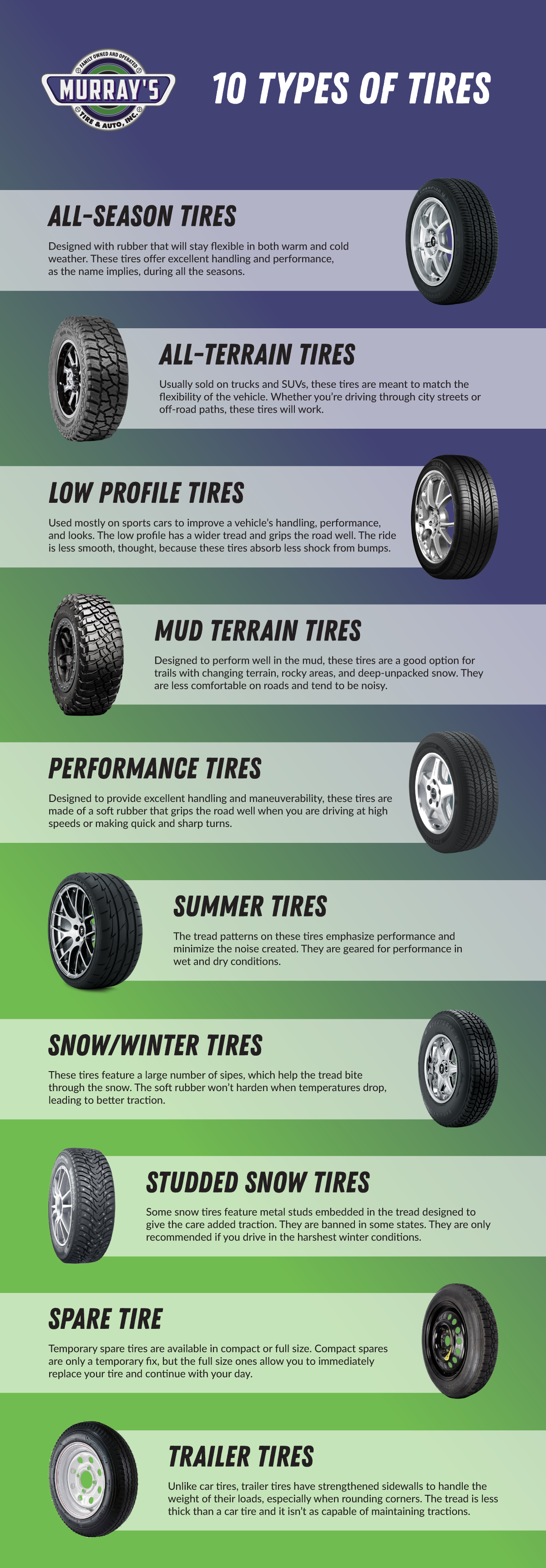
All-season Tires
All-season tires suit most weather conditions. They work well on dry, wet, and light snowy roads. These tires offer a balance of comfort and durability. They are a popular choice for everyday driving. Expect smooth rides and decent grip all year round.
Summer Tires
Summer tires perform best on warm, dry roads. Their rubber stays soft in hot weather for better grip. These tires improve handling and braking in heat. They do not work well on ice or snow. Ideal for sunny climates and sporty driving.
Winter Tires
Winter tires keep you safe on snow and ice. Their special rubber stays flexible in cold temperatures. Deep treads help grip slippery surfaces. These tires reduce slipping and increase control. Use them during cold months or in snowy regions.
Performance Tires
Performance tires focus on speed and handling. They offer better cornering and quick response. These tires have a softer rubber for more grip. They wear out faster than regular tires. Perfect for sports cars and drivers who want more control.
All-terrain Tires
All-terrain tires handle both roads and rough surfaces. They have tougher sidewalls and deep treads. These tires provide good traction off-road and on highways. Ideal for trucks and SUVs used in varied conditions. They balance comfort and rugged capability.
Credit: murraystirebargains.com
Tire Construction Varieties
Tire construction plays a key role in how a tire performs on the road. Different types of construction affect durability, comfort, and handling. Understanding the main varieties helps you pick the right tire for your car. This section explains the two most common types: radial and bias-ply tires.
Radial Tires
Radial tires have layers of fabric cords that run at 90 degrees to the tire’s direction. This design allows the sidewall and tread to work independently. Radial tires offer better road grip and fuel efficiency. They also provide a smoother ride and last longer than other types. Most modern cars use radial tires because of these benefits.
Bias-ply Tires
Bias-ply tires have fabric layers placed diagonally across each other. This creates a strong and stiff tire structure. Bias-ply tires are tougher on rough surfaces and heavy loads. They are common in older vehicles and some off-road cars. These tires tend to have a firmer ride and wear faster than radial tires.
Tread Patterns And Their Impact
Tread patterns play a key role in how tires perform on the road. They affect grip, handling, and water evacuation. Choosing the right tread pattern can improve safety and driving comfort. Each type of tread pattern suits different driving conditions and vehicle types.
Symmetrical Tread
Symmetrical tread patterns have uniform design across the tire. This pattern offers smooth driving and longer tire life. Tires with symmetrical tread are easy to rotate. They work well for everyday driving on dry and wet roads. The simple design helps reduce road noise.
Asymmetrical Tread
Asymmetrical tread patterns combine different designs on the inner and outer parts. The outer side improves cornering grip. The inner side helps with water drainage and traction. These tires provide better handling and safety. They suit drivers who want balanced performance in various conditions.
Directional Tread
Directional tread patterns have a V-shaped or arrow-like design. They channel water away quickly to reduce hydroplaning. These tires offer excellent traction in wet conditions. They also enhance straight-line stability and high-speed performance. Proper mounting is important for directional tread tires.

Credit: www.youtube.com
Factors To Consider When Choosing Tires
Choosing the right tires is important for safety and performance. Tires affect how your car handles on the road. Several factors influence the best tire choice. Consider these key points before making a purchase.
Driving Conditions
Think about the roads you often drive on. Are they smooth highways or rough trails? Tires for city roads differ from those for off-road use. Wet or slippery roads need tires with good grip. Good traction helps avoid accidents and keeps control.
Vehicle Type
Your vehicle size and weight affect tire choice. Small cars need different tires than trucks or SUVs. Heavy vehicles require stronger tires to support weight. Using the right tires keeps your vehicle balanced and safe.
Climate And Weather
Weather impacts tire performance. Winter tires work best on snow and ice. Summer tires provide better grip on dry roads. All-season tires suit mild climates but may not excel in extremes. Choose tires based on your local weather conditions.
Budget Constraints
Tires come in many price ranges. Set a budget before shopping. Cheaper tires may wear out faster. Investing in quality tires saves money on repairs. Balance cost with performance and safety.
Tire Maintenance Tips
Tire maintenance is important for safety and tire life. Proper care keeps tires working well. It also saves money on repairs and fuel. Simple steps make a big difference. Follow these tips to keep tires in top shape.
Proper Inflation
Check tire pressure often. Use a tire gauge for accuracy. Inflate tires to the recommended level. Under-inflated tires wear out faster. Over-inflated tires may cause poor handling. Proper inflation improves fuel efficiency and safety.
Regular Rotation
Rotate tires every 5,000 to 7,000 miles. This helps even out tire wear. Front and rear tires wear differently. Rotation extends the life of your tires. It also improves vehicle balance and handling.
Tread Depth Monitoring
Check tread depth regularly. Use a tread depth gauge or a coin. Worn tread reduces grip and increases stopping distance. Replace tires when tread is too low. Good tread ensures better traction and safety on roads.
Credit: www.almailemgroup.com
Signs To Replace Tires
Tires are the only part of your car that touch the road. Their condition affects safety and driving comfort. Recognizing signs to replace tires helps avoid accidents and costly repairs. Check tires often for any issues. Early detection keeps you safe and saves money.
Visible Damage
Look for cracks, cuts, or bulges on the tire surface. These damages weaken the tire structure. Any visible damage means the tire is unsafe. Do not drive long distances on damaged tires. Replace tires with any noticeable damage immediately.
Uneven Wear
Check tire tread for uneven wear patterns. Uneven wear shows alignment or suspension problems. Tires with uneven wear lose grip and stability. Rotate tires regularly to prevent uneven wear. Replace tires if the tread is worn unevenly.
Reduced Performance
Notice changes in braking distance or handling. Tires with low tread reduce traction on wet roads. Slipping or pulling to one side signals tire issues. Replace tires if performance feels worse than before. Safe driving needs good tire performance at all times.
Conclusion
Choosing the right car tires improves safety and driving comfort. Different tires suit different weather and road types. Know your needs before buying tires for best results. Proper tire care helps them last longer and perform well. Tires affect fuel efficiency and vehicle handling too.
Always check tire condition regularly to avoid problems. Good tires make every drive smoother and safer. Keep these points in mind when selecting tires for your car.