
Have you ever noticed the different styles and colors of car license plates on the road and wondered what they all mean? Your car’s license plate is more than just a number—it tells a story about where the vehicle comes from, its purpose, and sometimes even the owner’s interests.
Understanding the types of car license plates can help you make sense of these small but important details. Keep reading, and you’ll discover the key differences that make each plate unique—and why that matters to you.
Credit: www.pa.gov
Standard License Plates
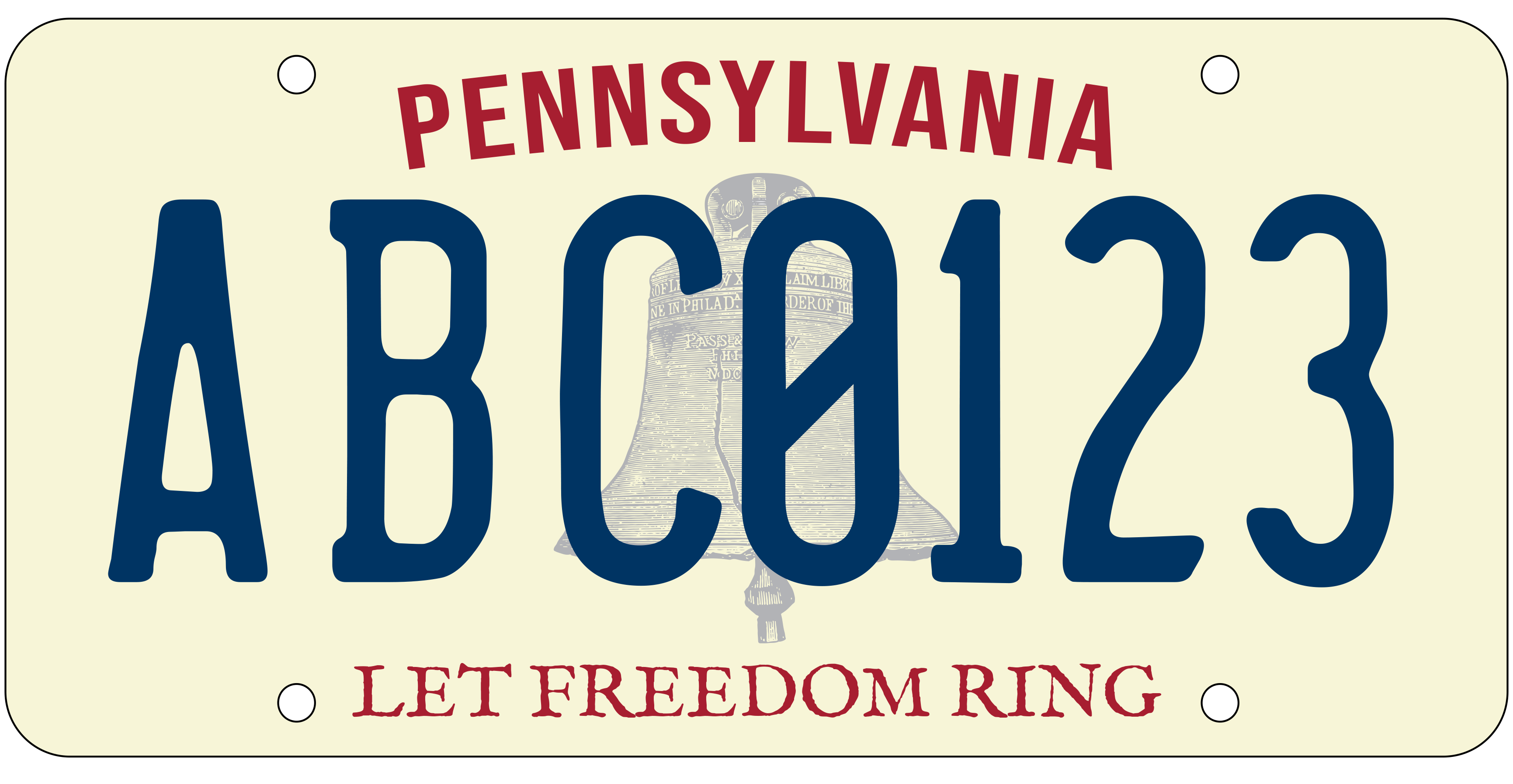
Standard license plates are the most common type of vehicle plates. Every car on the road usually has one. They serve to identify vehicles for legal and safety reasons. These plates follow specific rules for design and display. Their simplicity helps drivers and officials recognize them quickly.
Design And Features
Standard license plates have a simple layout. They show a combination of letters and numbers. The text is large and clear for easy reading. Most plates have a white or light background. The characters are often black or dark for contrast. Some plates include state names or slogans. Reflective coating improves visibility at night.
Common Materials
Most plates are made from aluminum. It is strong, lightweight, and resists rust. Some older plates use steel or plastic. Aluminum plates last longer and stay clear. The materials help the plates handle weather changes. They remain readable even in rain or sun.
Regional Variations
Designs differ by country and state. Colors, fonts, and sizes can change. Some areas add symbols or logos. Regional codes or numbers show vehicle registration locations. These differences help identify where a vehicle is from. They also reflect local culture and rules.
Personalized Plates
Personalized plates let drivers show their style on their cars. These plates have unique letters or numbers chosen by the owner. They make a car stand out and express personal identity. Many people prefer these plates for their special look and meaning.
Customization Options
Owners can pick letters, numbers, or a mix. Some states allow symbols or spaces. You can use names, nicknames, or favorite words. Some plates have special backgrounds or colors. Choices depend on state rules. Designs reflect hobbies, professions, or causes.
Application Process
Apply online or at the local DMV office. Fill out a form with your chosen plate design. Check if the design is available. Some states require a second choice. Submit your application with required documents. Wait for approval, which can take weeks.
Cost And Renewal
Personalized plates cost more than standard ones. Prices vary by state and design complexity. Some states charge an annual fee for renewal. Renewals happen with your vehicle registration. Keep track of renewal dates to avoid extra fees.
Specialty Plates
Specialty plates are unique license plates that show support for causes, groups, or interests. They often have distinct designs and colors. These plates help people express their identity or support a cause they care about. Many states offer different specialty plates to choose from. They can also help raise money for charities or programs.
Charity And Cause Plates
Charity and cause plates support nonprofit organizations or social issues. Drivers who buy these plates help raise funds for the cause. Designs often include logos or symbols related to the charity. Popular causes include animal rescue, cancer awareness, and environmental protection. These plates let people show their support while driving.
Military And Veteran Plates
Military and veteran plates honor service members and veterans. They often display branch symbols, ribbons, or special emblems. These plates recognize the sacrifices made by military personnel. Some states offer special benefits or discounts for these plates. Many veterans choose these plates to show pride in their service.
Sports And University Plates
Sports and university plates feature logos of teams or schools. Fans can display their loyalty by using these plates. Designs include college mascots, team colors, and emblems. These plates help support athletic programs and universities. Buying one often contributes money to the school’s fund.
Temporary Plates
Temporary plates are a short-term solution for vehicles without permanent license plates. They allow drivers to legally use their cars while waiting for official registration. These plates are common when buying a new or used vehicle.
Temporary plates help avoid fines and legal issues during the registration process. They provide proof that the vehicle is allowed on the road for a limited time. Understanding their rules is important for every driver.
Usage And Duration
Temporary plates are used after buying a car or before permanent plates arrive. They last from a few days to several weeks. The exact time varies by state or country. Drivers must replace them with permanent plates before expiration.
Legal Requirements
Most places require temporary plates to be visible at all times. Drivers need to carry registration or purchase documents along with the plates. Not having them can lead to fines or penalties. Some areas limit where you can drive with temporary plates.
Design Differences
Temporary plates often look different from regular plates. They use paper or cardboard instead of metal. The design usually includes the expiration date clearly. Some plates have special markings or colors to show they are temporary.
Commercial Plates
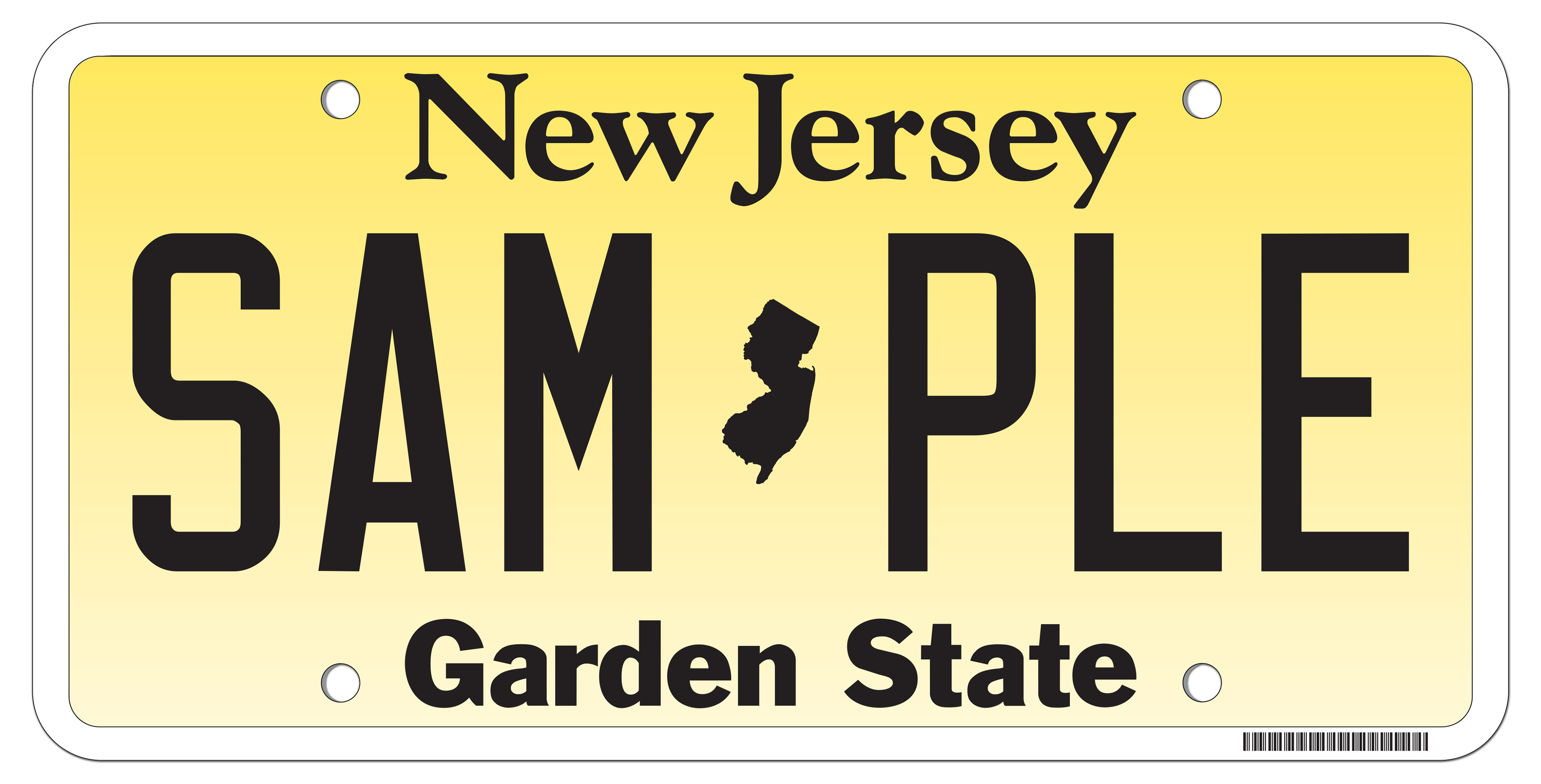
Commercial plates are special license plates for vehicles used in business. They help identify vehicles that carry goods or passengers for hire. These plates look different from regular plates and follow specific rules.
Identification Features
Commercial plates often have unique colors or codes. They may include words like “Commercial” or abbreviations. This helps law enforcement and others spot them easily. Some plates show the vehicle’s weight class or business type.
Vehicle Eligibility
Not all vehicles can get commercial plates. Usually, trucks, vans, and buses used for business qualify. Private cars used only for personal use do not. The vehicle must serve a clear commercial purpose.
Regulations And Restrictions
Vehicles with commercial plates must follow special rules. Some roads may have limits on commercial vehicles. Weight and size regulations often apply. Drivers may need special licenses for these vehicles too.
Credit: www.nj.gov
Antique And Classic Plates
Antique and classic license plates are special tags for older vehicles. They show that a car has historical value. These plates often come with unique rules and designs. They help preserve the look and feel of vintage cars. Collectors and car lovers often prefer these plates.
Many states offer these plates to celebrate automotive history. They also help owners enjoy their classic cars with some benefits. Knowing the rules can help owners use these plates correctly.
Eligibility Criteria
To get an antique or classic plate, the car must be old enough. Usually, the vehicle should be 25 years or older. The car must keep its original look. Some states allow limited use only, like for shows or parades. Owners often need to prove the car is mostly original. The vehicle should not be used for daily driving.
Design Elements
Antique and classic plates often have vintage designs. Some states copy the style from the car’s original year. Colors and fonts may match old plates for authenticity. These designs add charm and value to the car. Plates usually include words like “Antique” or “Classic” to show status.
Benefits For Owners
Owners get special privileges with these plates. They may pay lower registration fees. Insurance costs can also be reduced. These plates allow participation in classic car events. They show pride in owning a piece of history. The plates can increase the car’s value among collectors.
Government And Diplomatic Plates
Government and diplomatic license plates serve special roles on the road. They help identify vehicles linked to official government work or foreign missions. These plates look different from regular ones to show their unique status.
Such plates allow officials to perform duties with recognition and respect. They also help law enforcement quickly spot vehicles with special privileges or immunities. Each country has rules for issuing these plates to maintain order and security.
Distinctive Markings
Government plates often have clear symbols or letters. These may include “GOV,” “D,” or other codes. Diplomatic plates usually show country codes or diplomatic tags. Colors are also unique, like blue or green backgrounds. These features make the plates easy to recognize at a glance.
Access And Privileges
Vehicles with these plates get special access on roads. They may park in reserved spots near government buildings. Some enjoy immunity from regular traffic rules. This helps officials work without delays or interruptions. Diplomatic cars often have protection under international laws too.
Security Measures
Security is key for government and diplomatic plates. Many use watermarks or holograms to prevent fakes. Some have embedded chips for tracking and verification. Authorities regularly check these plates for authenticity. This reduces misuse and protects official personnel.
Digital And Smart Plates
Digital and smart license plates are the new trend in vehicle identification. These plates use electronic displays instead of traditional metal tags. They can show different messages and update information instantly. This technology adds flexibility and new features to car plates.
Technology Integration
Smart plates connect to the internet using wireless technology. They can display registration status, alerts, or advertisements. Some models include GPS tracking for location services. Sensors in the plate can detect accidents and send emergency signals. This tech makes plates more interactive and useful.
Advantages Over Traditional Plates
Digital plates update information quickly and without physical changes. They reduce the need for stickers and paper tags. These plates improve law enforcement by providing real-time data. Drivers can customize the look of their plates with different designs. Maintenance is easier since updates happen remotely.
Privacy And Security Concerns
Smart plates collect and transmit data, raising privacy issues. Hackers could access location or personal details. Manufacturers use encryption to protect information. Users must stay aware of potential risks. Laws are evolving to address data protection and plate misuse.

Credit: dmv.ny.gov
Conclusion
Car license plates come in many types for different uses. Each type helps identify vehicles clearly and quickly. Knowing these types can make you more aware on the road. Plates can show if a car is personal, commercial, or special.
They also help with laws and safety. Understanding license plates is useful for every driver. It makes vehicle information easy to recognize and remember. Keep this knowledge in mind when you see different plates. It helps you stay informed and safe while driving.