
Have you ever struggled to park in a tight spot or worried about blind corners while driving? Your car’s 360-degree camera system can be the game-changer you need.
But did you know there are different types of these camera systems, each designed to give you a unique view and enhanced safety? Understanding which one fits your driving style and vehicle can save you time, money, and stress. Keep reading to discover the key types of car 360-degree camera systems and find out which one is perfect for you.
What Is A 360-degree Camera System
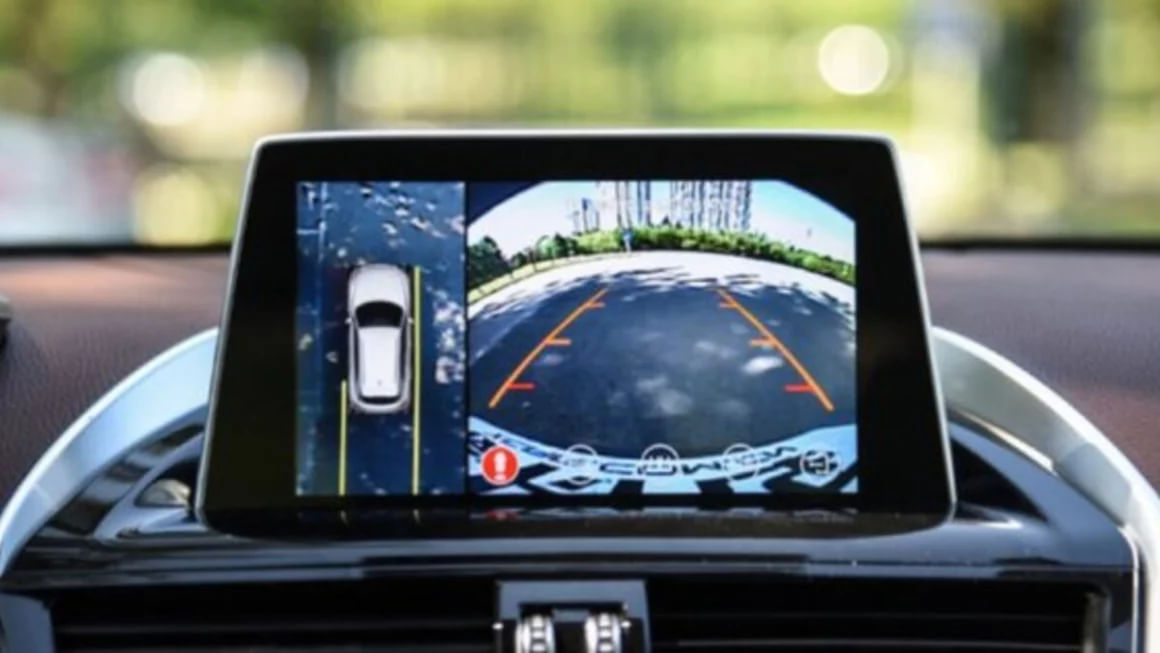
A 360-degree camera system in a car gives a complete view around the vehicle. It uses several small cameras placed on different sides of the car. These cameras capture images and stitch them together to create one big, clear view. This helps drivers see blind spots and tight spaces easily.
The system shows the car’s surroundings on a screen inside the vehicle. It makes parking and driving safer. Drivers can spot obstacles that might be hard to see with mirrors alone. This technology is helpful in busy streets and narrow parking lots.
How Does A 360-degree Camera System Work?
Small cameras are installed on the front, back, and sides of the car. Each camera takes a wide-angle video of its area. A computer inside the car combines these videos into one image. This image looks like a bird’s-eye view of the car. It updates in real time as the car moves.
Benefits Of A 360-degree Camera System
These systems reduce accidents by showing hidden dangers. They help drivers park in small spaces without hitting objects. The system also improves safety for pedestrians and cyclists around the car. It gives drivers more confidence on the road.
Common Features Of 360-degree Camera Systems
Most systems include parking guides and warning alerts. Some offer zoom-in views on corners or obstacles. Night vision and high-definition cameras are often part of the system. Many models allow switching between different camera views easily.
Credit: www.spinny.com
Benefits Of 360-degree Cameras In Cars
360-degree cameras in cars offer many useful benefits. They provide a full view around the vehicle. This helps drivers see blind spots and avoid accidents. These cameras make parking easier and safer. They also improve overall driving confidence.
Drivers gain better awareness of their surroundings. This extra vision reduces stress and helps prevent collisions. These systems work well in tight spaces and busy streets.
Enhanced Safety And Accident Prevention
360-degree cameras show a complete view around the car. This helps spot pedestrians, cyclists, and other vehicles. Drivers can react faster to potential dangers. This leads to fewer accidents and safer roads.
Improved Parking And Maneuvering
Parking becomes simpler with a full view of the car’s surroundings. Drivers can park in tight spots without hitting obstacles. The camera system guides smooth turning and reversing. This saves time and reduces damage to the vehicle.
Increased Driver Confidence
Seeing all sides of the car builds driver confidence. New drivers feel less nervous in traffic or crowded areas. Experienced drivers benefit from better awareness. This makes every drive more comfortable and controlled.
Assistance In Low Visibility Conditions
Fog, rain, or darkness can limit vision. 360-degree cameras provide clear views in such conditions. They help detect hidden objects or people. This support improves safety during bad weather or night driving.
Wired 360-degree Camera Systems
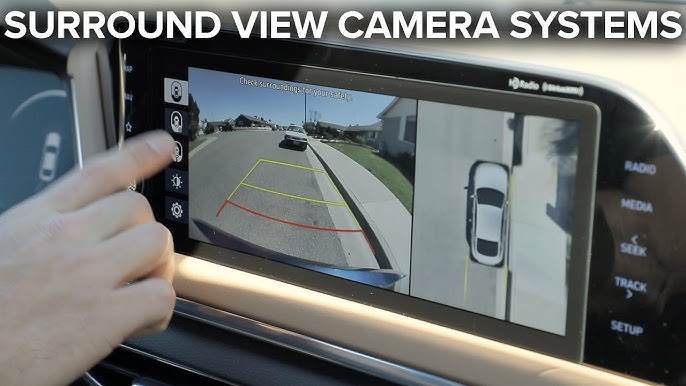
Wired 360-degree camera systems are popular for their strong connection and reliable performance. These systems use cables to link cameras placed around the car to a central control unit. This setup gives clear, real-time views of the vehicle’s surroundings. The wired design helps reduce signal loss and interference, ensuring sharp images.
Wired systems are common in many cars due to their stability and durability. They require more effort to install but often provide better image quality than wireless options. These cameras work well in all weather conditions and offer consistent power supply through the car’s electrical system.
Installation Process
Installing wired 360-degree camera systems takes time and skill. The process involves running cables through the car’s interior and connecting cameras to a control box. Professional installation is recommended to avoid damage to the vehicle’s wiring.
Technicians mount cameras on the front, rear, and sides of the car. They carefully hide the wires under panels and carpets for a clean look. The system then connects to the car’s display screen for easy viewing.
Pros And Cons
Wired systems offer clear, stable images with minimal delay. They rarely lose connection and work well in tough weather. The wired setup provides constant power to cameras, so they stay on without interruption.
The main downside is the complex installation. Running wires can be difficult and may require removing parts of the car’s interior. Repairs or upgrades might also be harder due to the fixed wiring.
Wired 360-degree camera systems suit drivers who want steady and sharp views. They fit well in vehicles where long-lasting performance is a priority.
Credit: www.youtube.com
Wireless 360-degree Camera Systems
Wireless 360-degree camera systems are changing how drivers see their surroundings. These systems use cameras around the car and send video to a screen without wires. This setup makes installation easier and keeps the car interior neat.
Wireless systems rely on signals to transfer images quickly. This helps drivers get a clear view from all angles. The cameras capture every detail, improving safety and parking accuracy.
Setup And Connectivity
Setting up wireless 360-degree camera systems is straightforward. Cameras attach to the car’s exterior without complex wiring. The system connects to a central unit inside the car.
The cameras send video signals to the unit using Wi-Fi or other wireless technology. The screen inside the car shows a combined, real-time view from all cameras.
Some systems work with smartphone apps, allowing drivers to see the view on their phones. This feature adds convenience and flexibility.
Advantages And Limitations
Wireless systems offer easy installation and cleaner car interiors. No wires mean fewer chances of damage or loose connections. These systems also allow for quick upgrades and replacements.
On the downside, wireless signals can face interference from other devices. Signal loss may occur in some environments, affecting video quality. Battery-powered cameras require regular charging or replacement.
Wireless systems may cost more than wired options. Still, the benefits often outweigh the extra expense for many drivers.
Aftermarket Vs Factory-installed Systems
Choosing between aftermarket and factory-installed 360-degree camera systems affects your car’s safety and convenience. Each option has unique features and limits. Understanding these differences helps you pick the right system for your needs.
Customization Options
Aftermarket systems offer more customization. You can select camera types and brands. Adjust angles and views easily. Options fit many car models and budgets.
Factory-installed systems come pre-set by the car maker. They match the car’s design perfectly. Integration with other car features is seamless. Custom choices are limited but reliable.
Cost Differences
Aftermarket systems usually cost less upfront. Installation may add extra fees. Some kits require professional help to set up. Repairs and upgrades depend on the brand.
Factory-installed systems raise the car’s price initially. No extra installation needed after buying. Warranty and service come with the car. Maintenance is often simpler and more secure.
Key Features To Look For
Choosing the right 360-degree camera system for your car depends on several key features. These features help ensure safety and ease while driving or parking. Knowing what to check can save time and avoid poor choices.
Image Quality
Clear images are a must for any 360-degree camera system. High resolution helps you see details around your car. Blurry or pixelated views can hide obstacles and make driving risky. Look for cameras that offer sharp and wide-angle views. Good image quality improves your confidence on the road.
Night Vision
Many accidents happen in low light or at night. Night vision helps the camera capture clear images even in darkness. Infrared or low-light sensors boost visibility when street lighting is poor. This feature is vital for safe driving and parking at night. It allows you to spot pedestrians and objects easily.
Parking Assistance
Parking can be stressful, especially in tight spots. A 360-degree camera system with parking assistance offers guidelines or alerts. These help you judge distance and angle while parking. Some systems also provide automatic braking if a collision is likely. This feature reduces accidents and makes parking smooth and safe.
Top Brands And Models In 2025
Car 360-degree camera systems have become more advanced in 2025. Many top brands now offer models with clear images and easy controls. These cameras help drivers park and avoid accidents by showing all angles around the vehicle.
Choosing the right brand and model depends on features, price, and compatibility with your car. Here are some of the top brands and models available this year.
Garmin BC 40The Garmin BC 40 is popular for its wireless design. It connects easily to Garmin GPS units. This model offers a wide view and good image quality. It works well for drivers who want a simple setup.
Alpine HCE-C2500Alpine’s HCE-C2500 provides sharp images even at night. It has a 130-degree viewing angle. This camera fits many car models and is easy to install. Alpine is known for reliable car electronics.
Pioneer ND-BC8Pioneer’s ND-BC8 offers a clear 360-degree view. It includes parking guides to help avoid obstacles. The camera is weather-resistant and durable. It suits drivers who want detailed views around their car.
BlackVue Surround View SystemBlackVue’s Surround View System has four cameras for full coverage. It records video while driving and parking. The system connects to smartphones for live viewing. BlackVue is favored for its video quality and ease of use.
Nextbase 412GWNextbase 412GW includes a 360-degree camera with a dash cam. It captures all angles and records high-definition video. This model also has GPS and emergency features. It suits drivers wanting safety and clear images.

Credit: americanprepschool.com
Future Trends In Car 360-degree Cameras
Car 360-degree camera systems are evolving fast. New features and technologies are making these systems smarter and more useful. These changes will improve safety and driving comfort. They will also help drivers avoid accidents and park better.
Understanding future trends helps drivers know what to expect. It also shows how car cameras will blend with other car technologies. Here are some key trends shaping the future of 360-degree camera systems.
Enhanced Image Quality With Ai
Future cameras will use artificial intelligence to improve image clarity. AI will help remove blind spots and highlight obstacles. Night vision will get better, making driving safer in the dark. The system will learn from driving habits to offer better support.
Integration With Autonomous Driving
360-degree cameras will work closely with self-driving systems. They will provide detailed surroundings data to help cars make smart decisions. This integration will boost accuracy for lane changes and parking. Cameras will become a key part of autonomous vehicle safety.
Real-time Object Detection And Alerts
Advanced sensors will detect pedestrians, cyclists, and animals in real time. Drivers will get instant warnings to avoid collisions. The system will identify moving objects faster and more accurately. This will reduce accidents, especially in busy or low-visibility areas.
Wireless And Cloud Connectivity
Future camera systems will connect wirelessly to smartphones and cloud services. This allows remote monitoring of the vehicle’s surroundings. Drivers can check their car’s status anytime from anywhere. Cloud data will also help update the system with new features.
Compact And Cost-effective Designs
Camera units will become smaller and easier to install. Costs will drop, making 360-degree systems available in more cars. Improved designs will blend better with car bodies. This will encourage more drivers to adopt this safety technology.
Conclusion
Car 360-degree camera systems help drivers see all around their vehicles. Different types offer unique views and features. Choosing the right system depends on your needs and budget. These cameras improve safety and make parking easier. Understanding each type helps you pick the best fit.
Safe driving starts with good visibility. Keep your car and passengers protected with the right camera system. Explore options and find what works best for you.