
Have you ever stepped into your car on a chilly morning, only to find your outside windshield fogged up and blocking your view? It’s frustrating, dangerous, and can make your drive stressful before it even begins.
If you’re wondering how to remove fog from your outside windshield quickly and effectively, you’re in the right place. This guide will show you simple, practical tips to clear that fog away fast, so you can hit the road with confidence and clear vision.
Keep reading to discover easy tricks and solutions that will keep your windshield crystal clear no matter the weather. Your safety and comfort on the road start with a fog-free windshield!
Causes Of Outside Windshield Fog
Fog on the outside windshield can be frustrating and dangerous. Understanding what causes it helps prevent and remove it effectively. Several key factors lead to this common problem.
Weather And Temperature Effects
Cold air meets a warm windshield, causing moisture to form. This moisture condenses into tiny water droplets. These droplets create a foggy layer on the glass. High humidity and sudden temperature changes increase fog formation. Rain or drizzle also adds moisture to the windshield’s surface.
Vehicle Ventilation Issues
Poor ventilation inside the car traps moist air. This moist air reaches the windshield and condenses outside. Blocked air vents reduce airflow across the glass. Broken or malfunctioning defrosters fail to clear moisture properly. Proper ventilation is vital to keep the windshield clear.
Environmental Factors
Nearby trees and plants release moisture into the air. This moisture settles on the windshield, especially early morning or late evening. Parking near water bodies raises the chance of fog. Dirt and grime on the glass also hold moisture, worsening fog. Clean windshields reduce fog buildup from the environment.
Quick Defogging Techniques
Fog on the outside windshield can block your view and make driving unsafe. Quick defogging techniques help clear the glass fast. These simple methods use your car’s tools and common household items. They keep your windshield clear without waiting long.
Using Car Heater And Air Conditioner
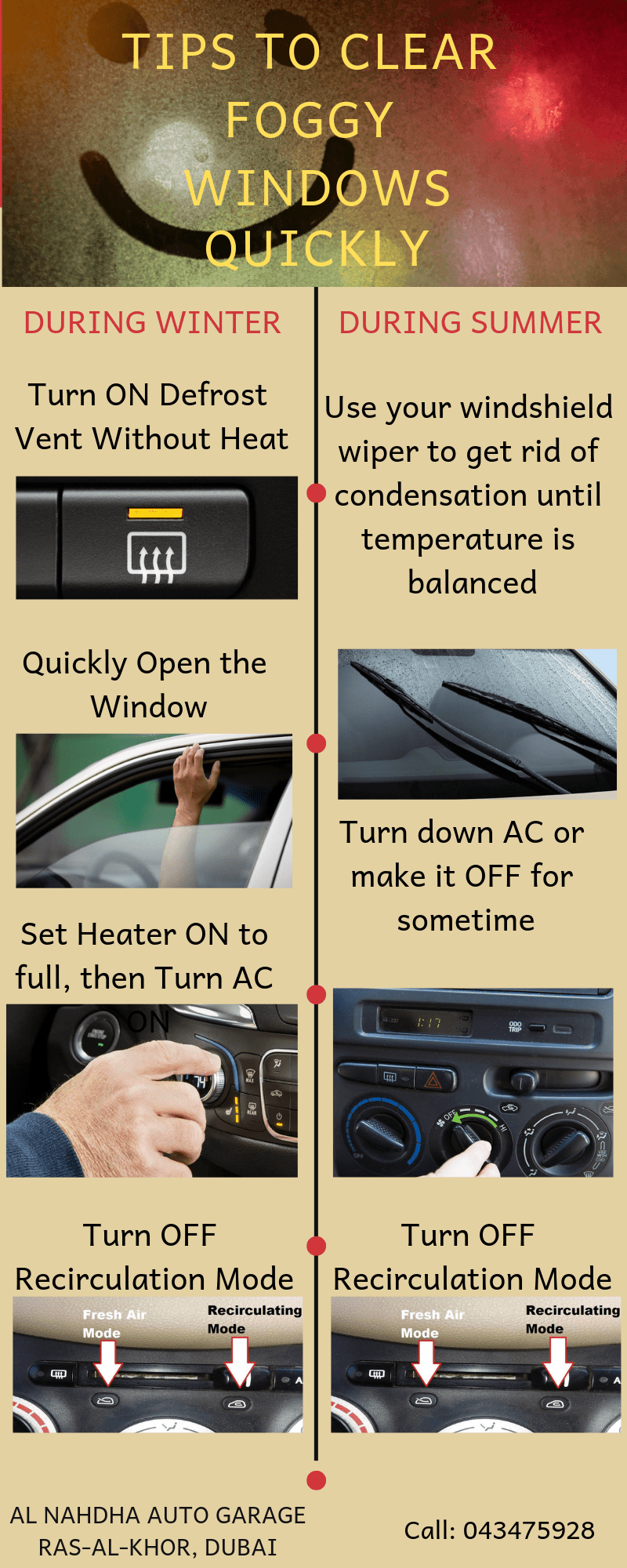
Turn on the car heater to warm the windshield. Warm air helps evaporate the moisture on the glass. At the same time, switch on the air conditioner. The AC removes humidity from inside the car. This mix reduces fog on both sides of the glass quickly.
Adjust the temperature and fan speed for best results. Direct the airflow toward the windshield. This method works well in cold and damp weather.
Cracking Windows For Airflow
Open your windows slightly to let fresh air in. This balances the temperature inside and outside the car. Fresh air lowers humidity inside the vehicle. It stops warm air from hitting the cold glass.
Cracking the windows helps air circulate fast. This simple step clears fog without extra tools. It works best with the heater or AC on.
Wiping With Vinegar Solution
Mix equal parts of water and white vinegar in a spray bottle. Spray the solution lightly on the outside windshield. Use a clean cloth to wipe the glass gently. Vinegar removes dirt and helps prevent fog from forming again.
This natural solution is safe and inexpensive. It clears fog and keeps your windshield cleaner longer. Repeat as needed for quick fog removal.
Tools And Products For Fog Removal
Removing fog from your outside windshield improves visibility and safety. Using the right tools and products makes this task easier. Several options work well to clear fog quickly and keep it from returning. Choose a method that fits your needs and budget for best results.
Anti-fog Sprays And Solutions
Anti-fog sprays prevent moisture buildup on glass surfaces. Apply these sprays directly to the windshield. They form a thin, invisible layer that stops fog from forming. Most sprays are simple to use and last for days or weeks. Look for products made for automotive glass to avoid damage.
Homemade Remedies Like Baking Soda
Baking soda is a natural, affordable way to fight fog. Mix a small amount of baking soda with water to create a paste. Rub the paste gently on the outside of the windshield. Let it dry, then wipe off with a clean cloth. This method absorbs moisture and helps clear fog quickly.
Using A Hairdryer Safely
A hairdryer can remove fog fast by blowing warm air on the glass. Use it on low or medium heat to avoid cracking the windshield. Keep the hairdryer moving and hold it a few inches away from the glass. This method works well if you need fog gone immediately and have power access.
Preventing Future Fog Build-up
Preventing fog build-up on the outside windshield improves visibility and safety. Consistent care and simple steps reduce moisture and fog formation. Keep your windshield clear by following these easy habits.
Maintaining Proper Ventilation
Good airflow inside the car stops moisture from settling on glass. Use the air conditioner or heater fan to circulate air. Avoid recirculating air, as it traps humidity inside the vehicle. Open windows slightly on humid days to let fresh air in. This helps balance moisture levels and reduces fog.
Regular Cleaning And Treatment
Dirt and oils on the windshield attract moisture and cause fog. Clean the glass with a quality glass cleaner often. Use a microfiber cloth to avoid scratches and streaks. Apply anti-fog sprays or treatments to create a moisture barrier. These products help water slide off the glass quickly.
Checking Window Seals And Drainage
Damaged seals let water enter the car and raise humidity. Inspect rubber seals around windows for cracks or wear. Replace any damaged seals to keep water out. Clear drainage channels in doors and windshield areas regularly. Blocked drains cause water to pool, increasing fog risk.
Handling Persistent Fog And Haze
Persistent fog and haze on your windshield can be more than just annoying. They reduce visibility and make driving unsafe. Sometimes, simple cleaning does not remove these stubborn marks. Handling this issue requires careful inspection and proper solutions to keep your windshield clear and safe.
Understanding the cause of persistent fog helps in choosing the right fix. Dirt, damage, or aging glass can cause the problem. Knowing when to clean or replace the windshield saves time and money.
Identifying Glass Surface Damage
Check your windshield for scratches, cracks, or pits. These imperfections trap moisture and cause fog to stick. Shine a flashlight at an angle to spot tiny damages. Damaged glass scatters light and creates haze that looks like fog.
Surface damage worsens over time. Wiping the glass might not clear the fog completely. Early detection helps prevent bigger problems and improves your view.
Professional Cleaning Options
Some fog and haze result from deep dirt or film buildup. Professional cleaning uses special tools and solutions to remove this layer. Experts can polish the glass to restore clarity.
Professional cleaning is safe and effective. It removes residues that home methods cannot reach. Regular professional care keeps your windshield looking new longer.
When To Replace The Windshield
Severe damage or constant fogging may mean replacement is needed. Cracks larger than a dollar bill reduce windshield strength. Persistent fog after cleaning shows the glass has aged or deteriorated.
Replacing the windshield restores clear vision and safety. Choose trusted installers to ensure proper fitting and sealing. A new windshield removes fog problems caused by old or damaged glass.


Conclusion
Removing fog from your outside windshield keeps driving safe and clear. Use simple tips like turning on heat or wiping with vinegar. Small actions make a big difference in visibility. Stay prepared with anti-fog solutions or crack your windows slightly.
Clear windshields mean better focus on the road ahead. Keep your car clean and dry to prevent fog return. Driving with a fog-free windshield feels more comfortable and confident. Try these easy steps to enjoy clearer drives every time.