
You’ve probably seen those windshield reflectors in cars parked under the blazing sun and wondered—do they really work? If you’re tired of stepping into a scorching hot car or worried about your dashboard cracking and fading, this question matters a lot to you.
Windshield reflectors promise to keep your vehicle cooler by blocking sunlight and harmful UV rays, but how effective are they in real life? You’ll discover how these sunshades work, whether they can truly protect your car’s interior, and if they’re worth the investment.
Keep reading to find out if windshield reflectors can make your daily drive more comfortable, especially under the intense Texas sun.
Effectiveness Of Windshield Reflectors
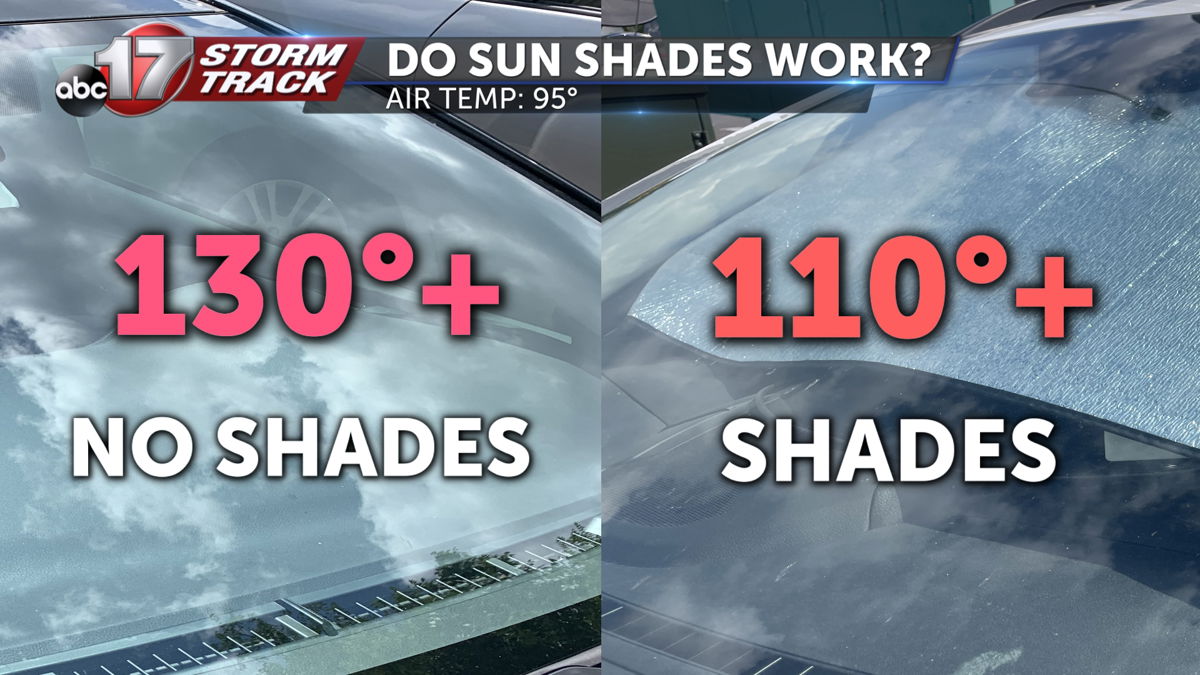
Windshield reflectors are a popular tool to keep car interiors cooler under the hot sun. Their effectiveness depends on how well they block sunlight and heat from entering through the windshield. Many drivers wonder if these reflectors truly work or if they are just a simple accessory. Understanding how they reduce heat and the materials used can clarify their actual benefits.
How Reflectors Reduce Heat
Reflectors work by bouncing sunlight away from the windshield. They prevent much of the sun’s rays from passing through the glass. This stops the car’s interior from heating up quickly. By reflecting light, they reduce the greenhouse effect inside the car. Less sunlight means lower temperatures inside. This helps protect the dashboard and upholstery from fading and cracking. It also keeps the car more comfortable when entering after parking.
Materials And Designs
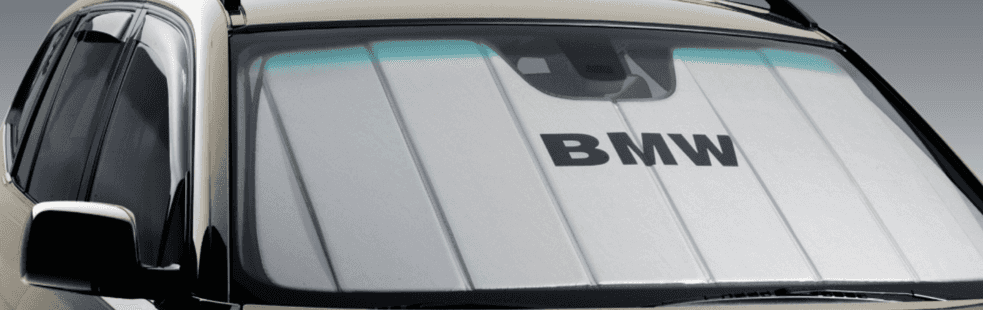
Most windshield reflectors use reflective materials like aluminum foil or metalized polyester. These surfaces shine brightly and send sunlight back outside. The designs often include a foldable frame to fit various windshield sizes. Some have foam or fabric backing to block heat better and add durability. The quality of the material affects how much heat is reflected. Thicker, denser materials usually perform better. Shapes and colors may vary, but silver or white reflectors are common for their high reflectivity.
Benefits Of Using Sunshades
Using sunshades in your vehicle offers many advantages. They help improve comfort and protect your car’s interior. Sunshades are simple tools that block sunlight and heat. They reduce the effects of harsh sun rays on your vehicle. Here are some key benefits of using sunshades.
Lower Interior Temperatures
Sunshades keep your car cooler by blocking direct sunlight. They prevent heat from building up inside. This keeps the dashboard, seats, and steering wheel cooler. A cooler car means a more pleasant ride. It also reduces the need to blast the air conditioner. This can save fuel and reduce emissions.
Protection Against Uv Damage
Sunshades block harmful UV rays from entering your car. UV rays can fade and crack your dashboard and upholstery. They can also damage plastic and vinyl surfaces. Using sunshades helps keep your interior looking new. It extends the life of your car’s materials. UV protection is important for maintaining car value.
Air Gap Insulation
Sunshades create an air gap between the glass and the interior. This gap acts as an extra layer of insulation. It slows heat transfer from outside to inside the car. The air gap helps reduce temperature spikes on hot days. This insulation effect adds to the cooling benefits of sunshades. It makes your car more comfortable to enter after parking.
Potato As A Windshield Treatment
Using a potato as a windshield treatment is a simple, low-cost method that some drivers try to improve visibility. Rubbing a raw potato on the glass leaves behind starch and sugars. These natural substances create a thin, temporary layer on the windshield. This layer can help water bead up and roll off the glass more easily. It also makes frost and ice easier to remove in cold weather. While this trick is not a permanent solution, it offers a quick fix for wet or frosty conditions.
Creating A Starch Barrier
The potato’s starch forms a thin film on the windshield surface. This film acts as a barrier between the glass and moisture. It stops water from spreading out flat. Instead, water gathers into droplets that slide off more quickly. This starch layer also reduces fogging inside the glass. The barrier is very delicate and only lasts a short time. It needs to be reapplied after a few days or after cleaning the windshield.
Water Repellency And Frost Prevention
The starch layer makes water bead up instead of creating a wet sheet. This helps maintain clearer vision during rain. The sugars in the potato also help frost from sticking tightly to the glass. Ice forms a weaker bond and can be wiped away more easily. This effect is helpful on cold mornings. It does not stop frost completely but makes removal faster. The treatment is best for light frost and small rain showers.
Application Steps
Start by cutting a raw potato in half. Take the fresh, starchy side and rub it firmly over a clean, dry windshield. Cover the entire glass surface with the potato juice. Let the starch dry completely on the glass. After drying, wipe off any excess with a soft cloth to avoid streaks. The windshield should now have a thin protective layer. Repeat the process every few days to keep the effect working.

Limitations And Downsides
Windshield reflectors offer some benefits, but they also have clear limits. Understanding these downsides helps set realistic expectations before using them. Not all effects last long, and certain issues may arise during use. This section covers the main drawbacks you should consider.
Temporary Effects
Windshield reflectors only work while they are in place. Their cooling effect disappears as soon as you remove them. They do not provide lasting protection against heat or sun damage. You need to use them every time to get any benefit. This makes them less useful for long-term protection.
Potential For Mess And Smearing
Some reflectors can leave marks or smears on your windshield. Dirt or moisture trapped under the reflector may cause streaks. These marks reduce visibility and can be hard to clean. Poor quality materials increase the chance of damage to the glass. Regular cleaning is necessary to avoid buildup.
Impact On Safety Systems
Modern cars often use cameras and sensors on the windshield. Reflectors may block or interfere with these safety features. This can reduce the effectiveness of lane assist, automatic braking, or other systems. It is important to place reflectors carefully to avoid covering sensors. Always check your car’s manual before use.
Comparing Alternatives
Choosing the right method to protect your windshield can be tricky. Several options exist beyond traditional windshield reflectors. Each alternative offers unique benefits and limitations. This section compares popular choices to help you decide what suits your needs best.
Hydrophobic Treatments
Hydrophobic treatments create a water-repellent layer on glass. Rainwater beads up and rolls off easily. This improves visibility during wet weather. These treatments also reduce fogging and ice buildup. They last longer than DIY fixes but require reapplication over time. Applying them is simple and affordable. Many drivers find these treatments effective for clearer windshields.
Commercial Sunshades
Commercial sunshades block sunlight from heating your car’s interior. They come in various sizes and materials. Most fold for easy storage. Sunshades prevent dashboard fading and reduce cabin temperature. They work well in sunny conditions but do not affect moisture or ice. These shades are widely available and easy to use. They provide a direct shield against sun damage.
Other Diy Methods
DIY methods include rubbing a cut potato on the windshield. The potato leaves a thin starch layer that repels water briefly. Other homemade options use vinegar or soap solutions. These methods are cheap and accessible but only offer short-term results. They may require frequent reapplication and careful cleaning to avoid streaks. DIY tricks serve as quick fixes rather than long-term solutions.
User Experiences And Reviews
User experiences and reviews reveal how windshield reflectors perform in daily use. People share honest feedback about their effectiveness. These insights help understand real benefits and drawbacks. Let’s explore what users say about temperature reduction, ease of use, and long-term results.
Real-world Temperature Reduction
Many users notice a clear drop in inside car temperature. Reflectors block sunlight and reduce heat buildup. Some report their car stays 10-20 degrees cooler. This helps keep the interior more comfortable. Others say the effect depends on reflector quality and placement. Still, most agree it prevents the car from becoming a hot oven.
Ease Of Use
Most reviews highlight how simple reflectors are to install. They usually unfold and fit easily on the windshield. Users appreciate the quick setup and removal process. The lightweight material makes handling stress-free. Some mention reflectors fit better on certain car models. Overall, people find them convenient for daily use or parking outdoors.
Long-term Results
Feedback on durability varies among users. Some reflectors stay effective for years without damage. Others notice fading or tearing after prolonged sun exposure. Cleaning can be tricky but helps maintain performance. A few users replace reflectors every season to keep them fresh. Despite wear, many say the investment is worth the ongoing comfort.
Conclusion
Windshield reflectors can help reduce heat inside your car. They block sunlight and lower dashboard temperature. While not perfect, they offer simple sun protection. Using reflectors along with parking in shade works best. Remember to remove them before driving for safety.
These products provide an easy way to keep your car cooler. Try one to see if it fits your needs.