
Are you curious about what kind of glass protects you every time you hit the road? You might have heard terms like “tempered” and “laminated” glass but wondered which one actually makes up your car’s windshield.
Knowing this isn’t just a fun fact—it’s about understanding how your safety is designed and what happens if your glass ever breaks. You’ll discover the surprising truth about car windshields, why they aren’t tempered glass, and how their special construction keeps you safer than you might think.
Keep reading to learn what really shields you behind the wheel.
Laminated Glass In Windshields
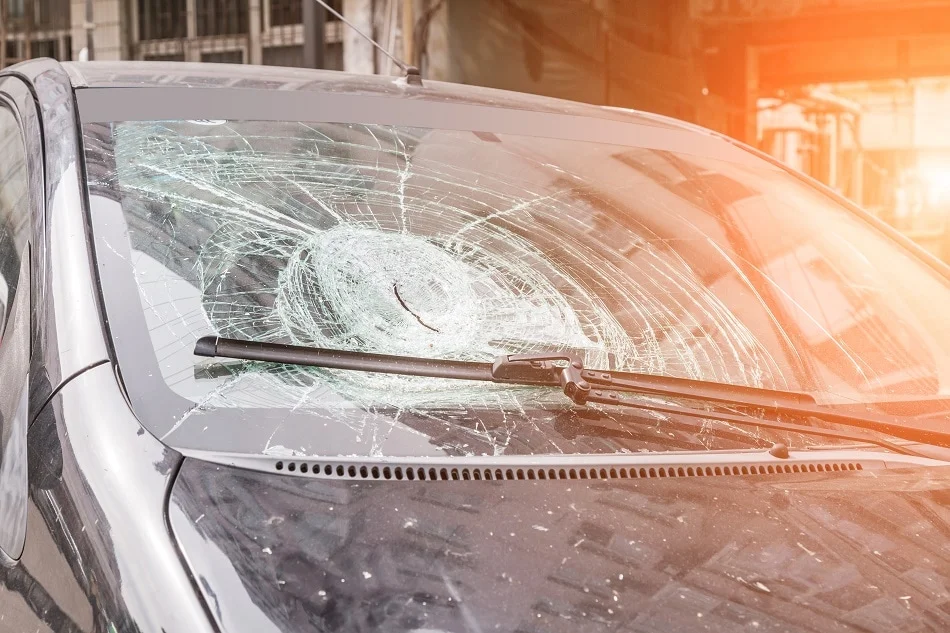
Most car windshields use laminated glass instead of tempered glass. Laminated glass has a unique design that improves safety for drivers and passengers. It combines layers of glass and plastic to prevent dangerous shattering. This section explains the structure, break pattern, and safety benefits of laminated glass in windshields.
Structure And Composition
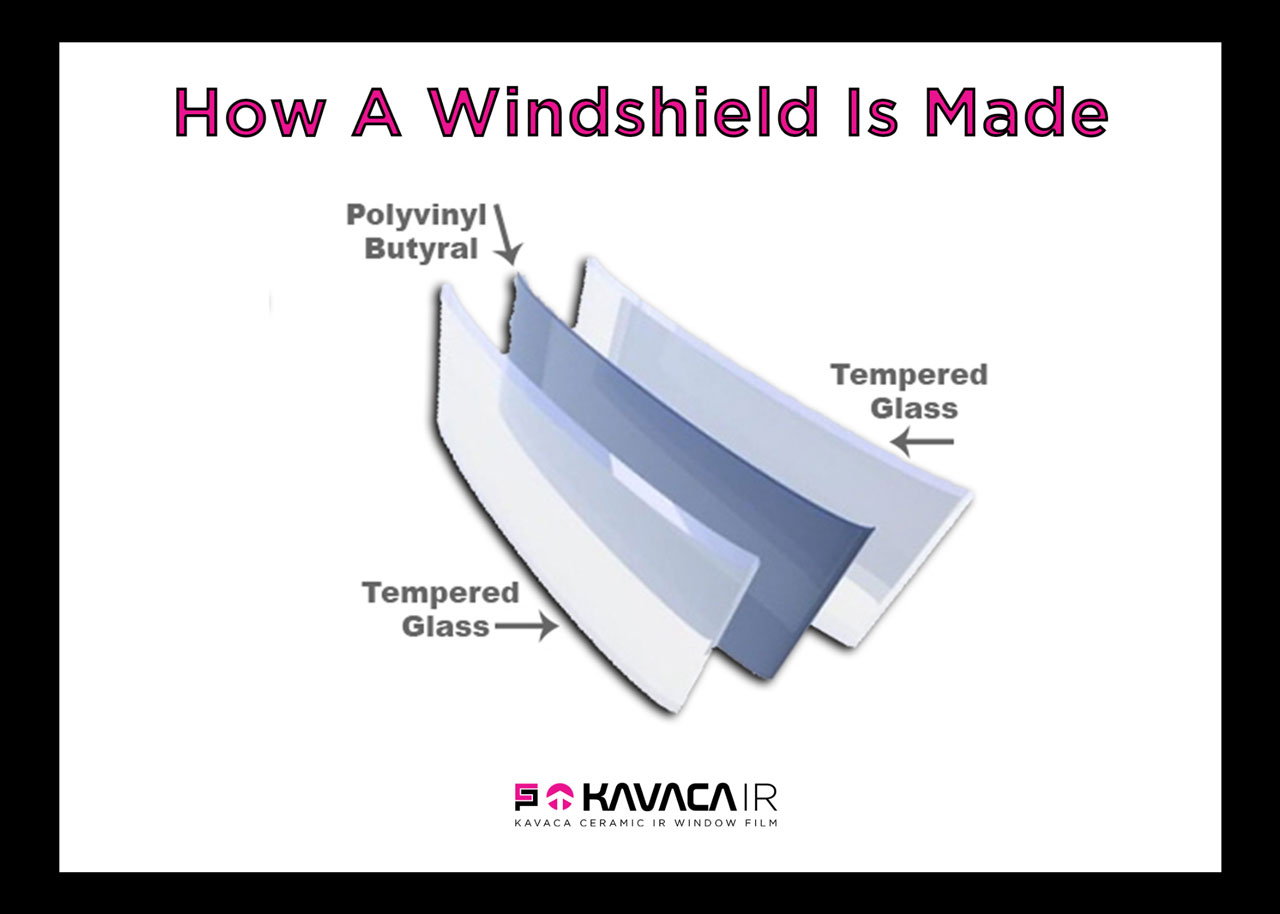
Laminated glass consists of two glass layers with a plastic layer in between. The plastic layer is usually polyvinyl butyral (PVB). This design holds the glass layers together even if they crack. The plastic layer acts as a strong adhesive. It keeps the windshield intact under impact or pressure.
Break Pattern And Safety
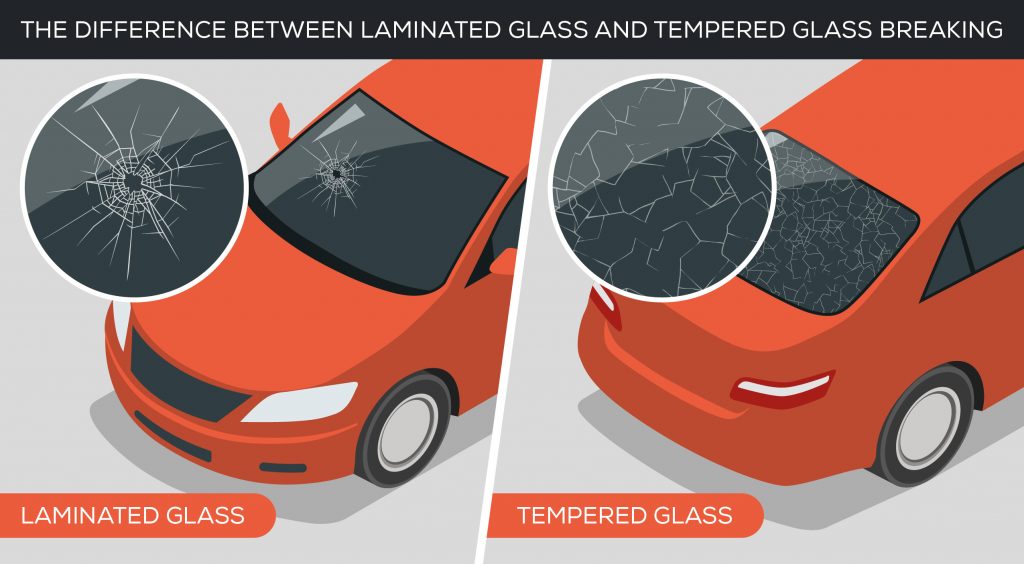
When laminated glass breaks, it cracks but does not shatter into pieces. The plastic layer holds the broken glass in place. This prevents glass shards from flying inside the car. It reduces the risk of injuries from sharp glass. The break pattern improves safety during accidents or collisions.
Benefits For Occupant Protection
Laminated windshields protect occupants from flying debris and road hazards. They also help keep passengers inside the vehicle during crashes. The plastic layer absorbs impact energy, reducing injury risks. This glass type supports airbags by maintaining windshield integrity. It enhances overall vehicle safety and driver confidence.
Tempered Glass In Side And Rear Windows
Tempered glass plays a vital role in car safety. Side and rear windows use tempered glass. This glass type is different from laminated glass found in windshields. Tempered glass offers strength and shatters safely. It protects passengers and allows quick escape if needed.
Manufacturing Process
Tempered glass starts as regular glass. It is heated to about 600 degrees Celsius. Then, it cools quickly with blasts of cold air. This process makes the glass much stronger than normal glass. The quick cooling creates tension inside the glass. This tension helps the glass hold together under stress.
Break Pattern And Safety
When tempered glass breaks, it shatters into tiny pieces. These pieces are blunt and less likely to cause injury. This break pattern reduces the risk of cuts. It also prevents large shards from flying inside the car. This feature improves passenger safety during accidents.
Emergency Breakout Advantages
Tempered glass is easier to break in emergencies. Rescue teams use this property to help trapped passengers. Small tools or even fists can break tempered glass quickly. This advantage can save lives during crashes or fires. It allows fast exit from the vehicle when needed.
Comparing Laminated And Tempered Glass
Understanding the differences between laminated and tempered glass is key to knowing why car windshields are made the way they are. Both types of glass serve different purposes in vehicles. Each offers unique benefits related to strength, safety, and usage. This section breaks down those differences clearly.
Strength And Durability
Laminated glass consists of two glass layers with a plastic layer in between. This design holds the glass together even when cracked. It resists shattering and keeps its shape under impact.
Tempered glass is heat-treated to increase its strength. It is stronger than regular glass but breaks into small, blunt pieces on impact. This reduces injury risk from sharp shards.
Safety Features
Laminated glass stays in place after breaking, preventing passengers from being ejected. The plastic layer acts as a barrier against debris and water. It also reduces noise inside the vehicle.
Tempered glass shatters completely but safely into tiny pieces. It helps passengers escape quickly during emergencies by breaking easily. This glass is less effective at blocking objects from entering the vehicle.
Typical Uses In Vehicles
Windshields are made from laminated glass for safety and durability. They protect drivers and passengers from wind, rain, and flying objects.
Side and rear windows use tempered glass. It offers good visibility and breaks safely in accidents. This glass type is easier to replace and cost-effective.
Identifying Glass Types On Your Car
Knowing the type of glass on your car helps with safety and repairs. Car glass mainly comes in two types: laminated and tempered. Laminated glass usually makes up the windshield. It has two glass layers with a plastic layer between them. Tempered glass is a single piece that breaks into small, safe pieces. It is often used for side and rear windows. Identifying the glass type on your car is simple if you know where to check and what to look for.
Checking For Manufacturer Labels
Look at the bottom corners of your car windows. Most windows have a small label or stamp. This label shows the glass type and safety standards. Tempered glass labels often say “Tempered” or “T.” Laminated glass labels usually say “Laminated” or “LAM.” If you find a label, it confirms the glass type quickly.
Edge And Surface Characteristics
Examine the edges of the glass carefully. Tempered glass edges are smooth and rounded. Laminated glass edges may feel sharper or have a plastic layer visible. The surface of tempered glass is usually very clear and uniform. Laminated glass might have a slight plastic film inside. These signs help tell the glass types apart without special tools.
When To Contact The Manufacturer
Sometimes, labels are missing or unclear. The glass may look different due to damage or replacement. In such cases, contact your car manufacturer. They can provide exact information based on your car’s model and year. This step ensures you get the correct glass type for repairs or replacements.
Why Windshields Aren’t Tempered
Windshields are not made from tempered glass. Instead, they use laminated glass. This glass has two layers with a plastic layer between them. The plastic layer holds the glass together if it breaks. Tempered glass, used on side and rear windows, breaks into small pieces. Laminated glass is stronger and safer for windshields.
Safety Considerations
Laminated glass protects passengers better during crashes. It stays in one piece instead of shattering. This reduces the risk of injury from flying glass shards. The plastic layer also keeps the glass attached to the car frame. This prevents passengers from being ejected during accidents. Tempered glass cannot provide this level of protection.
Impact On Airbag Function
Windshields support airbags during deployment. They act as a stable surface for airbags to push against. Laminated glass is strong enough to hold this pressure. Tempered glass can break under airbag force. If the windshield breaks, airbags may not work correctly. This could increase injury risks in a crash.
Uv Protection And Sound Insulation
Laminated windshields block harmful UV rays from the sun. This protects passengers and prevents interior fading. The plastic layer also reduces outside noise. It makes driving quieter and more comfortable. Tempered glass lacks these benefits. It lets more UV rays and noise enter the car.
Conclusion
Car windshields use laminated glass, not tempered glass. Laminated glass keeps the windshield intact during impacts. It protects passengers by holding shards together. Side and rear windows use tempered glass instead. Tempered glass breaks into small pieces for safety. Knowing the difference helps with repairs and safety.
Always check your vehicle’s glass type if unsure. Safety matters when choosing the right glass for your car.