
Have you ever noticed those stubborn spots on your car’s windshield that just won’t budge? Hardened tree sap is one of the trickiest things to remove, and it can seriously ruin your view while driving.
But don’t worry—you don’t have to live with that sticky mess or rush to the shop. In this guide, you’ll discover simple, effective ways to safely remove hardened tree sap from your windshield using items you probably already have at home.
Stick with me, and you’ll have a crystal-clear windshield in no time—ready to hit the road with confidence.
Sources Of Tree Sap On Windshields
Tree sap on car windshields is a common problem for many drivers. It comes from nearby trees and sticks firmly to the glass. Understanding where sap comes from helps to avoid and remove it effectively.
Sap drips or falls onto the windshield during warm weather or windy days. Certain trees produce more sap, making your car more likely to get covered. Knowing these sources helps in prevention and care.
Common Trees Producing Sap
Many trees produce sap that can land on cars. Pine trees are one of the main culprits, known for their sticky resin. Maple trees also release sap, especially in spring. Oak trees produce sap that can be tough to clean. Sweetgum trees drip sap that hardens quickly on glass. These trees grow in many neighborhoods and parks, increasing the chance of sap on windshields.
How Sap Hardens On Glass
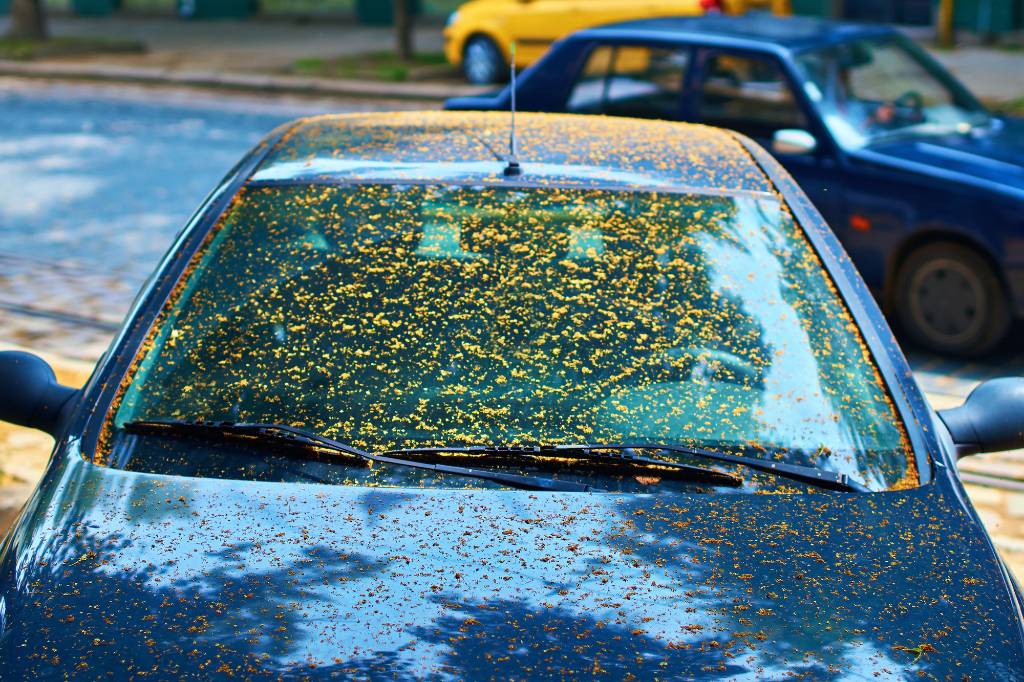
Sap is a sticky liquid that oozes from tree bark. When it lands on a windshield, it starts soft and gooey. Exposure to sunlight and heat causes the sap to dry and harden. Dust and dirt often stick to the sap, making it even tougher to remove. Over time, the hardened sap forms a crust that blocks visibility and damages the glass surface if left too long.
Risks Of Leaving Sap Untreated
Hardened tree sap on your car windshield is more than just an eyesore. Leaving sap untreated can cause several problems. The longer sap stays, the tougher it becomes to remove. This can lead to damage and affect your driving experience. Understanding the risks helps you act fast and protect your vehicle.
Damage To Glass And Wipers
Tree sap contains acids and sticky resins. These substances can etch the glass surface over time. This etching creates tiny scratches and dull spots on the windshield. Hardened sap can also get stuck on wiper blades. This reduces their effectiveness and may cause streaks or scratches. Damaged wipers struggle to clear rain or debris properly.
Visibility And Safety Concerns
Sap spots block your clear view through the windshield. This reduces visibility, especially during bright sunlight or at night. Poor visibility raises the risk of accidents. Sticky sap on the glass can cause distracting glare. It also makes it harder to see road signs and other vehicles. Keeping the windshield clean ensures safer driving conditions for everyone.
Tools And Materials Needed
Removing hardened tree sap from your car windshield needs the right tools and materials. Using proper items makes the process easier and protects your glass. Gather everything before you start for a smooth cleanup.
Household Solvents And Cleaners
Common household liquids can help dissolve sap. Rubbing alcohol is one of the best choices. It breaks down sap without harming glass. White vinegar also works by softening the sticky residue. Dish soap mixed with warm water can help remove leftover sap. These items are easy to find and affordable.
Specialized Sap Removal Products
Some products are made just for sap removal. These contain solvents designed to dissolve tree sap quickly. They often work faster than household items. Sap removers are safe for car glass and paint. Use them if regular cleaners don’t remove the sap completely. Always follow product instructions carefully.
Scrapers And Cleaning Cloths
Tools to gently scrape sap are essential. Use plastic scrapers to avoid scratching the glass. Avoid metal tools that can cause damage. Soft microfiber cloths help wipe away sap and cleaner residue. Paper towels can leave lint behind, so avoid them. Have plenty of cloths on hand for cleaning and drying.
Safe Removal Techniques
Removing hardened tree sap from a car windshield requires care. Using safe techniques protects your glass and finish. Choose gentle yet effective methods to loosen sap without damage. Below are three safe removal options that work well at home.
Using Rubbing Alcohol Or Hand Sanitizer
Dab rubbing alcohol or hand sanitizer on a clean cloth. Place the cloth over the sap and let it sit for 5-10 minutes. The alcohol softens the sap for easier removal. Gently rub the sap with the cloth in circular motions. Repeat until sap loosens and wipes away. Finish by cleaning the area with glass cleaner and a dry cloth.
Applying White Vinegar Solutions
Soak a cloth or sponge in white vinegar. Press it against the sap spot for several minutes. Vinegar’s mild acidity breaks down the sticky sap. Use the cloth to scrub the area softly. Rinse with water to remove vinegar and sap residue. Dry the windshield with a clean towel to prevent streaks.
Wd-40 And Commercial Removers
Spray WD-40 directly onto the sap stain. Let it sit for a few minutes to penetrate the sap. The lubricant helps loosen hardened sap without scratching glass. Wipe with a soft cloth to lift sap off the surface. Commercial sap removers also work well—follow the instructions carefully. Always wash the windshield afterward to remove oily residue.
Removing Stubborn Sap Spots
Hardened tree sap on your car windshield can be tough to remove. It sticks firmly and resists normal cleaning. Stubborn sap spots need careful treatment to avoid damage.
Using the right methods softens and loosens the sap. This makes removal easier without scratching the glass. Patience and gentle care work best for clear, clean windshields.
Soaking And Softening Sap
Start by soaking the sap with a soft cloth soaked in rubbing alcohol or hand sanitizer. Place the cloth on the sap spot and let it sit for 5 to 10 minutes. This softens the hardened sap, making it easier to remove.
Keep the cloth damp during this time. Avoid using harsh chemicals that can harm your windshield. After soaking, gently rub the sap to loosen it further.
Gentle Scraping With Plastic Tools
Use a plastic scraper or an old credit card to lift the softened sap. Hold the tool at a low angle to the glass. Gently scrape in one direction to avoid pushing sap deeper.
Do not use metal tools or sharp objects. These can scratch or crack the windshield. Repeat soaking and scraping if sap does not come off easily.
Avoiding Scratches And Damage
Always use soft cloths and plastic tools for sap removal. Avoid hard scrubbing or abrasive pads that can leave scratches. Work slowly and carefully to protect the glass surface.
After sap removal, clean the windshield with soap and water. Dry with a clean, soft towel to prevent streaks. Proper care keeps your windshield clear and damage-free.
Post-removal Cleaning
After removing the hardened tree sap from your car windshield, proper cleaning is essential. This step ensures no sticky residue remains and restores clear visibility. Post-removal cleaning also protects your windshield from streaks or damage. Follow these simple steps to clean your windshield thoroughly and safely.
Washing With Soapy Water
Start by washing the windshield with warm, soapy water. Use a mild dish soap mixed with water to create suds. Gently scrub the entire glass surface using a soft sponge or cloth. This helps remove any leftover sap particles and dirt. Rinse the windshield with clean water to wash away soap and loosened debris. Repeat if necessary to ensure a clean surface.
Using Glass Cleaner For Clarity
Next, spray a high-quality glass cleaner on the windshield. Choose a product designed for automotive glass to avoid streaks. Wipe the glass with a microfiber cloth in circular motions. This step removes any soap residue and improves clarity. Cleaning the glass thoroughly helps prevent glare while driving and keeps your view sharp.
Drying Tips To Prevent Residue
Finally, dry the windshield using a clean, dry microfiber towel. Avoid using regular towels that may leave lint or streaks. Pat the glass gently instead of rubbing hard to prevent scratches. Drying quickly prevents water spots and residue buildup. Make sure to dry the edges and corners where water can collect.
Preventing Future Sap Build-up
Preventing future sap build-up on your car windshield saves time and effort. It keeps your glass clear and your driving safe. Small habits and simple protections can reduce sap sticking to the glass. Regular care helps avoid tough sap removal later.
Parking Strategies
Choose parking spots away from pine, oak, or maple trees. These trees produce sticky sap that can drip on cars. Use covered parking or garages when possible. Avoid parking under trees during warm weather. Sap becomes softer and more likely to fall then. Moving your car often also prevents sap from building up.
Protective Coatings And Treatments
Apply a water-repellent glass treatment to your windshield. These coatings create a smooth surface that sap finds hard to stick to. They also improve visibility during rain. Wax or sealants designed for glass can work too. Reapply these treatments every few months for best results. Clean your windshield well before applying any coating.
When To Seek Professional Help
Removing hardened tree sap from a car windshield can be tricky. Some sap stains go beyond simple cleaning. Knowing when to seek professional help saves time and prevents damage. Professionals have the right tools and skills for tough sap removal. They can restore your windshield’s clarity without risk.
Extensive Sap Damage
Large sap patches covering most of the windshield need expert care. Deep or thick sap may harden and stick firmly. Attempting home removal might scratch or damage the glass. Professionals assess the damage and choose safe methods. They avoid causing cracks or permanent marks on your windshield.
Specialized Cleaning Services
Auto glass specialists use advanced cleaning products and tools. These services remove sap quickly and thoroughly. They also protect windshield coatings and seals. Professionals can handle sap combined with dirt or other residues. Their expertise ensures your windshield looks clear and smooth afterward.
Conclusion
Removing hardened tree sap from your car’s windshield is doable with simple tools. Use rubbing alcohol or vinegar for best results. Apply gently and avoid harsh scrubbing to protect the glass. Patience helps; repeat the process if needed. Clean and dry the windshield afterward for a clear view.
Regular care prevents sap buildup and keeps your car looking great. Try these easy steps next time sap sticks to your windshield. Your car will thank you with a spotless shine.