
Have you ever turned on your windshield wipers on a cold morning, only to find them stuck or moving sluggishly? You might wonder, can a windshield wiper motor actually freeze?
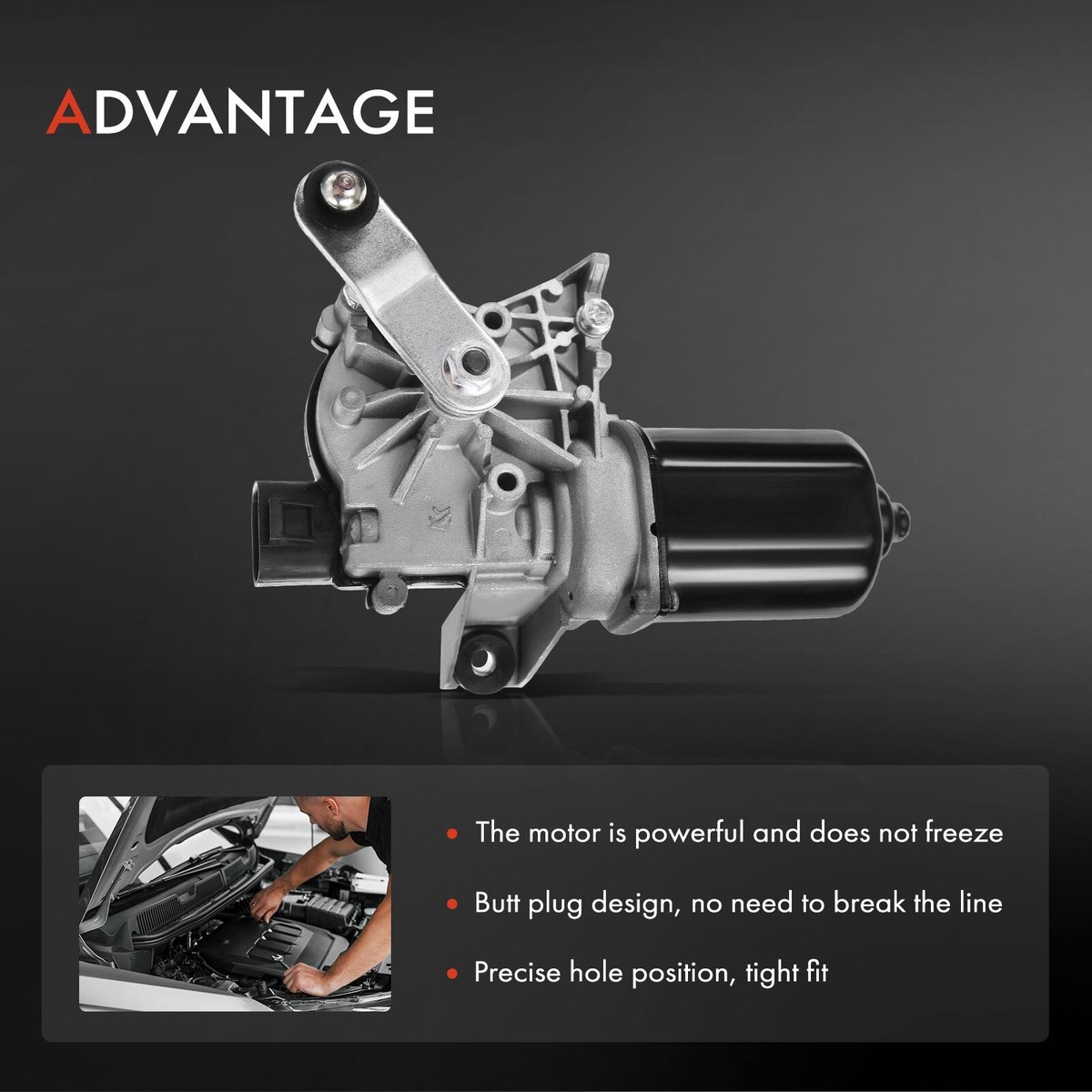
The truth is, while the motor itself doesn’t freeze solid like ice, it can get stuck or damaged because ice locks your wiper blades tightly to the windshield. When you try to move them, the motor strains, leading to costly repairs or even total failure.
If you want to avoid this frustrating and potentially dangerous problem, keep reading. We’ll explain why this happens, what parts can get damaged, and simple steps you can take to protect your wipers and motor during freezing weather. Don’t let frozen wipers catch you off guard—here’s what you need to know to keep your windshield clear and your motor safe.

Why Wipers Freeze
Windshield wipers can freeze during cold weather, causing trouble for drivers. The freezing happens not because the motor itself turns to ice, but because ice locks the blades to the glass. This ice stops the blades from moving, which can put pressure on the motor and parts connected to it. This section explains why wipers freeze and how this affects the motor.
Ice Bonding On Blades
Ice forms around the wiper blades and sticks them tightly to the windshield. Snow or freezing rain creates a hard layer that glues the rubber blades in place. Once frozen, the blades lose their flexibility and cannot slide over the glass. This ice bond keeps the wipers from moving freely.
Trying to move the blades while they are stuck risks breaking the rubber or bending the metal parts. The frozen blades also wear down faster because they are forced to work against solid ice. This is the main reason wipers stop working well in winter.
Motor Strain From Frozen Blades
The wiper motor still tries to move the blades even when they are frozen. This puts extra strain on the motor and the mechanical linkages. The motor works harder than usual, which can cause it to overheat or wear out quickly.
Continuous force on frozen blades might strip the gears or damage the wiper arm splines. This damage leads to costly repairs or the need for a new motor. Avoid running wipers on ice to protect these parts from stress and failure.
Potential Damage
Windshield wiper motors face serious risks if they freeze or get stuck. The motor itself may not freeze solid, but ice can lock the wiper blades to the glass. This creates strain on parts connected to the motor. Damage can happen quickly if the motor runs while blades are stuck. Understanding the types of damage helps protect your car’s wiper system.
Wiper Linkage Issues
The wiper linkage connects the motor to the arms and blades. Ice can freeze this linkage in place. When the motor tries to move the frozen blades, the linkage bends or breaks. Broken linkage stops wipers from moving entirely. Repairing or replacing linkage parts can be costly and time-consuming.
Motor Overheating
A frozen wiper blade blocks motor movement. The motor keeps running but cannot turn the blades. This causes the motor to work harder than normal. Over time, the motor overheats and burns out. Motor failure means no wipers during rain or snow. Replacing a burnt motor is expensive and inconvenient.
Stripped Wiper Arms
Wiper arms attach to the motor shaft with splines. When blades freeze, these splines can strip if the motor runs. Stripped splines cause the arms to spin freely without moving the blades. This makes the wipers useless until fixed. Fixing stripped arms requires parts replacement and repair work.
Preventing Freezing
Preventing windshield wiper motor freezing helps protect your vehicle in cold weather. Ice often sticks the wiper blades to the glass. This stops the blades from moving and strains the motor. Taking simple steps can stop ice buildup and keep your wipers working smoothly.
Lifting Wipers Off Glass
Lift your wipers off the windshield when parking in freezing weather. This stops the blades from freezing to the glass. It also keeps the motor from working against ice. Many drivers forget this easy tip but it saves damage and wear.
Using Defrosters
Turn on your car’s defroster before using the wipers. The warm air melts ice on the windshield and blades. Wait a few minutes for the ice to soften. Running wipers on frozen glass can tear the rubber and damage the motor.
Applying De-icer
Use a spray de-icer to break up ice on your windshield and wipers. These sprays melt ice quickly and safely. Apply before starting your car if ice covers the glass. De-icer helps reduce the chance of motor strain or blade damage.
Smart Parking Choices
Park your car in a garage or covered area to avoid ice buildup. If indoor parking is unavailable, use a windshield cover. Covers block snow and ice from freezing the blades and glass. This simple step reduces freezing risks and protects your wiper motor.

Handling Frozen Wipers
Frozen windshield wipers cause frustration and risk damage. Handling them carefully protects your vehicle and ensures clear vision. Acting with caution prevents motor strain and costly repairs. Follow simple steps to manage frozen wipers safely and effectively.
Avoid Forcing Movement
Do not force your wipers to move if they are stuck. The motor can burn out or the wiper arms can bend. Forcing movement may strip the gears inside the motor. Wait until ice melts before using the wipers. Patience protects your car’s windshield system.
Defrosting Techniques
Start your car and turn on the defroster. Aim warm air at the windshield to melt ice. This softens the ice around the wiper blades gently. Avoid using hot water on the glass; it may crack the windshield. Defrosting takes time but prevents damage.
Careful Ice Removal
Use a plastic ice scraper or a soft brush to remove ice. Avoid metal tools that can scratch the glass or damage wiper blades. Lift the wipers carefully and clear the ice under them. Remove ice from the windshield surface to free the blades. Gentle ice removal helps your wipers work smoothly.
Windshield Washer Fluid Freeze
Windshield washer fluid can freeze in cold weather, causing problems for your car’s cleaning system. Frozen fluid blocks the washer pump and lines. This stops the fluid from spraying onto the windshield. Without fluid, dirt and salt stay on your glass. It reduces visibility and makes driving unsafe. Protecting your washer fluid from freezing is key in winter.
Using the right type of fluid helps avoid freezing. Winter washer fluids have special ingredients to lower the freezing point. They keep flowing even in very low temperatures. This ensures your windshield stays clear and your washer system works properly all winter long.
Risks Of Frozen Fluid
Frozen washer fluid can damage your car’s system. Ice can crack the fluid reservoir or pipes. The pump may burn out if it runs dry or is blocked. No fluid means dirty windshields and poor vision. This increases the risk of accidents in winter. Frozen fluid also means you cannot clear ice or salt from your glass.
Choosing Winter Washer Fluid
Select washer fluid made for cold weather. Look for fluids labeled “winter” or “freeze resistant.” These contain antifreeze chemicals like methanol or ethylene glycol. They stay liquid at temperatures below zero degrees Fahrenheit. Buy fluids suited for your area’s lowest winter temperatures. Using summer or regular fluids in winter can lead to freezing and damage. Always check the product label before buying.
Winter Driving Tips
Winter driving demands extra care, especially for your windshield wipers. Cold weather can cause your wiper motor to freeze or get stuck. Ice may lock the blades to the windshield, straining the motor and parts. Protecting your wiper components and maintaining clear visibility keep you safe on icy roads. Follow these tips to avoid damage and drive confidently in winter.
Protecting Wiper Components
Lift your wipers off the windshield when parking in snow or ice. This stops blades from freezing to the glass. Use a windshield cover or park in a garage to reduce ice buildup. Turn on the defroster before using your wipers. This melts ice and prevents motor strain. Avoid running wipers on frozen blades; it can damage the motor and arms. Replace old or cracked wiper blades with winter-specific ones. These blades resist ice and clear snow better. Keep your windshield washer fluid full with winter formula. It prevents freezing inside the system and protects the pump.
Maintaining Visibility
Clear your windshield fully before driving. Remove all ice, snow, and frost using a scraper or defroster. Use your wipers only after the windshield is free of ice. Drive slowly in heavy snow or freezing rain to avoid sudden stops. Make sure your headlights and taillights are clean for better visibility. Check your wiper blades regularly for wear and tear. Replace them if they leave streaks or miss spots. Clear snow from your wipers before turning them on. This prevents damage and keeps your view clear.
Conclusion
Windshield wiper motors can get damaged by ice, even if they don’t freeze solid. Ice sticks blades to the glass, making the motor work too hard. This strain may break parts or burn out the motor. Always lift wipers before heavy snow or ice builds up.
Use your car’s defroster to melt ice before turning on wipers. Avoid running wipers on frozen blades to protect your motor. Simple care helps keep wipers working well in cold weather. Stay safe and maintain clear visibility during winter drives.