
Have you noticed scratches on your windshield and wondered if you can simply buff them out yourself? Scratches don’t just spoil your car’s look—they can also affect your visibility and safety on the road.
The good news is, for minor scratches, you might not need an expensive replacement or repair. With the right approach and tools, buffing out those small marks is often possible. But how do you know if your scratches are shallow enough to fix?
And what’s the safest way to polish your glass without making things worse? Keep reading, and you’ll discover practical tips to restore your windshield’s clarity and when it’s time to seek professional help. Your clear view starts here.

Buffing Basics
Buffing is a popular method to improve the look of scratched windshields. It involves polishing the glass surface to reduce or remove scratches. Understanding the basics of buffing helps in deciding if it is right for your windshield damage.
Buffing requires the right tools and careful technique. The goal is to smooth out the glass without causing more harm. Knowing what buffing does and which scratches it suits will guide you through the process.
What Buffing Does
Buffing uses a polishing compound to wear down the glass surface gently. It removes a thin layer of glass around the scratch. This makes the scratch less visible or completely gone. Buffing also restores some clarity and shine to the windshield.
The process depends on a slow, steady motion using a soft pad or cloth. Keeping the glass wet during buffing prevents heat damage. Buffing is not a quick fix but can improve minor surface scratches significantly.
Suitable Scratch Types
Buffing works best on small, shallow scratches that sit on the glass surface. These include light scratches caused by dirt or small debris. Deep scratches or cracks that go through the glass cannot be fixed by buffing.
Buffing will not help with chips or damage to the glass edges. For these, professional repair or replacement is necessary. Identifying the scratch type helps avoid wasting time on ineffective methods.
Tools And Materials
To buff out windshield scratches, using the right tools and materials is essential. Proper equipment ensures you remove scratches effectively without damaging the glass. This section covers the key items needed for the job.
Polishing Compounds
Polishing compounds are the core materials for buffing scratches. Cerium oxide is a popular choice for glass. It gently removes scratches by wearing down the damaged surface. Avoid harsh abrasives that can cause more harm. Use a fine compound suited for glass surfaces.
Cloths And Pads
Soft cloths and polishing pads help spread the compound evenly. Microfiber cloths work well for hand buffing. Foam or felt pads attach to buffing tools for better control. Clean and lint-free materials prevent new scratches during polishing.
Optional Buffing Machines
Buffing machines speed up the polishing process. Dual-action polishers offer safe, controlled movement. They reduce effort and improve results on larger scratches. If using a machine, keep speed low to avoid heat build-up. Hand buffing is also effective for small scratches.
Water For Cooling
Water cools the glass during polishing. It prevents heat damage and glass distortion. Spray water lightly while buffing to keep the surface wet. Cooling extends the life of polishing compounds and tools. Always keep the windshield moist during the process.
Step-by-step Buffing Process
Buffing out windshield scratches is a practical way to improve your glass’s look. This process involves careful steps to remove or reduce minor marks. Follow this simple step-by-step buffing process to restore your windshield’s clarity effectively.
Cleaning The Windshield
Start by cleaning the windshield thoroughly. Use a glass cleaner and a microfiber cloth. Remove all dirt, dust, and grease. A clean surface helps the polish work better. Dry the glass completely before moving on.
Preparing The Polish
Choose a polish made for glass, like cerium oxide. Mix the powder with water to form a smooth paste. The paste should not be too thick or too runny. Stir well to ensure even consistency.
Applying The Compound
Apply a small amount of the polish paste to the scratched area. Use a soft cloth or a polishing pad. Spread the compound evenly over the scratch. Avoid using too much polish, as it can cause more damage.
Buffing Technique
Use a low-speed buffer or a hand-held polishing tool. Move the buffer in small, circular motions. Keep the pressure light and steady. Keep the glass wet by spraying water often. Buff until the scratch starts to fade.
Checking Progress
Stop and wipe away excess polish. Inspect the scratched area under good light. If the scratch is still visible, repeat the buffing steps. Avoid over-buffing, which can weaken the glass. Finish when the scratch is less noticeable or gone.

Scratch Depth And Limitations
Understanding the depth of a windshield scratch is key to knowing if buffing can fix it. Scratches on the surface may polish out easily. Deeper marks often need more than just buffing. Knowing the limits helps avoid wasting time and effort. It also prevents causing more damage to your windshield.
Identifying Deep Scratches
Deep scratches usually feel rough when you run your finger over them. They can be seen clearly under light. These scratches often cut through the glass surface. Buffing may not smooth them out completely. You can test by gently buffing a small area first. If the scratch stays visible, it is likely too deep for buffing.
When Buffing Won’t Work
Buffing does not remove cracks or deep scratches. It only works on small, light surface marks. For deep damage, professional repair or windshield replacement is needed. Trying to buff deep scratches can cause more harm. It may weaken the glass or cause distortion. Always stop buffing if you see no improvement or the glass heats up.
Avoiding Damage
Buffing out windshield scratches can improve visibility and appearance. Taking care during this process avoids worsening the damage. Using the right technique and tools keeps your windshield safe. Understanding how to prevent overheating and avoid excessive buffing is key to a successful repair.
Preventing Overheating
Buffing creates friction that generates heat on the glass surface. Too much heat can cause the glass to crack or warp. Always keep the glass wet with water or a lubricant during buffing. Use a low-speed buffer to reduce heat buildup. Take breaks between passes to let the glass cool down. Constant monitoring helps prevent damage from overheating.
Risks Of Excessive Buffing
Buffing too much removes layers of glass and weakens the windshield. Excessive buffing can create new scratches or make existing ones worse. Avoid pressing too hard or buffing in one spot for too long. Use gentle, circular motions and check your progress often. Knowing when to stop protects your windshield’s strength and clarity.
Professional Repair Options
Professional repair options offer the best solution for damaged windshields. Experts use specialized tools and products to restore clarity and safety. These services handle scratches that home methods cannot fix. The right approach depends on scratch depth and location.
Certified technicians assess the damage and recommend proper treatment. Their skills and equipment ensure the windshield’s strength and appearance return. Professional repairs often extend the life of the glass and improve driving safety.
When To Seek Help
Seek professional help for deep or wide scratches. These can weaken the glass and cause cracks. If scratches block your view, repair is urgent. Professionals detect hidden damage that may worsen over time. Early repair stops damage from spreading.
Repair Vs Replacement
Repairs fix minor scratches and small chips effectively. They save time and cost less than replacement. Replacement is necessary for large cracks or shattered glass. Experts evaluate if repair can restore strength fully. Safety is the main factor in choosing replacement.
Common Myths
Many believe simple household items can fix windshield scratches. These common myths spread quickly online and in conversations. Understanding what really works helps you avoid damage or wasted effort. Let’s look at two popular myths about buffing out scratches.
Magic Eraser Myths
Some think Magic Erasers can remove windshield scratches. Magic Erasers have a mild abrasive texture. This can wear down paint or plastic surfaces.
But on glass, the Magic Eraser does little to fix scratches. It may even worsen damage by creating tiny new scratches. Experts advise against using Magic Erasers on windshields. Instead, specialized glass polish products work much better.
Toothpaste For Scratches
Toothpaste is another popular home remedy for scratches. It contains mild abrasives that clean teeth gently. People assume it can buff out glass scratches the same way.
In reality, toothpaste only removes dirt and surface grime. It does not fill or smooth out deep scratches. Using toothpaste might improve minor marks but will not erase real scratches. Better results come from cerium oxide polish designed for glass.
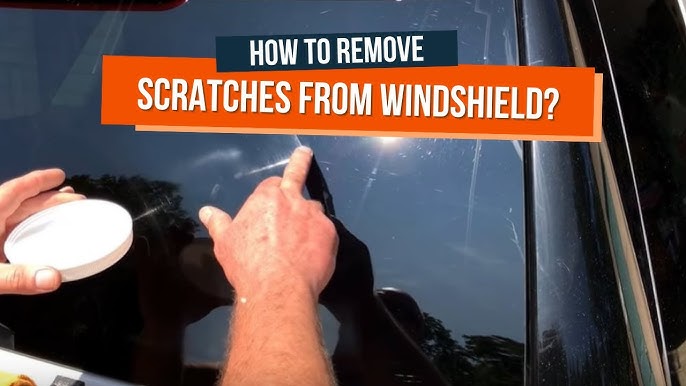
Conclusion
Buffing can improve minor windshield scratches effectively. Use proper glass polish and gentle motions. Avoid strong abrasives that can damage glass. Deep scratches often need professional help or replacement. Keep the glass wet to prevent heat damage. Test the polish in a small area first.
Careful buffing preserves windshield clarity and safety. Regular maintenance helps avoid bigger problems later. Simple steps can restore your windshield’s look and function.