
A small crack in your windshield might seem harmless at first, but ignoring it could cost you much more down the road. You’re probably wondering, “How much will it actually cost to fix this?” The good news is that repairing a minor crack is usually quicker and cheaper than replacing the entire windshield.
But the price depends on a few key factors you need to know. You’ll discover exactly what influences the cost, why acting fast can save you money, and whether a DIY fix is worth trying. Keep reading to protect your car and your wallet before that small crack turns into a big problem.
Cost Factors
Several factors affect the cost to fix a small windshield crack. Understanding these helps you estimate the repair price better. Each factor plays a role in the final bill you will see. Let’s explore the main cost factors.
Crack Size
The length of the crack impacts the repair cost directly. Small cracks usually cost less to fix. Larger cracks need more resin and time, increasing the price. Generally, cracks under six inches are cheaper to repair.
Crack Location
Where the crack sits on your windshield matters a lot. Cracks near the edges may spread faster and cost more. Damage in the driver’s line of sight often requires careful repair. This can raise the price due to safety concerns.
Type Of Damage
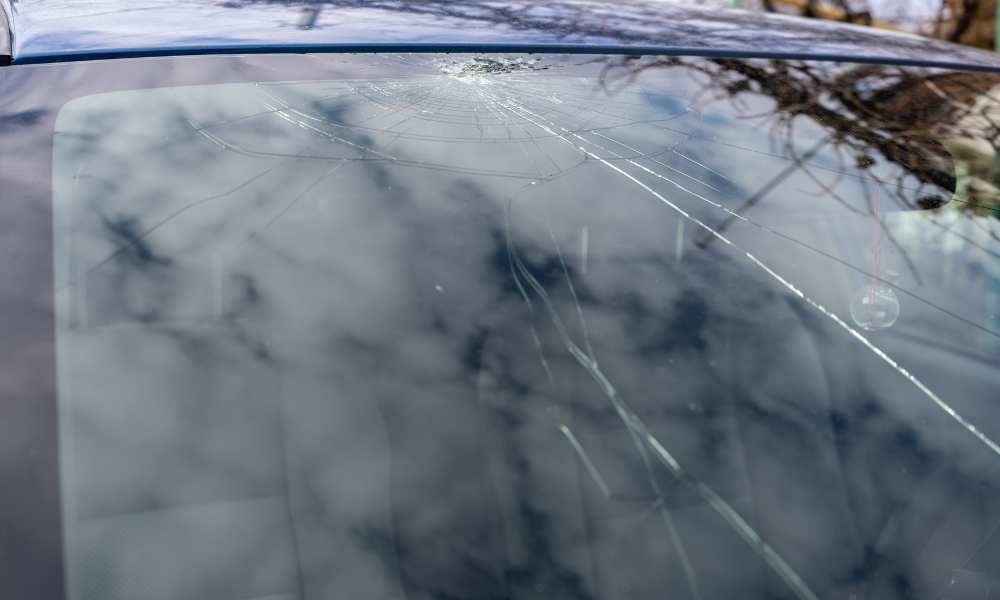
Different kinds of cracks need different repair methods. Star cracks, chips, and bullseyes each have unique challenges. Some types require more resin and labor to fix properly. The complexity of the damage affects the cost.
Labor And Materials
Labor costs vary by region and shop. Skilled technicians may charge more but ensure quality work. The type and amount of resin used also add to expenses. Some shops include a warranty, which may influence the price.
Repair Vs Replacement
Deciding between repairing or replacing a small windshield crack depends on several factors. The size, location, and depth of the crack affect the choice. Repair is usually cheaper and faster. Replacement costs more but may be necessary for safety. Understanding when to repair or replace helps you save money and stay safe on the road.
When To Repair
Repair is best for cracks smaller than a dollar bill. Chips and cracks away from the driver’s direct view can often be fixed. Minor cracks that do not reach the edges usually qualify for repair. Professionals fill the crack with resin to stop it from spreading. Repairing early prevents bigger damage and costs less.
When To Replace
Replacement is needed if the crack is larger than a dollar bill. Cracks that reach the windshield’s edge spread quickly. Damage in the driver’s line of sight can cause vision problems. Deep or multiple cracks also require replacement. Replacing the windshield restores full strength and clarity.
Impact On Safety And Visibility
Cracks weaken the windshield and reduce its protection. A damaged windshield may not hold up in an accident. Cracks in the driver’s view cause glare and blur vision. Repair or replacement ensures clear sight and safety. Acting quickly prevents cracks from worsening and affecting driving.
Diy Repair Kits
DIY repair kits offer a budget-friendly way to fix small windshield cracks at home. These kits include resin and tools to stop cracks from growing. They work best on minor damage, saving time and money compared to professional repairs.
Using a DIY kit can be simple, but knowing what damage you can fix is key. Not all cracks are suitable for at-home repair. Understanding the right process and risks helps avoid worsening the problem.
Suitable Damage Types
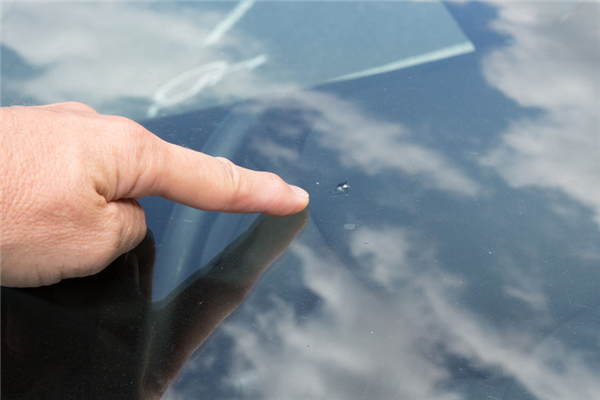
DIY kits work well on small chips and short cracks, usually less than three inches. They can fill star breaks or bullseye cracks that do not reach the glass edge. Damage in the driver’s direct view is not ideal for DIY repair. Deep or large cracks require professional attention.
Step-by-step Repair Process
Start by cleaning the damaged area with a cloth. Next, attach the repair device included in the kit over the crack. Inject the resin into the crack using the tool’s syringe. Allow the resin to cure under sunlight or UV light. Finally, remove excess resin with a razor blade for a smooth finish.
Limitations And Risks
DIY kits cannot fully restore windshield strength. Cracks may still spread if the repair is poor. Incorrect use might cause bubbles or uneven resin filling. Kits do not work well on cracks longer than a few inches. In some cases, a professional replacement is safer and more reliable.
Professional Repair Services
Professional repair services offer a reliable solution for fixing small windshield cracks. Skilled technicians use specialized tools and resins to restore the glass’s strength. This service helps prevent cracks from spreading and avoids costly replacements. Choosing a professional ensures the repair lasts and maintains your vehicle’s safety.
Service Providers
Many auto glass shops provide windshield crack repair. National chains and local businesses both offer this service. Some mobile services come to your home or work for convenience. Certified technicians follow industry standards for quality repairs. Checking reviews and credentials helps find trustworthy providers.
Cost Estimates
The cost to fix a small windshield crack varies by location and crack size. Typical prices range from $50 to $150. Some shops offer free quotes or inspections before repair. Insurance may cover repair costs with little to no deductible. Quick repairs save money by avoiding full windshield replacement.
Warranty And Guarantees
Many professional repair services include warranties on their work. Warranties cover repair defects and resin failures for months or years. Guarantees provide peace of mind and prove the service quality. Always ask about warranty terms before agreeing to the repair. A strong warranty shows confidence in the repair’s durability.
Insurance Coverage
Insurance coverage can reduce the cost of fixing a small windshield crack. Understanding your policy helps you avoid surprise expenses. Different insurance plans cover glass damage in various ways. Knowing the claim process and possible out-of-pocket costs prepares you for the repair journey.
Types Of Coverage
Comprehensive insurance often covers windshield repairs. It protects against damage from weather, accidents, and vandalism. Some policies include full glass coverage with no deductible. Others require you to pay a small deductible before coverage applies. Collision coverage usually does not cover glass damage. Check your policy details to understand what applies.
Claim Process
Start by reporting the crack to your insurance company. They may ask for photos or a damage description. The insurer might direct you to an approved repair shop. Some companies offer mobile repair services for convenience. After approval, the repair shop fixes the crack quickly. Keep all receipts and documents for your records.
Out-of-pocket Costs
Your costs depend on your insurance deductible and coverage. With full glass coverage, you may pay nothing. If a deductible applies, expect to pay that amount. Repair costs usually range from $50 to $150. Replacing a windshield costs much more, often $200 to $400. Acting fast can keep costs low by preventing crack spread.
Preventing Crack Spread
Small windshield cracks need quick care to stop them from growing. Preventing crack spread saves money and keeps your glass safe. Taking the right steps can slow or stop damage. Protect your windshield by acting fast.
Immediate Actions
Cover the crack with clear tape to keep dirt out. Avoid washing your car until repaired. Park in the shade to reduce heat stress. Drive carefully to avoid bumps or potholes. These steps help stop the crack from getting worse.
Environmental Factors
Heat makes cracks expand, so avoid direct sun. Cold causes glass to contract and crack further. Rapid temperature changes can worsen damage quickly. Try to park in a garage or sheltered area. Keep windows closed to maintain inside temperature.
Maintenance Tips
Check your windshield regularly for new cracks or chips. Clean gently with a soft cloth and mild cleaner. Avoid using harsh chemicals or scrapers on the glass. Schedule repairs early to prevent costly replacements. Use professional repair kits if needed for small cracks.
Timing For Repairs
Timing plays a crucial role in fixing a small windshield crack. Acting promptly can save money and prevent further damage. The right moment to repair ensures the crack stays manageable and the windshield remains safe.
Why Act Quickly
Small cracks can grow fast due to heat, cold, or road bumps. Repairing early stops the crack from spreading. Early repair also costs less than full windshield replacement. Insurance often covers quick fixes with minimal cost. Quick action keeps driving safe by maintaining clear visibility.
Risks Of Delayed Repair
Delaying repair lets cracks grow larger and deeper. Bigger cracks weaken the glass structure and increase breakage risk. Delays often lead to full windshield replacement, which is costly. Cracks in the driver’s view cause safety hazards and legal issues. Waiting too long can make repairs impossible and unsafe.

Conclusion
Fixing a small windshield crack usually costs less than replacing glass. Acting quickly helps prevent the crack from growing larger. Small repairs often use resin to seal and protect the glass. Location and size affect whether repair or replacement is best.
Professional help ensures safety and a clear view while driving. DIY kits work for tiny chips but may not fix bigger cracks well. Checking your windshield soon saves money and hassle later. Keep your car safe with timely crack repairs.