
You might be wondering, “Can I still drive with a cracked windshield?” It’s a common question because cracks happen easily—from small chips to long fractures. But before you hit the road, you need to understand how that crack affects your safety and whether it’s even legal to drive like that.
Your windshield isn’t just glass; it plays a crucial role in protecting you and keeping your view clear. Ignoring a crack could put you at risk of accidents, fines, or even more expensive repairs down the line. Keep reading to find out when it’s unsafe or illegal to drive with a cracked windshield, why it’s dangerous, and what you should do right now to stay safe on the road.
Legality Of Driving With A Cracked Windshield
Driving with a cracked windshield raises important legal questions. Laws vary by location, but all aim to keep drivers safe. Cracks can block vision or weaken the glass, creating hazards on the road. Understanding the legal limits helps drivers avoid fines and stay protected.
Laws In Austin, Texas
Austin enforces strict rules about windshield damage. The windshield must not have cracks that block the driver’s view. Any crack that impairs safe driving is illegal. Officers can stop vehicles if the windshield is unsafe. Drivers must fix or replace damaged windshields promptly.
State Regulations And Penalties
Texas law requires windshields to be free of cracks in critical areas. Cracks near the driver’s line of sight often lead to citations. Penalties include fines and orders to repair the windshield. Repeat offenses may result in higher fines or vehicle inspection failures. Keeping the windshield in good condition avoids legal trouble.
When A Crack Becomes Illegal
Cracks that impair driver vision are illegal in most cases. Damage at the windshield edges risks glass shattering and is also prohibited. Small chips away from the driver’s view may not be illegal but should be repaired. Large cracks or spiderweb patterns always require immediate attention. Driving with dangerous cracks risks fines and accidents.
Safety Risks Of Cracked Windshields
Driving with a cracked windshield poses serious safety risks. The damage affects more than just the glass. It can impact your vision, weaken the vehicle’s structure, and increase the chance of the windshield breaking suddenly. Understanding these risks helps you make safer choices on the road.
Obstructed Driver Vision
Cracks can block parts of the windshield. This makes it hard to see the road clearly. Small cracks can grow and spread quickly. Distorted vision leads to slower reaction times. It becomes difficult to spot pedestrians, signs, and other vehicles.
Structural Weakness And Roof Support
The windshield supports the car’s roof. Cracks reduce its strength and stability. In a rollover accident, a weak windshield may collapse. This increases the risk of injury to the passengers. The damaged glass also lowers the car’s overall safety performance.
Risk Of Sudden Shattering
Cracks weaken the glass and make it fragile. Changes in temperature or road bumps can cause sudden shattering. Flying glass can hurt the driver and passengers. A shattered windshield also leaves the car exposed to debris and weather.
Types And Locations Of Cracks
Cracks in a windshield come in various types and appear in different locations. Each type affects driving safety in unique ways. Understanding where cracks form and their sizes helps decide if driving is safe.
Cracks In The Driver’s Line Of Sight
Cracks directly in front of the driver are the most dangerous. They block clear vision and distract the driver. Even small cracks here reduce visibility, increasing accident risk. These cracks require immediate repair or replacement.
Cracks Near Windshield Edges
Cracks close to the edges of the windshield spread faster than others. The edges hold the glass in place, so damage here weakens the entire windshield. These cracks can cause the windshield to fail during a collision or when driving on rough roads.
Small Chips Vs. Large Cracks
Small chips are usually less harmful and may be repaired easily. Large cracks are more serious and often need full windshield replacement. Cracks longer than a few inches can compromise the glass strength and driver safety.

How Long Can You Drive With A Crack?
Knowing how long you can drive with a cracked windshield is important for safety. The answer depends on several factors. Cracks can start small but may grow quickly. Some cracks may last days, while others spread in hours. Understanding these details helps decide when to fix or replace the glass.
Factors Affecting Crack Stability
Windshield cracks change based on size, location, and weather conditions. Temperature shifts cause glass to expand and contract, making cracks grow. Driving on rough roads or hitting bumps can worsen the crack. Cracks near the edges are less stable and spread faster. Small chips in the center may stay stable longer.
Safe Timeframes For Small Cracks
Small cracks or chips might stay stable for weeks or months. They usually do not block your view if they are outside the driver’s direct line of sight. Avoid washing your car with high-pressure water near the crack. Limit driving on rough or bumpy roads. Watch for any changes in the crack’s size or shape.
Urgency For Repair Or Replacement
Cracks that block your vision require immediate attention. Large cracks or those near edges can weaken the windshield’s strength. A damaged windshield may fail in an accident or from road debris. Repair small cracks quickly to prevent spreading. Replace the windshield if cracks are too large or growing fast. Safety and legal rules often demand quick fixes.
Repair And Replacement Options
Choosing the right option between repairing and replacing a cracked windshield depends on several factors. Understanding these options helps keep your vehicle safe and legal on the road. This section explains when repair or replacement fits best, explores DIY and professional services, and covers the costs you should expect.
When To Repair Vs. Replace
Small chips or cracks under six inches usually qualify for repair. Repairs fix minor damage without removing the windshield. Large cracks or multiple cracks often need a full replacement. Damage near the edges weakens the windshield’s strength and calls for replacement. A replacement restores full safety and visibility. Safety rules require a clear view, so large cracks cannot be ignored.
Diy Repair Kits And Professional Services
DIY kits offer a quick fix for small chips and cracks. They use resin to fill the crack and stop it from spreading. These kits work best on minor damage and cost less than professional help. Professional services use special tools and resins that provide stronger repairs. Experts can also replace the windshield if needed. Professionals ensure the job meets safety standards and local laws.
Cost Considerations
Repair costs vary from $50 to $150 depending on crack size and location. Replacements cost more, usually between $200 and $500 or higher. Insurance may cover some or all costs, depending on your policy. Repairs save money but only work for small cracks. Replacements cost more but restore full safety. Consider the damage size and your budget before deciding.
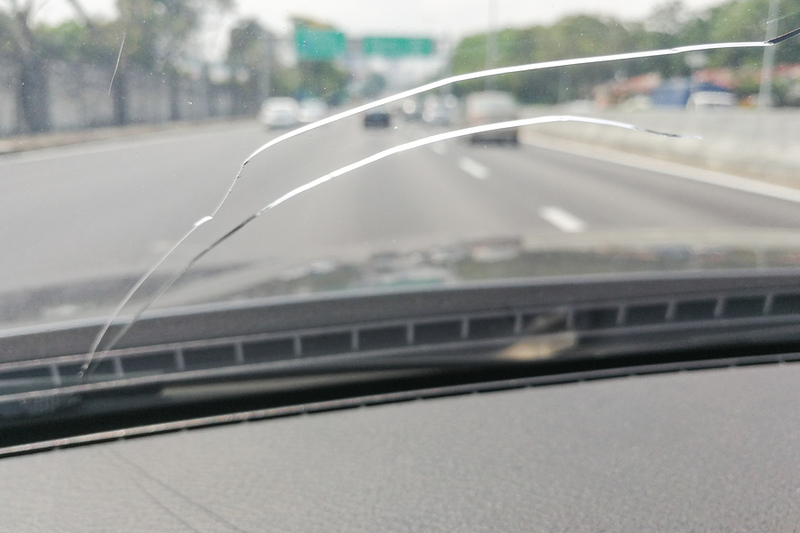
Preventing Further Damage
Preventing further damage to a cracked windshield is crucial for safety and cost savings. Small cracks can quickly grow larger under stress. Taking simple steps helps keep the crack from spreading. This also keeps your windshield stable until repair or replacement.
Avoiding Stress On The Windshield
Do not slam car doors or hit bumps hard. Sudden shocks cause cracks to widen fast. Park in shaded areas to avoid heat changes. Extreme temperature shifts weaken glass around the crack.
Driving Tips With A Crack
Drive slowly on rough roads. Fast driving shakes the windshield more. Avoid sudden stops and sharp turns. Keep a steady speed to reduce pressure on the glass.
Environmental Factors To Consider
Cold weather makes glass brittle and more likely to crack. Use a windshield cover to protect from frost. Avoid washing your car with hot water on cold glass. Strong sunlight can also expand cracks quickly.
Insurance And Maintenance Tips
Dealing with a cracked windshield involves more than just safety concerns. Understanding insurance options and proper maintenance can save money and prevent further damage. Taking care of your windshield promptly keeps your vehicle safe and roadworthy.
Coverage For Windshield Repairs
Many insurance policies include windshield repair or replacement. Check your policy details to see if glass damage is covered. Some insurers offer full coverage with no deductible for repairs. Filing a claim early may avoid larger costs later. Always report the damage to your insurer quickly to get guidance on next steps.
Regular Windshield Inspections
Inspect your windshield regularly for new chips or cracks. Small cracks can grow rapidly due to weather or bumps in the road. Catching damage early helps prevent costly replacements. Use a flashlight to spot cracks, especially near edges. Schedule professional inspections if unsure about the damage severity.
Getting Your Car Washed With A Crack
Car washes can worsen windshield cracks if not careful. Avoid high-pressure water jets directly on the crack. Hand washing is a safer option to protect fragile glass areas. Inform the car wash staff about the crack to ensure gentle handling. Keeping the windshield clean helps visibility and reveals new damage early.

Conclusion
Driving with a cracked windshield can be risky and sometimes illegal. Cracks that block your view or grow near edges need urgent attention. Such damage weakens the glass and can cause it to shatter suddenly. Small chips may seem harmless but can spread fast.
Repairing or replacing the windshield keeps you safe on the road. Always check local laws and prioritize clear vision while driving. Staying cautious protects you and others from accidents caused by damaged windshields.