
Have you ever been stuck behind the wheel, struggling to see through a foggy windshield? It’s frustrating and dangerous.
When your car’s inside windshield fogs up, it can block your view and put you at risk. But don’t worry—you can clear it up quickly and keep your drive safe. You’ll discover simple, effective steps to remove fog from your windshield fast.
You’ll also learn easy tips to prevent fog from forming again. Ready to regain clear vision and drive with confidence? Keep reading to find out how.
Causes Of Inside Windshield Fog
Fog forms on the inside of a windshield when moisture collects on the glass. This happens because warm, moist air meets the cold glass surface. Understanding the causes helps prevent and remove fog quickly.
Two main factors cause this fog: humidity and temperature differences, and moisture sources inside the car. Both play a key role in fog formation.
Humidity And Temperature Differences
Inside windshield fog appears when warm air inside the car touches cold glass. Warm air holds more moisture than cold air. When this moist air cools down near the glass, it releases water droplets. These droplets create the foggy layer.
Temperature changes outside also affect the glass temperature. On cold days, the windshield becomes much colder than the air inside. This difference causes condensation on the glass surface.
Moisture Sources Inside The Car
Moisture inside the car raises humidity levels and causes fog. Wet clothes, shoes, or umbrellas bring water inside. People breathing also add moisture to the air.
Leaks in windows or doors let rain or snow enter. Spills or damp floor mats increase moisture too. All these sources raise humidity, making fog more likely.
Quick Defogging Methods
Fog on the inside of a windshield can block your view and create dangerous driving conditions. Quick defogging methods help clear the glass fast. These simple steps use your car’s built-in features and a few handy tools. They improve visibility and keep you safe on the road.
Using Defroster With Ac And Heat
Turn on your defroster to blow air directly on the windshield. Switch on the air conditioning to dry the air inside the car. Set the heat to warm the glass and evaporate moisture. This mix of heat and dry air clears fog quickly. It prevents water droplets from sticking to the glass.
Switching To Fresh Air Mode
Turn off the air recirculation button inside your car. This allows fresh air from outside to enter. Outside air is usually less humid than inside air. Bringing in fresh air lowers moisture inside the cabin. This step speeds up the defogging process and keeps your windshield clear.
Cracking Windows For Airflow
Open your windows slightly to let humid air escape. This creates airflow that replaces moist air inside. Fresh, drier air enters the car through the open windows. This simple trick reduces fog faster than using the AC alone. It also stops fog from building up again.
Wiping With Microfiber Cloth Or Anti-fog Wipes
Keep a clean microfiber cloth in your car for quick wiping. Gently wipe the inside of the windshield to remove moisture. Use anti-fog wipes for a longer-lasting effect. These wipes create a thin layer that prevents fog from forming. Wiping is a fast fix when defrosters take time to work.
Tools And Products For Defogging
Removing fog from the inside of your windshield requires the right tools and products. These items help clear moisture quickly and keep your view clear. Using effective defogging supplies improves safety and comfort during drives. Choose products designed to stop fog from forming or to clean existing fog.
Anti-fog Sprays And Wipes
Anti-fog sprays and wipes create a thin, invisible barrier on your windshield. This barrier stops moisture from sticking to the glass. Sprays are easy to apply and work for hours. Wipes are convenient for quick use and travel. Both options reduce fog buildup and improve visibility instantly.
Dehumidifying Packs And Silica Gel
Dehumidifying packs absorb moisture inside your car. Place them on your dashboard or near the windshield. Silica gel packets also pull humidity from the air. These products reduce the dampness that causes fog. Use them regularly to keep your windshield clear longer.
Cleaning Supplies For Windshield
Clean glass fogs less because dirt and oils hold moisture. Use glass cleaner and microfiber cloths to wash your windshield inside. Avoid ammonia-based cleaners that can damage tint or plastic. A clean windshield helps anti-fog products work better and prevents haze buildup.
Preventing Future Fog Build-up
Preventing future fog build-up on your windshield keeps your view clear and driving safer. Simple habits and smart products reduce moisture and fog inside the car. This section explains key steps to stop fog from returning after cleaning.
Keeping The Windshield Clean
Dirt and oils on the glass attract moisture and cause fogging. Clean the inside of your windshield regularly with a glass cleaner. Use a microfiber cloth to avoid streaks and residue. Clear glass helps air flow evenly and reduces fog formation.
Removing Moisture Sources
Moisture inside the car causes fog to form on the glass. Check for wet floor mats or leaks that trap water. Dry any damp areas quickly. Use silica gel packs or a small dehumidifier in the vehicle to absorb excess moisture. Keep windows closed during rain and snow to prevent humidity build-up.
Applying Long-lasting Anti-fog Treatments
Anti-fog sprays create a thin barrier that stops condensation on the glass. Apply these treatments following the product instructions for best results. Some treatments last for weeks, reducing the need for frequent wiping. Reapply regularly to maintain clear visibility and prevent fog from forming.
Tips For Different Weather Conditions
Fog inside a windshield can be stubborn, especially under varying weather conditions. Different temperatures and humidity levels affect how fog forms and clears. Adapting your approach to the weather helps remove fog quickly and safely. Below are practical tips for cold and warm weather to keep your windshield clear.
Defogging In Cold Weather
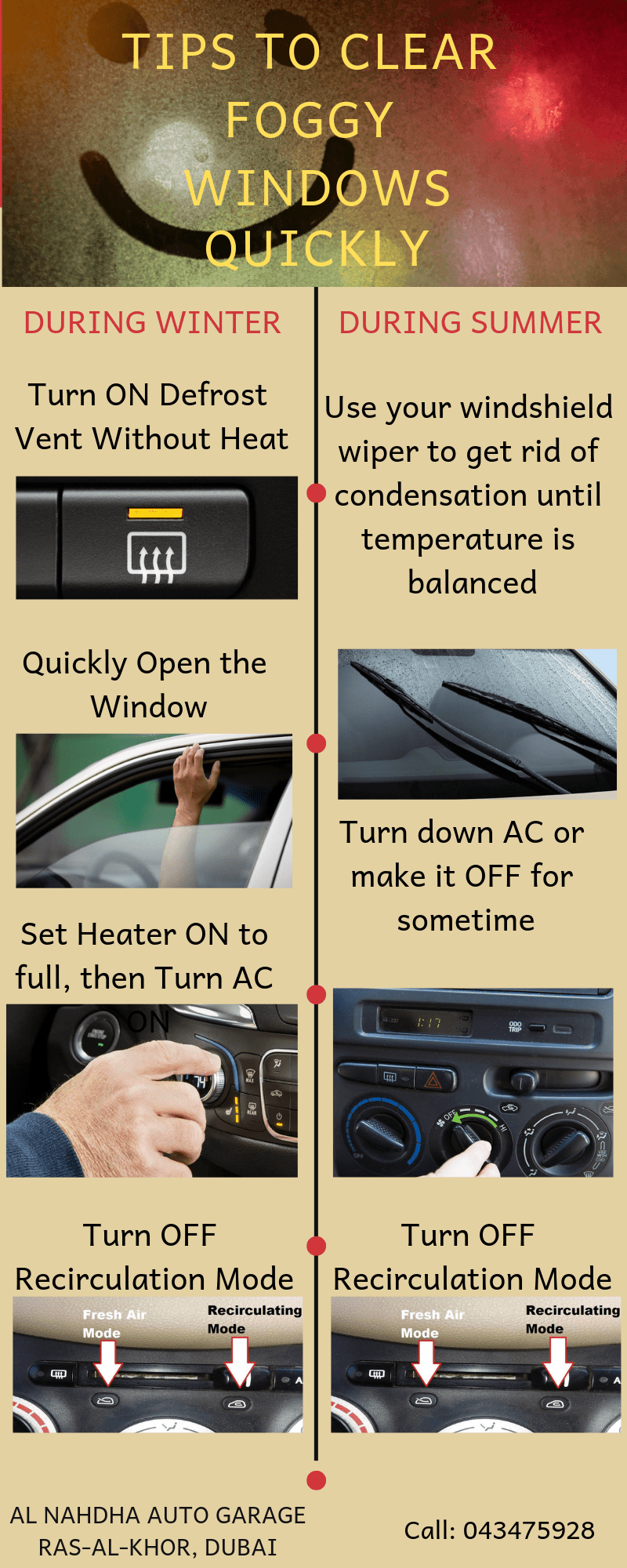
Cold weather causes moisture to condense quickly on cold glass. Start by turning on your defroster and setting the heat high. This warms the windshield and evaporates the fog. Turn on the air conditioning too; it removes moisture from the air inside your car.
Switch off air recirculation. Fresh outside air is usually drier and helps clear fog faster. Crack your windows slightly to let humid air escape. Use a clean cloth to wipe the glass if fog sticks. Avoid breathing directly on the glass as it adds moisture.
Managing Fog In Warm Weather
Warm weather often brings humidity inside the car. Use the air conditioner to cool and dry the air inside. Set the defroster to blow air onto the windshield. Keep the heat low or off to prevent adding warmth that can increase fogging.
Turn off air recirculation to bring in fresh air. Open windows a little to release humid air. For stubborn fog, apply an anti-fog spray designed for car windows. Regular cleaning of your windshield also reduces fog buildup over time.

Common Mistakes To Avoid
Removing fog from your windshield inside is essential for safe driving. Some common mistakes make the problem worse or slow down clearing. Avoiding these errors helps keep your view clear and improves your driving comfort.
Using Recirculated Air
Many drivers keep the recirculated air mode on to stay warm or cool. This traps moist air inside the car. Moist air increases fog buildup on the windshield. Always switch off recirculation and bring in fresh outside air. Fresh air reduces humidity inside the cabin quickly. This step speeds up defogging and keeps windows clear longer.
Neglecting Interior Cleaning
Dirt and oils on the windshield’s inside worsen fogging. Dust and grime hold moisture, causing a foggy film. Regularly clean your windshield interior with a glass cleaner. Use a microfiber cloth for streak-free results. A clean glass surface reduces fog and improves visibility. Ignoring this step often leads to persistent fog and unsafe driving conditions.

Conclusion
Removing fog from your windshield inside is simple with the right steps. Use your defroster, AC, and heat to clear moisture fast. Always bring in fresh air by turning off recirculation and cracking windows slightly. Keep your windshield clean and dry to prevent fog buildup.
Wiping with a clean cloth or using anti-fog sprays helps with stubborn fog. These easy actions improve your driving visibility and safety. Stay prepared and enjoy a clear view every time you drive.