
Have you ever wondered if you can tint your front windshield? It’s a question many drivers ask, especially when looking for ways to keep their car cooler and reduce glare.
Tinting the front windshield isn’t as simple as tinting side or rear windows—it comes with strict rules and safety concerns you need to know. Before you decide to darken your view, understanding the benefits, risks, and legal limits is key.
Keep reading to discover if tinting your front windshield is right for you, how it can protect your car, and what laws you must follow to stay safe and legal on the road.
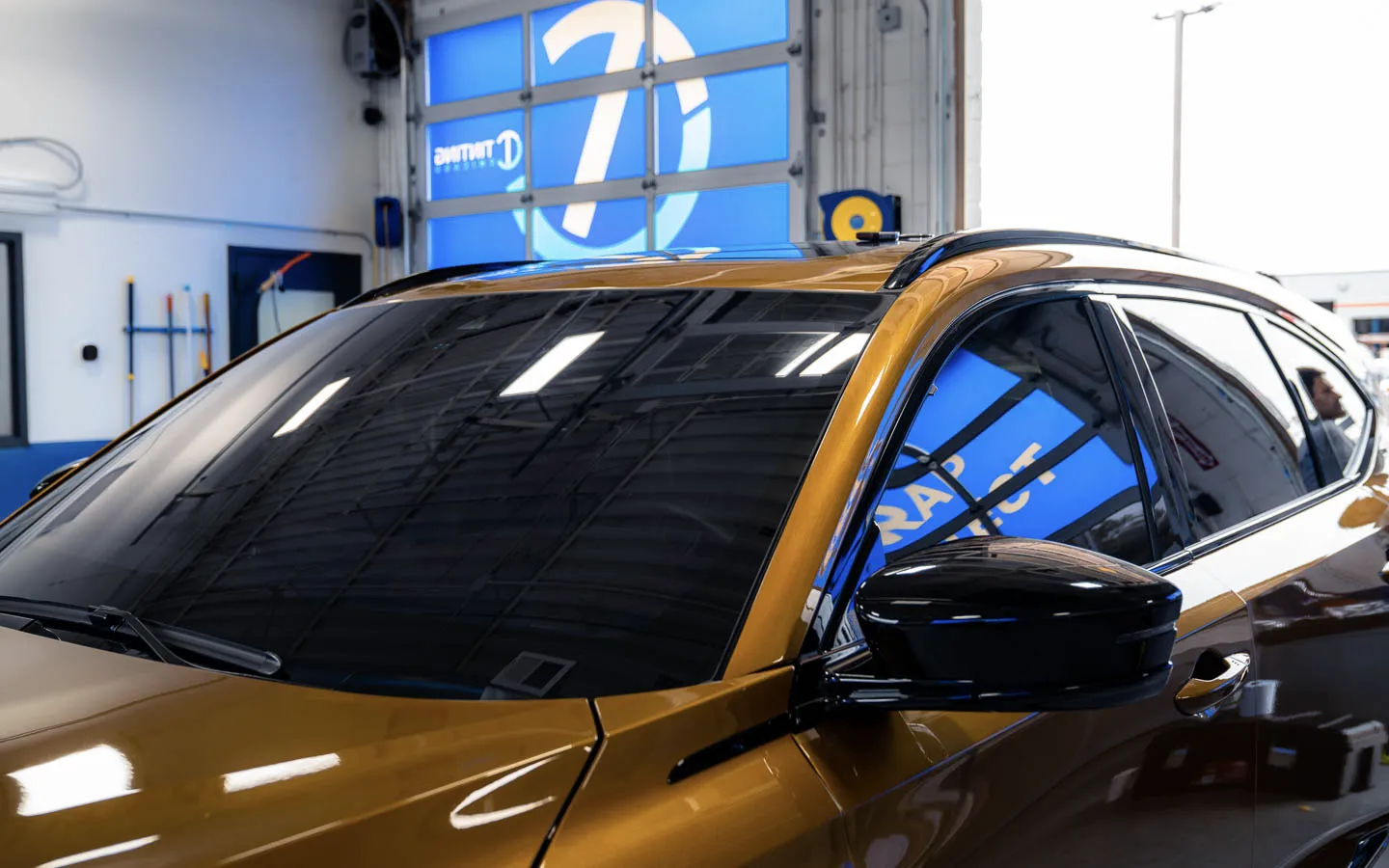
Benefits Of Front Windshield Tinting
Tinting the front windshield offers several practical benefits beyond just style. It can improve comfort, protect your vehicle, and enhance driving safety. Many drivers find these advantages valuable, especially in sunny or hot climates.
Heat Reduction
Tinted windshields block much of the sun’s heat. This keeps the car interior cooler. It lowers the need for air conditioning. Reduced AC use means better fuel efficiency. You feel more comfortable during hot days. The car stays cool even after parking under the sun.
Glare Control
Sun glare can make driving difficult and unsafe. Tinted windshields reduce glare from sunlight and headlights. This helps your eyes stay relaxed and focused. It improves visibility, especially during sunrise and sunset. Clearer vision means safer driving and less eye strain.
Protecting Interior
UV rays from the sun damage car interiors over time. Tinted glass blocks harmful UV radiation. This prevents fading and cracking of seats and dashboards. Your car’s interior stays newer for longer. It saves money on repairs and replacements.
Enhanced Appearance
A tinted windshield gives the car a sleek and uniform look. It can make the vehicle appear more modern and stylish. The subtle tint adds a touch of elegance without being too dark. This small change can boost your car’s curb appeal.

Drawbacks And Risks
Tinting the front windshield may seem appealing. It can reduce heat and glare effectively. Yet, several drawbacks and risks exist. These issues affect safety, legality, and daily driving experience. Understanding these concerns helps make a wise decision.
Legal Limitations
Many states have strict laws on windshield tinting. Usually, only a light strip at the top is allowed. Dark tints on the entire windshield are often illegal. Breaking these laws can lead to fines and penalties. Always check local regulations before tinting.
Reduced Visibility
Dark tint on the front windshield lowers visibility, especially at night. It can make driving in rain or fog dangerous. Reduced light passing through can delay reaction times. This increases the risk of accidents. Clear vision is crucial for safe driving.
Attention From Law Enforcement
Heavily tinted windshields often attract police attention. Officers may stop the vehicle for inspection. This can lead to warnings or tickets. Repeated stops cause inconvenience and stress. Keeping tint within legal limits avoids these problems.
Legal Regulations By State
Each state has its own laws about tinting the front windshield. These laws protect drivers and passengers. They also help police officers see inside cars. Understanding these rules is important before tinting your windshield. Rules vary widely. Some states allow only a small strip of tint at the top. Others have strict limits on how dark the tint can be.
Common Rules
Most states do not allow dark tint on the entire front windshield. Usually, only a small area at the top can be tinted. The rules aim to keep drivers safe by ensuring clear visibility. Police must be able to see inside the car. This helps in emergencies and law enforcement. Some states require medical exemption paperwork for darker tints.
Top Strip Allowances
Many states allow a tinted strip across the top of the windshield. This strip reduces sun glare while driving. The allowed strip usually measures between 2 and 6 inches deep. The tint on this strip can be darker than the rest of the windshield. This helps block sunlight without affecting driver visibility. The exact size and darkness depend on state law.
Visible Light Transmission Requirements
Visible Light Transmission (VLT) is the amount of light that passes through the tint. States set minimum VLT percentages to keep tint light enough. For front windshields, VLT limits usually range from 70% to 90%. This means 70% to 90% of light must pass through the glass. Lower VLT numbers mean darker tint. Always check your state’s VLT rule before tinting.
Non-reflective Standards
Some states also control how reflective the tint can be. Reflective tints act like mirrors and can blind other drivers. Non-reflective standards limit the mirror-like shine on tinted glass. These rules protect other drivers from glare. The limits usually apply to front and side windows. Reflective tint is often banned or allowed only in small amounts.
State Examples
State laws on front windshield tinting vary widely across the United States. Some states allow light tinting, while others restrict it completely. Understanding each state’s rules helps drivers stay legal and safe. Below are examples from four key states with different regulations.
Texas
Texas permits a light tint on the top 5 inches of the windshield. This strip must allow more than 25% of light to pass through. No tint is allowed on the lower part of the windshield. The side windows must have at least 25% visible light transmission. Police often check for compliance, so following these rules is important.
Virginia
Virginia does not allow any tint on the front windshield. The law requires the windshield to be clear. Some vehicles may have a factory tint strip along the top, but no additional tinting is allowed. The side windows must have at least 35% visible light transmission. Virginia emphasizes clear visibility for safety reasons.
New York
New York forbids tinting on the front windshield except for a non-reflective strip at the top. This strip cannot extend more than 6 inches down from the roof. The front side windows must allow at least 70% of light through. This strict rule aims to ensure maximum driver visibility during all conditions.
California
California allows a tint strip on the top 4 inches of the windshield. The rest of the windshield must be clear. The front side windows must have a visible light transmission of at least 70%. California law focuses on balancing sun glare reduction with driver visibility. Enforcement is strict to avoid unsafe tint levels.
Choosing The Right Tint
Choosing the right tint for your front windshield affects comfort and safety. A good tint reduces glare, heat, and UV rays. It also protects the car’s interior from fading. Not all tints are equal. Some are better for certain needs and laws. Understanding tint options helps you make the best choice.
Light Vs Dark Tint
Light tints let more light through. They keep visibility clear while reducing some glare. Dark tints block more light and heat but may hurt night vision. Many states limit how dark front windshield tint can be. Light tints meet legal rules and improve comfort without safety risks.
Ceramic And Infrared Blocking Options
Ceramic tints block heat without darkening windows much. They stop infrared rays that cause heat buildup inside cars. Infrared blocking films keep the cabin cooler and reduce air conditioning use. These options offer heat protection with good visibility and no color change.
Safety Priorities
Visibility is key for safe driving. Dark tints on front windshields can hide hazards at night. Police may stop cars with illegal tint levels. Choose tints that meet local laws to avoid tickets. A legal, light tint balances heat control and driver safety well.
Checking Local Tint Laws
Before tinting your front windshield, checking local tint laws is crucial. Each state or region sets specific rules about how dark or reflective the tint can be. Following these laws helps avoid fines or having to remove the tint later. Understanding these rules ensures your tint is safe, legal, and effective.
Consult Dmv Resources
The Department of Motor Vehicles (DMV) is a reliable source for tint regulations. Visit your local DMV website or office for clear guidelines. They explain the allowed visible light transmission (VLT) levels for front windshields. DMV resources often provide updates and details on fines or penalties for illegal tinting.
Use Reputable Tint Law Websites
Several websites specialize in vehicle tint laws by state or city. These sites offer easy-to-understand summaries of legal limits. They often list exceptions and provide examples of compliant tint shades. Choose websites that update frequently and cite official sources for accuracy.
Stay Updated On Law Changes
Tint laws can change due to safety concerns or new technology. Checking for updates regularly helps you stay compliant. Subscribe to newsletters or alerts from DMV or tint law websites. Staying informed prevents unexpected legal issues and keeps your vehicle safe on the road.
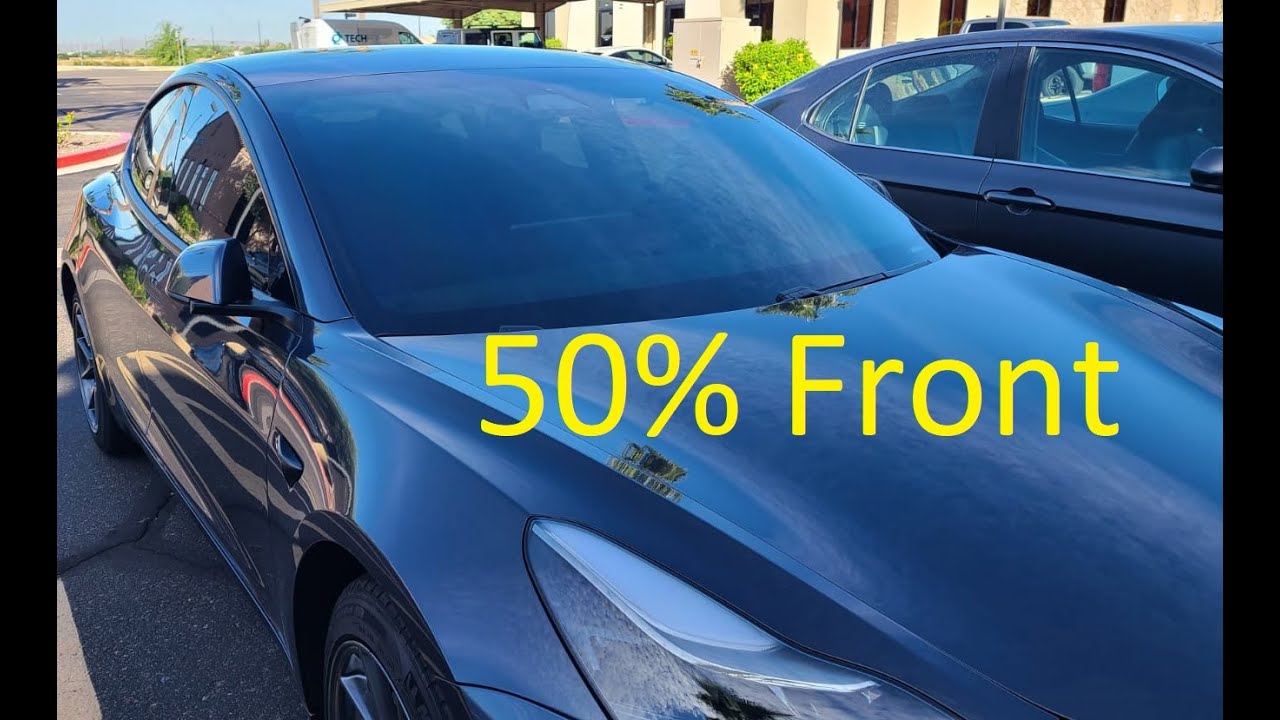
Conclusion
Tinting the front windshield can offer many benefits like heat and glare reduction. Light tints protect your car’s interior and improve comfort. Always check local laws before tinting to avoid fines. Dark tints may reduce night visibility and cause safety risks.
A subtle, legal tint balances style, comfort, and safety well. Think carefully about your needs and local rules before deciding. This helps keep you safe and within the law while enjoying the advantages.