
A 6 inch crack in your windshield can be worrying. You might wonder if it’s something you can fix or if you’ll need a full replacement.
The good news is, not all cracks are the same, and some can be repaired easily—saving you time and money. But how do you know if your crack is repairable? And what should you do next to keep yourself safe on the road?
You’ll discover the key factors that determine whether a 6 inch crack can be repaired, the risks of ignoring it, and the best steps to take right now. Keep reading to find out how to protect your windshield and your peace of mind.

Crack Size Limits
Understanding crack size limits is key to deciding if a 6 inch crack in your windshield can be repaired. Not all cracks qualify for repair. Size, depth, and impact details affect repair options. These factors help technicians determine the best approach for safety and durability.
Standard Repair Size
Most windshield repair experts set a maximum crack length for repairs. Typically, cracks up to 6 inches can be repaired safely. Cracks longer than this often require a full windshield replacement. Repairing smaller cracks preserves the glass strength and saves money.
Depth Considerations
The crack’s depth is as important as its length. Windshield glass has layers; damage that penetrates deeply may weaken the structure. Cracks deeper than a quarter inch usually cannot be fixed effectively. Shallow cracks that only affect the surface are better candidates for repair.
Impact Point Dimensions
The size of the crack’s impact point also matters. Small impact points, about the size of a dime, are easier to repair. Larger impact areas spread stress and cause more damage. Repairs on small impact points restore clarity and strength better than on large damaged zones.
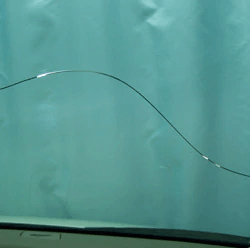
Crack Types
Understanding the types of cracks in a windshield helps determine repair options. Each crack type affects the windshield’s strength differently. Some cracks are easier to fix, while others may need full replacement. Knowing crack types is key to making the right choice.
Radiating Cracks
Radiating cracks spread outward from the impact point. They look like small lines shooting out in several directions. These cracks weaken the glass structure quickly. Repair is possible if they are short, usually under six inches. Longer radiating cracks often require replacement.
Bullseye And Star Breaks
Bullseye cracks are circular with a clear center. Star breaks have lines extending like a star from the impact. Both cracks start from one small spot. These types are often repairable if they stay small. Repair stops the crack from growing and restores strength.
Jagged And Long Cracks
Jagged cracks have uneven, sharp edges and do not follow a clear path. Long cracks stretch across the windshield and may be over six inches. These cracks reduce windshield safety. Repairing jagged or long cracks is difficult. Most of the time, replacement is the safer solution.
Location Impact
The location of a crack on your windshield affects repair options greatly. Some areas make repair possible, while others need full replacement. Understanding the location helps decide the best action for safety and visibility.
Driver’s View Zone
Cracks in the driver’s main view area pose serious risks. This zone includes the part of the windshield directly in front of the driver. Even small cracks here can distort vision and cause glare. Most experts recommend replacing the windshield if damage appears in this zone. Repairs might not restore full clarity or strength where the driver needs it most.
Sensor And Camera Areas
Modern cars have sensors and cameras mounted on the windshield. These help with safety features like automatic braking and lane assist. Cracks near these devices can interfere with their function. Repairing cracks in sensor zones is tricky and often not reliable. Auto glass replacement is usually the safer choice to keep sensors working properly.
Repair Vs Replacement
Deciding between repairing or replacing a 6 inch crack in your windshield depends on several factors. The choice affects safety, cost, and the longevity of your glass. Understanding when repair works and when replacement is necessary helps make the right decision. This section breaks down both options clearly.
When Repair Works
A crack up to 6 inches can sometimes be repaired if it meets certain conditions. Repairs work best for cracks that are shallow and not in the driver’s main line of sight. Chips or cracks with a small impact point, like dime-sized, are ideal for repair. The crack must not be too deep or wide to maintain strength after fixing. Quick action to repair prevents cracks from spreading further. Repairing saves money and keeps the original windshield intact.
When Replacement Is Necessary
Replacement is needed for cracks that are large, deep, or in critical areas. Cracks longer than 6 inches usually weaken the glass too much. Damage in the driver’s direct view harms visibility and safety. Jagged or multiple cracks reduce structural integrity and cannot be safely repaired. If the crack affects sensors or cameras, replacement is the only option. Replacing the windshield restores full strength and safety to the vehicle.
Immediate Actions
Taking immediate action after spotting a 6 inch crack in your windshield can save you money and stress. Small cracks can quickly grow larger. Dirt and moisture worsen the damage. Acting fast helps keep the crack from spreading and affecting your safety.
Protecting The Crack
Cover the crack with clear tape to block dirt and water. Use a piece larger than the crack to fully seal it. This temporary cover prevents debris from entering the crack and stops moisture from weakening the glass.
Park your car in a shaded area or garage to avoid heat changes. Extreme temperatures cause the glass to expand and contract, making the crack bigger. Avoid washing your car until the crack is repaired.
Avoiding Further Damage
Drive carefully and avoid rough roads or sudden bumps. Jolts and vibrations put stress on the crack and make it grow. Slow down over speed bumps and potholes to protect your windshield.
Do not slam car doors. The vibration can spread the crack quickly. Also, avoid rapid temperature changes like using hot water to defrost the glass.
Seek professional help as soon as possible. A glass expert can assess if the 6 inch crack can be repaired or if replacement is necessary.

Professional Assessment
A professional assessment is essential for deciding if a 6 inch crack in your windshield can be repaired. Experts examine the damage closely to determine the best solution. They consider size, depth, and location of the crack. This helps ensure safety and prevents further damage.
Technician Evaluation
A skilled technician inspects the crack carefully. They check for chips, cracks, and the impact point. The crack’s length and depth influence repair options. Cracks longer than a few inches or deep cracks may need replacement. The technician also looks for damage near sensors or cameras. This affects whether repair or replacement is safer. Their experience guides the right choice for your windshield.
Insurance Coverage
Many insurance policies cover windshield repair or replacement. Coverage varies by policy and provider. Some offer repair with low or no deductible cost. It is important to check your insurance details early. Filing a claim can save money on repairs. Insurance may also recommend trusted repair shops for quality service. Knowing your coverage helps avoid unexpected expenses.
Common Repair Methods
Common repair methods for a 6 inch crack in a windshield focus on restoring strength and clarity. The goal is to prevent the crack from spreading further. These methods depend on the crack’s size, shape, and location. Professionals usually recommend specific techniques to ensure safety and durability.
Resin Injection
Resin injection is the most common professional repair method. It involves injecting a special resin into the crack. The resin fills the crack and bonds the glass together. After injection, the resin is cured using ultraviolet light. This hardens the resin, restoring the windshield’s strength.
This method works best on cracks smaller than 12 inches. It improves visibility by reducing the crack’s appearance. Resin injection also stops the crack from growing. The process is quick and usually affordable compared to full replacement.
Diy Fixes To Avoid
Many people try DIY fixes for cracked windshields. These often include using glue, tape, or household items. Such methods rarely provide a lasting solution. They can trap dirt or moisture inside the crack, making repairs harder later.
DIY kits sold online may not be effective for larger cracks. A 6 inch crack is typically too big for home repair kits. Poor repairs can reduce windshield strength and safety. It is safer to consult a professional technician for cracks of this size.
Legal And Safety Concerns
Legal and safety concerns play a major role in deciding whether a 6 inch crack in a windshield can be repaired. The windshield is a key part of your vehicle’s structure. It protects you from debris and supports airbags during accidents. Cracks can weaken this protection and cause safety hazards. Laws in many places regulate the condition of windshields to keep drivers safe on the road. Understanding these rules helps you stay legal and secure while driving.
Road Safety Regulations
Many states have strict rules about windshield damage. A crack longer than a certain size can be illegal. This is because it can block the driver’s view or break easily during a crash. Driving with a large crack may result in fines or citations. Some laws require immediate replacement instead of repair for cracks over 6 inches. Always check local laws before choosing repair or replacement. Safety is the top priority for regulators and drivers alike.
Inspection Requirements
Vehicle inspections often include checks for windshield damage. Inspectors look for cracks that affect visibility or structural strength. A 6 inch crack may fail an inspection in many areas. Failed inspections mean you cannot legally drive your vehicle until fixed. Repair shops and inspectors follow guidelines to decide if a crack is safe to repair. Getting your windshield inspected regularly helps avoid legal trouble. It also ensures your vehicle meets safety standards on the road.
Conclusion
A 6 inch crack in a windshield may sometimes be repaired. Repair depends on crack location, depth, and type. Quick action helps prevent further damage and higher costs. Professionals can best decide if repair or replacement fits your situation. Regular checks keep your windshield safe and clear.
Taking care early saves time and money later. Keep your car safe by addressing cracks promptly.