
Are hard water spots ruining the clarity of your windshield? Those stubborn white marks don’t just look bad—they can also affect your visibility and driving safety.
But don’t worry, you don’t need expensive products or professional help to get your windshield spotless again. In this guide, you’ll discover simple, effective ways to remove hard water spots using items you probably already have at home. By following a few easy steps, you’ll restore your windshield’s shine and enjoy a clearer view on the road.
Keep reading to learn how to tackle those spots quickly and safely!

Causes Of Hard Water Spots
Hard water spots form from tiny mineral deposits left on the glass. These spots appear when water evaporates and leaves behind minerals. Over time, these minerals build up and create visible marks on the windshield.
Understanding the cause helps to know how to clean and prevent hard water spots. Two main factors contribute to these spots: mineral deposits on the glass and the effects of sunlight and heat.
Mineral Deposits On Glass
Hard water contains minerals like calcium and magnesium. When water dries on the windshield, these minerals stay behind. The minerals stick firmly to the glass surface.
These deposits can be difficult to remove with just water or regular cleaning. They create a cloudy, spotty appearance that reduces visibility. Over time, the buildup becomes more noticeable and harder to clean.
Effects Of Sunlight And Heat
Sunlight and heat make hard water spots worse. Heat causes water to evaporate quickly, leaving minerals behind. The sun’s rays can bake these minerals into the glass.
This baking effect makes the spots harder to remove. The longer the spots stay on the windshield, the stronger they stick. Hot weather and direct sunlight speed up this process.
Preparation Steps
Before tackling hard water spots on your windshield, proper preparation is key. These steps ensure the cleaning process is effective and safe for your glass. Taking time to prepare avoids scratches and leaves your windshield spotless.
Cleaning The Windshield
Start by rinsing the windshield with clean water. Remove loose dirt and dust to prevent scratching. Use a soft sponge or cloth and mild soap to wash the glass gently. Rinse thoroughly to clear all soap residue. Dry the windshield with a clean microfiber towel to avoid streaks.
Gathering Necessary Supplies
Collect all items before starting the removal process. You will need white vinegar or lemon juice, a spray bottle, a soft sponge, and microfiber towels. Have baking soda on hand for tougher stains. Optional tools include a clay bar or commercial glass cleaner. Preparing supplies saves time and keeps the process smooth.
Natural Cleaning Methods
Natural cleaning methods offer safe and effective solutions to remove hard water spots from your windshield. These techniques use common household ingredients. They avoid harsh chemicals that can damage glass or car paint. You can try these easy and eco-friendly options at home. Each method helps break down mineral deposits and restore clear visibility.
Using Vinegar Solution
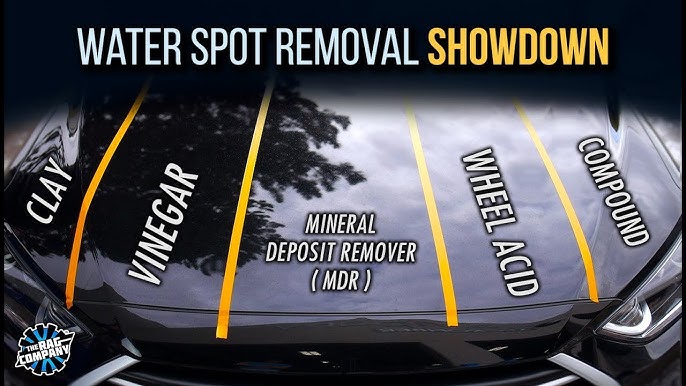
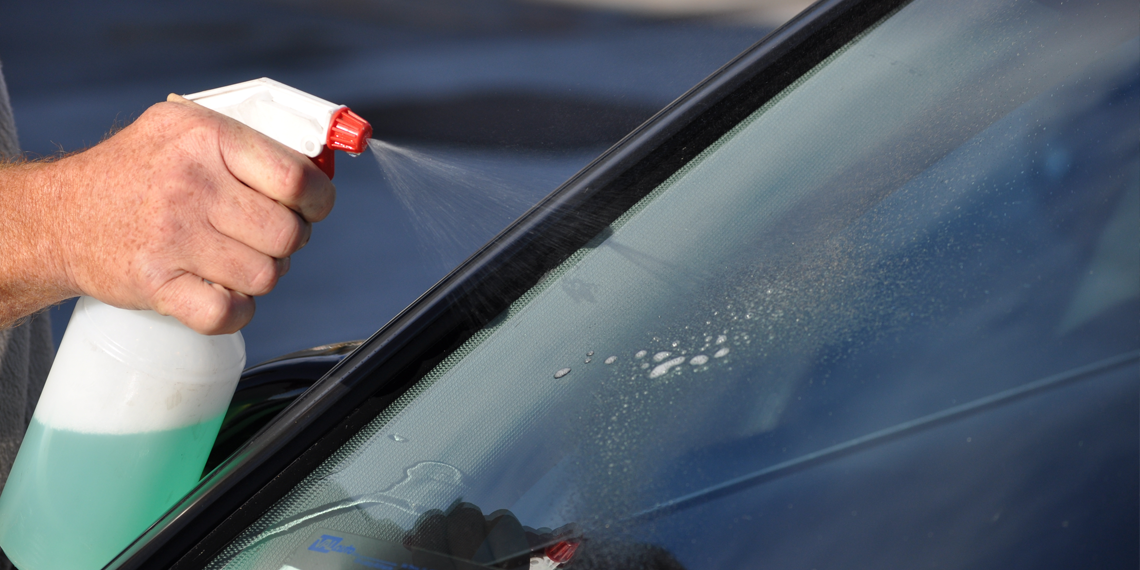
Vinegar is acidic and dissolves hard water minerals well. Mix equal parts of white vinegar and water in a spray bottle. Spray the solution generously over the windshield. Let it sit for five to ten minutes to work on the spots. Use a soft cloth or sponge to gently scrub the glass. Rinse with clean water and dry with a microfiber towel. Repeat if necessary for tough stains.
Applying Lemon Juice
Lemon juice contains natural acids that remove mineral buildup. Cut a lemon in half and rub it directly on the hard water spots. Allow the juice to sit on the glass for a few minutes. Wipe the windshield with a clean, damp cloth to remove residue. Dry the glass with a soft towel to prevent new spots. Lemon juice also leaves a fresh scent behind.
Baking Soda Paste Technique
Baking soda acts as a gentle abrasive to scrub away deposits. Mix baking soda with a small amount of water to form a thick paste. Apply the paste to the affected areas on the windshield. Use a soft cloth to rub the paste in circular motions. Rinse the glass thoroughly with water to remove all baking soda. Dry with a clean towel for a spotless finish.
Specialized Tools And Products
Removing hard water spots from your windshield requires more than just household items. Specialized tools and products make the process effective and safe for your glass. These items help break down mineral deposits without scratching or damaging the surface. Using the right tools ensures a clear, spotless finish that lasts longer.
Clay Bar Treatment
A clay bar gently removes stubborn hard water spots and contaminants. It works by picking up particles stuck on the glass surface. Use a lubricant spray to prevent scratching during the process. Glide the clay bar evenly over the windshield until the surface feels smooth. This treatment restores clarity and prepares the glass for further cleaning.
Commercial Hard Water Spot Removers
These removers are specially formulated to dissolve mineral deposits quickly. They contain mild acids that break down hard water stains without harming glass. Apply the product as instructed on the label, usually with a soft cloth. Let it sit for a few minutes to work effectively. Rinse the windshield thoroughly after use to avoid residue buildup.
Microfiber Towels For Application
Microfiber towels are soft and absorbent, ideal for applying cleaners and buffing the glass. They reduce the risk of scratches and streaks on your windshield. Use separate towels for applying product and drying to maintain cleanliness. Wash towels regularly to remove trapped dirt and keep them effective for future use.
Techniques For Stubborn Spots
Stubborn hard water spots on your windshield need special care. Simple wiping often does not remove tough stains. Using effective techniques improves cleaning results. Focused rubbing and polishing methods break down mineral deposits. Patience and the right approach restore clarity to your glass.
Circular Motion Rubbing
Apply your cleaning solution to the spot. Use a soft cloth or sponge for rubbing. Move in small circular motions gently. This method helps lift minerals evenly. Avoid harsh pressure to prevent scratches. Circular rubbing increases contact with the stain. Repeat until you see improvement in the spot.
Cross-hatch Pattern Polishing
After circular rubbing, try cross-hatch polishing. Move the cloth in horizontal strokes first. Then polish with vertical strokes over the same area. This pattern covers all directions of the stain. It breaks down tough spots more effectively. Use a microfiber cloth for best results. This technique smooths the glass surface well.
Allowing Solution Dwell Time
Spray or apply the cleaner generously on the spot. Let it sit without wiping for 5 to 10 minutes. The solution softens hard mineral deposits. This dwell time boosts cleaning power. Afterward, gently rub the area using your chosen method. Rinse with clean water and dry fully. Patience here makes stubborn spots easier to remove.
Safety And Protection Tips
Cleaning hard water spots from your windshield requires care to protect your vehicle. Safety and protection tips keep your glass and car parts safe. These tips help avoid damage during cleaning. Prepare properly before starting the cleaning process.
Avoiding Scratches
Use soft cloths or sponges to clean the glass. Avoid abrasive materials like rough brushes or steel wool. Always rinse the windshield before wiping to remove loose dirt. Light pressure helps prevent scratches on the glass surface.
Protecting Surrounding Trim
Cover rubber seals and plastic trim with painter’s tape. This stops cleaning solutions from damaging these parts. Clean carefully near the edges to avoid contact with trim. Wipe off any spills immediately to prevent staining.
Using Gloves And Eye Protection
Wear gloves to protect your skin from cleaning chemicals. Use eye protection like safety glasses to avoid splashes. These precautions reduce the risk of irritation or injury. Always handle cleaning products in a well-ventilated area.
Maintenance To Prevent Future Spots
Preventing hard water spots on your windshield is easier than removing them. Regular care keeps your glass clear and free from stubborn stains. Simple maintenance steps protect your windshield from mineral buildup. Follow these easy routines to keep your view spotless and safe.
Regular Washing Routine
Wash your windshield often to remove dirt and minerals. Use mild soap and water with a soft cloth or sponge. Avoid harsh chemicals that can damage the glass or car paint. Clean both inside and outside surfaces thoroughly. Regular washing stops mineral deposits from hardening on the glass.
Applying Water Repellent Coatings
Apply water repellent sprays or coatings to your windshield. These products cause water to bead and roll off quickly. They reduce water spots by preventing minerals from settling. Reapply the coating every few weeks for best results. Many coatings also improve visibility in rain and make cleaning easier.
Quick Drying After Rain Or Washing
Dry your windshield quickly after rain or washing. Use a clean microfiber towel for a streak-free finish. Standing water leads to hard water spots as it evaporates. Wiping dry removes water before minerals can settle. Quick drying helps maintain clear, spotless glass longer.
Conclusion
Removing hard water spots from your windshield is simple with the right steps. Use natural cleaners like vinegar or lemon juice for best results. Always scrub gently to protect the glass surface. Rinse and dry thoroughly to avoid streaks or residue.
Regular cleaning helps prevent future spots and keeps your windshield clear. Clean windshields improve your driving safety and overall car appearance. Try these easy methods to maintain a spotless windshield every time.