
Have you noticed those annoying scratches on your car windshield that blur your view and ruin your ride’s appearance? You’re not alone, and the good news is—most of these scratches can be fixed without expensive repairs or replacements.
Whether it’s a tiny scrape from a stray branch or a scratch from everyday wear, you can take simple steps to restore your windshield’s clarity. You’ll discover easy and effective ways to remove scratches from your car windshield using common household items and smart techniques.
Keep reading to learn how to bring back that crystal-clear view and drive with confidence again!
Tools And Materials Needed
Removing scratches from a car windshield requires specific tools and materials. Having the right items ensures better results and protects your glass. This section covers what you need before starting the repair process.
Choosing The Right Toothpaste
Use plain, white, non-gel toothpaste for light scratches. Avoid whitening or charcoal types, as they can be too harsh. Toothpaste acts as a mild abrasive to polish the glass surface gently. It removes tiny scratches by smoothing the area around them. Always pick a toothpaste without added colors or gels.
Alternative Polishing Compounds
Besides toothpaste, special glass polishing compounds work well. Cerium oxide is a popular choice for deeper scratches. These compounds are designed to polish glass safely and effectively. Use a polishing pad or soft cloth to apply them evenly. Check product instructions for best results and safety.
Safety Gear And Cleaning Supplies
Protect your eyes with safety goggles during polishing. Wear gloves to keep your hands safe from chemicals. Use a clean microfiber cloth for applying toothpaste or polish. Keep a spray bottle of water or glass cleaner nearby for rinsing. Clean the area thoroughly before starting to avoid further scratches.
Preparing The Windshield
Preparing the windshield is the first step to removing scratches effectively. A well-prepared surface ensures better results and prevents further damage. It involves cleaning, examining the scratch depth, and testing treatments on small areas.
Cleaning The Surface
Start by washing the windshield with soap and water. Use a soft cloth to remove dirt, dust, and debris. Dry the glass completely with a microfiber towel. A clean surface helps you see the scratches clearly and prevents dirt from causing more scratches during repair.
Inspecting Scratch Depth
Look closely at the scratches under good light. Light scratches usually sit on the surface and are easier to fix. Deep scratches may feel rough when you run your fingernail over them. Knowing the depth helps choose the right repair method. Deep scratches might need professional repair.
Testing Methods On Small Areas
Before applying any polish or compound, test it on a small, hidden spot. This avoids damage or discoloration on the whole windshield. Use a soft cloth and a tiny amount of product. Wait to see how the glass reacts. If the test works well, proceed to larger areas.
Using Toothpaste To Remove Scratches
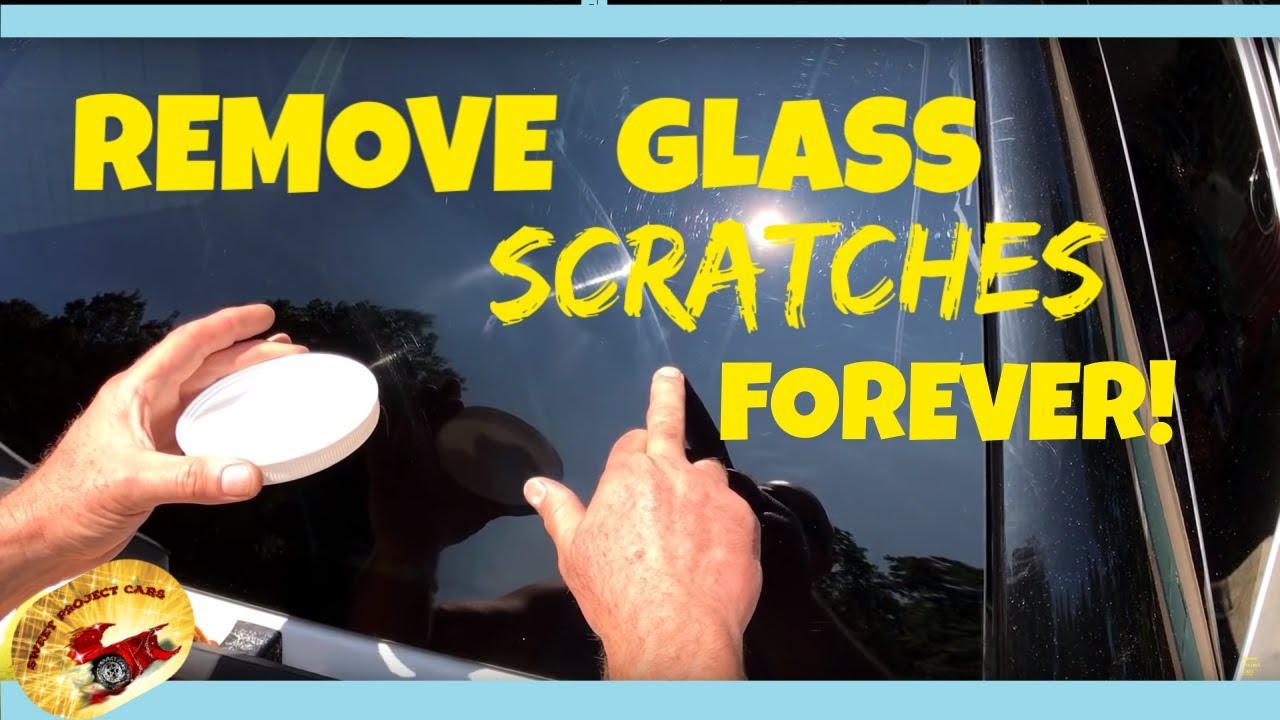
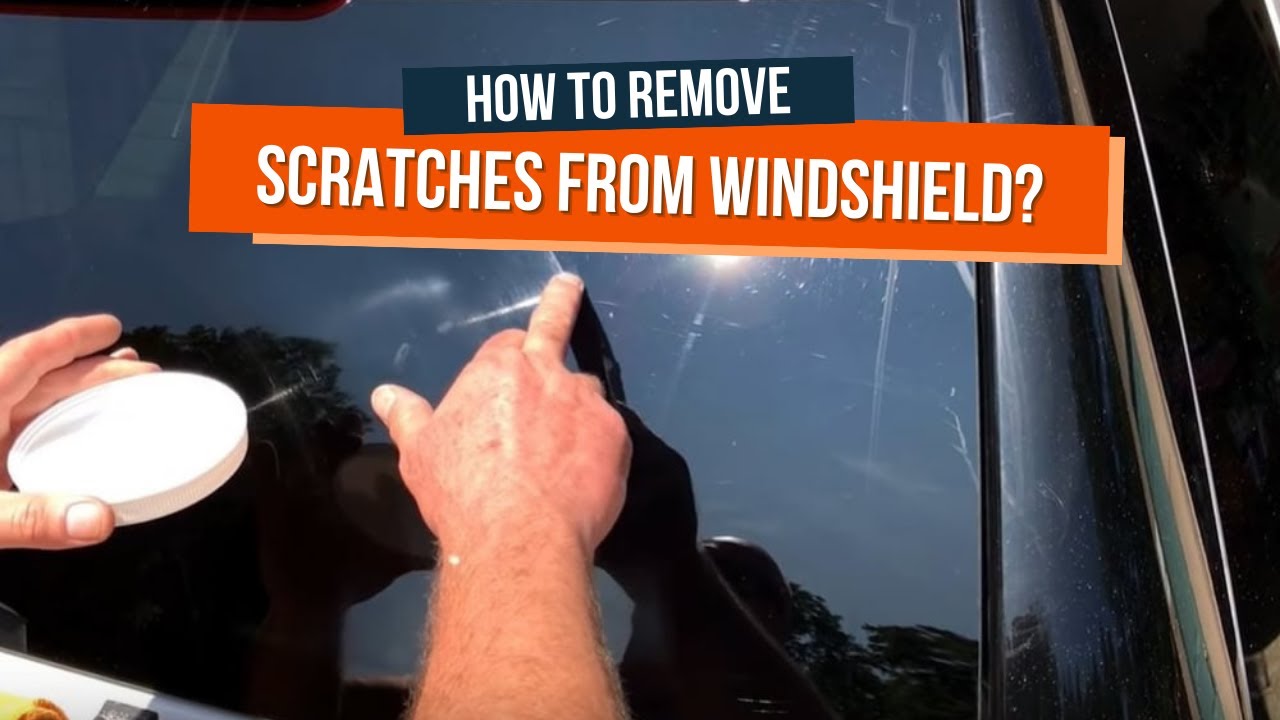
Using toothpaste to remove scratches from your car windshield is a simple and affordable method. Toothpaste contains mild abrasives that can smooth out light scratches on glass surfaces. This approach works best for very small, shallow scratches and does not require special tools.
Choose plain white toothpaste without gels or whitening agents. These additives can be too harsh and may cause more damage. A soft cloth or microfiber towel is needed to apply and buff the toothpaste gently.
Applying Toothpaste Correctly
Start by cleaning the scratched area with water and a clean cloth. Dry it completely before applying toothpaste. Put a small amount of toothpaste, about the size of a dime, on your soft cloth. Gently rub the toothpaste onto the scratch using small circular motions. Keep the pressure light to avoid damaging the glass.
Buffing The Scratch
Continue rubbing the toothpaste on the scratch for two to three minutes. Use consistent circular movements to polish the glass evenly. This process helps the abrasive particles in the toothpaste smooth the edges of the scratch. Avoid pressing too hard, as this can cause further damage or haziness on the glass.
Rinsing And Repeating
Rinse the treated area with clean water to remove all toothpaste residue. Dry the windshield with a clean microfiber towel. Check if the scratch has improved. For better results, repeat the process two or three times. If the scratch remains deep, toothpaste may not fix it, and professional repair is needed.
Other Diy Scratch Removal Methods
Removing scratches from your car windshield does not always require professional tools. Several DIY methods can help reduce or hide minor scratches. These techniques use common household items or affordable products. They are simple and cost-effective ways to improve your windshield’s look.
Baking Soda Paste
Baking soda can gently polish glass surfaces. Make a paste by mixing two parts baking soda with one part water. Apply the paste to the scratched area using a soft cloth. Rub in small circles for about 30 seconds. Wipe off the paste with a clean, damp cloth. Repeat if needed to reduce the scratch’s visibility.
Using T-cut Safely
T-Cut is a popular car scratch remover for paint but works on glass too. Use a small amount on a soft cloth and gently rub the scratch. Avoid pressing too hard to prevent more damage. Clean the area with water after rubbing. T-Cut helps by smoothing the edges of the scratch, making it less visible.
Cerium Oxide Polish
Cerium oxide is a glass polishing powder found in many DIY kits. Mix it with water to form a smooth paste. Apply the paste to the scratch with a felt pad or soft cloth. Buff the area in a circular motion for several minutes. This polish removes a thin layer of glass, reducing scratch depth. Clean the windshield afterward to see the result.
When To Seek Professional Help
Knowing when to seek professional help is important in windshield scratch repair. Minor scratches can often be fixed at home. But some damage needs expert care. Professionals have the tools and skills to restore your windshield safely and effectively. This prevents further damage and ensures clear vision while driving.
Deeper Scratches And Cracks
Deep scratches or cracks cannot be fixed with simple polishing. These damages affect the glass structure. Trying to repair them yourself may cause more harm. Professionals use special techniques to fill cracks and restore strength. They decide if the windshield needs replacement to keep you safe.
Avoiding Glass Hazing
Incorrect repair can cause hazing or cloudiness on the glass. This reduces visibility and can be dangerous. Professionals know how to polish without causing haze. They use the right materials and methods for a clear finish. Avoiding hazing keeps your windshield looking new and safe to drive.
Cost And Repair Options
Professional repair costs vary by damage size and type. Small scratch repairs are usually affordable. Larger cracks or deep damage may require windshield replacement. Experts can provide an honest estimate and suggest the best option. Investing in professional repair protects your car and your safety.
Preventing Future Scratches
Preventing scratches on your car windshield saves time and money. It keeps your view clear and driving safe. Taking simple steps helps avoid damage and extends the life of your glass. Small habits can make a big difference in windshield care.
Regular Cleaning Tips
Clean your windshield often to remove dirt and debris. Use a soft microfiber cloth to avoid scratches. Choose a gentle glass cleaner made for cars. Avoid harsh chemicals or abrasive materials. Wash your windshield in shade to prevent streaks. Dry the glass with a clean, soft towel. Regular cleaning stops particles from scratching the surface.
Protective Films And Coatings
Apply a protective film to shield your windshield from scratches. These films add a tough, clear layer on the glass. Some coatings repel water and dirt, improving visibility. They also reduce wear caused by wipers and road debris. Choose products designed for auto glass protection. Apply them carefully or get professional help. Protective layers keep your windshield looking new longer.
Safe Driving Practices
Drive carefully to avoid flying rocks and debris. Keep a safe distance from other vehicles on highways. Avoid gravel roads or rough surfaces when possible. Slow down in construction zones to reduce damage risk. Be cautious when parking near trees or bushes. Safe driving habits reduce the chance of windshield scratches. Protect your glass by staying alert on the road.
Conclusion
Removing scratches from your car windshield takes patience and the right method. Light scratches can often improve with simple household items like toothpaste. Always clean the glass well before starting any treatment. For deeper scratches, consider professional help to avoid damage.
Regular care helps keep your windshield clear and safe. Try gentle polishing first and see the difference it makes. Clear visibility matters for your safety on the road. Small steps can restore your windshield’s look effectively. Keep your car windshield scratch-free for better driving experience.