
Have you ever wondered if you can defrost your windshield using cold air instead of heat? When frost or fog covers your windshield on a chilly morning, your first instinct might be to crank up the heat.
But is that really the best way to clear your view quickly and safely? Understanding how your car’s defrost system works can save you time and frustration, keeping you safe on the road. You’ll discover whether cold air can actually help defrost your windshield, why warm and dry air usually does the trick faster, and simple tips to get your glass clear without waiting forever.
Keep reading to learn how to make your windshield defrost efficiently—so you can get on with your day without the chill or the fog slowing you down.
Cold Air And Windshield Frost
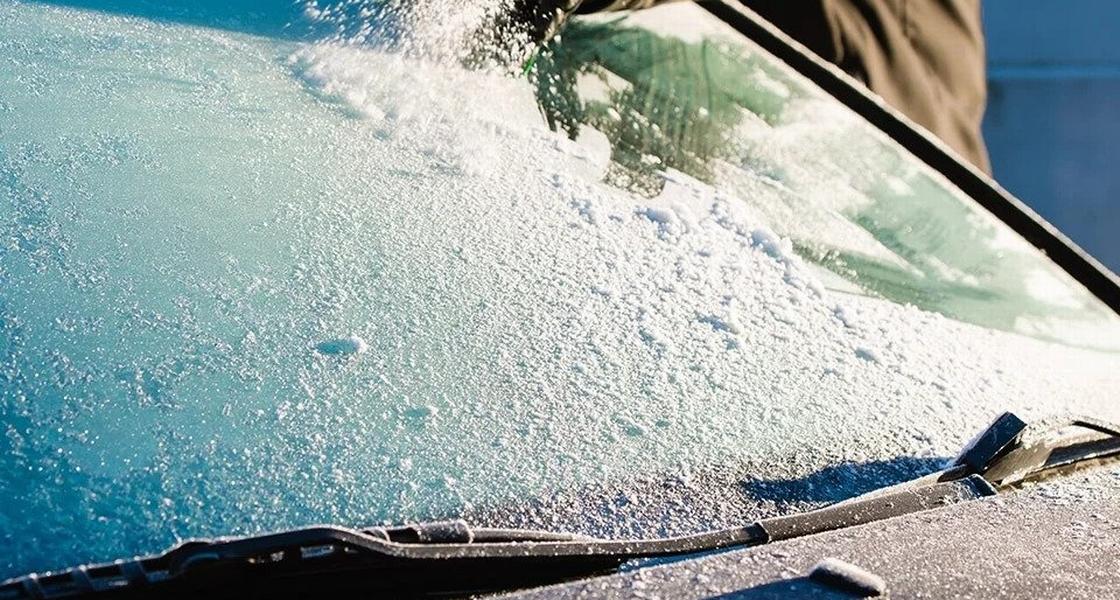
Frost on the windshield can be a big problem during cold mornings. It blocks your view and makes driving unsafe. Many wonder if cold air can help remove this frost. Understanding the role of cold air in dealing with windshield frost is key to finding the best solution.
How Cold Air Affects Frost
Cold air does not melt frost on the windshield. Frost forms when moisture freezes on the glass surface. Cold air keeps the temperature low, so frost stays frozen. It may blow away loose frost particles, but it cannot remove solid ice. Using cold air alone will not clear the windshield quickly. The frost remains because the glass stays below freezing point.
Limitations Of Using Cold Air
Cold air cannot warm the windshield to melt frost. It may make the problem worse by keeping the glass cold. Windshield heaters or warm air are needed to change frost into water. Cold air can cause fog inside the car, reducing visibility. The defroster works best with warm air that heats the glass. Using cold air wastes time and may be unsafe if you drive with frost on the windshield.
Why Warm Air Works Better
Warm air defrosts windshields more effectively than cold air. It speeds up the melting of ice and reduces fog buildup. Warm air holds more moisture, which helps clear the glass quickly. Cold air lacks this ability, so it struggles to remove frost and fog.
Moisture Absorption By Warm Air
Warm air absorbs moisture better than cold air. It draws humidity away from the glass surface. This process prevents fog and frost from forming. Cold air cannot hold much moisture, so it leaves the glass wet. Wet glass means more fog and slower defrosting.
Role Of Air Conditioning In Dehumidifying
Air conditioning removes moisture from the air inside your car. It works even when you use warm air for defrosting. Dry air from the AC stops condensation on the windshield. This helps keep your glass clear and improves visibility.
Benefits Of Warm, Dry Air
Warm, dry air melts ice quickly and clears fog fast. It prevents water droplets from forming on the glass. This combination improves safety by giving a clear view. Using warm air with AC provides the best defrosting results.
Effective Defrosting Techniques
Defrosting a windshield quickly and safely ensures better driving visibility. Effective defrosting techniques use your car’s climate controls smartly. These methods clear ice and fog without causing damage or delay. Understanding how to use your vehicle’s features helps speed up the process.
Using Defrost Button Correctly
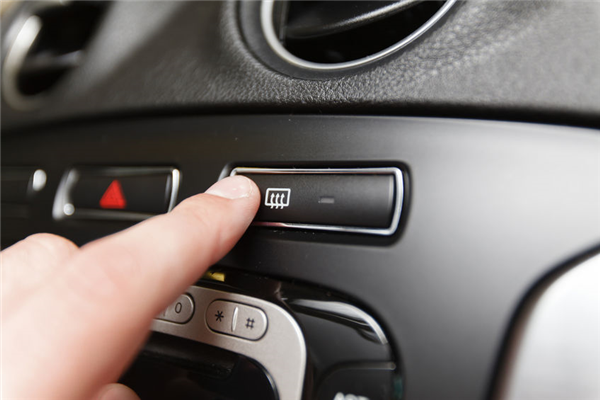
The defrost button directs air to the windshield. Turn it on high for faster clearing. This setting warms the glass and melts ice. Avoid using just cold air as it slows defrosting. Always combine heat with airflow for best results.
Combining Heat And Air Conditioning
Heat melts ice while air conditioning removes moisture. Turn on heat to warm the windshield first. Then switch on air conditioning to dry the air inside. This combination prevents fog from forming on the glass. It keeps the windshield clear and safe.
Avoiding Air Recirculation
Turn off air recirculation mode during defrosting. Fresh outside air reduces humidity inside the car. High humidity causes fog to build on the windshield. Using outside air helps clear moisture quickly. This step is essential for effective defrosting.
Using Windshield Wipers Strategically
Use windshield wipers to clear melting ice and water. Turn them on once ice starts to soften. Wipers help remove water before it refreezes. Avoid running wipers on thick ice to prevent damage. Use them carefully for better visibility.
Manual Defrosting Alternatives
Manual defrosting alternatives help clear your windshield without relying on your car’s heating system. These methods work well when heat is unavailable or slow to act. They can save time and keep your view clear and safe during cold mornings.
Ice Scrapers And Plastic Cards
Ice scrapers are simple tools made for removing frost and ice from glass. They work by scraping the ice away in small sections. A plastic card, like an old credit card, can also do the job if you do not have a scraper. Use firm but gentle pressure to avoid scratching the glass. These tools are effective and easy to carry in your glove box.
Homemade De-icer Sprays
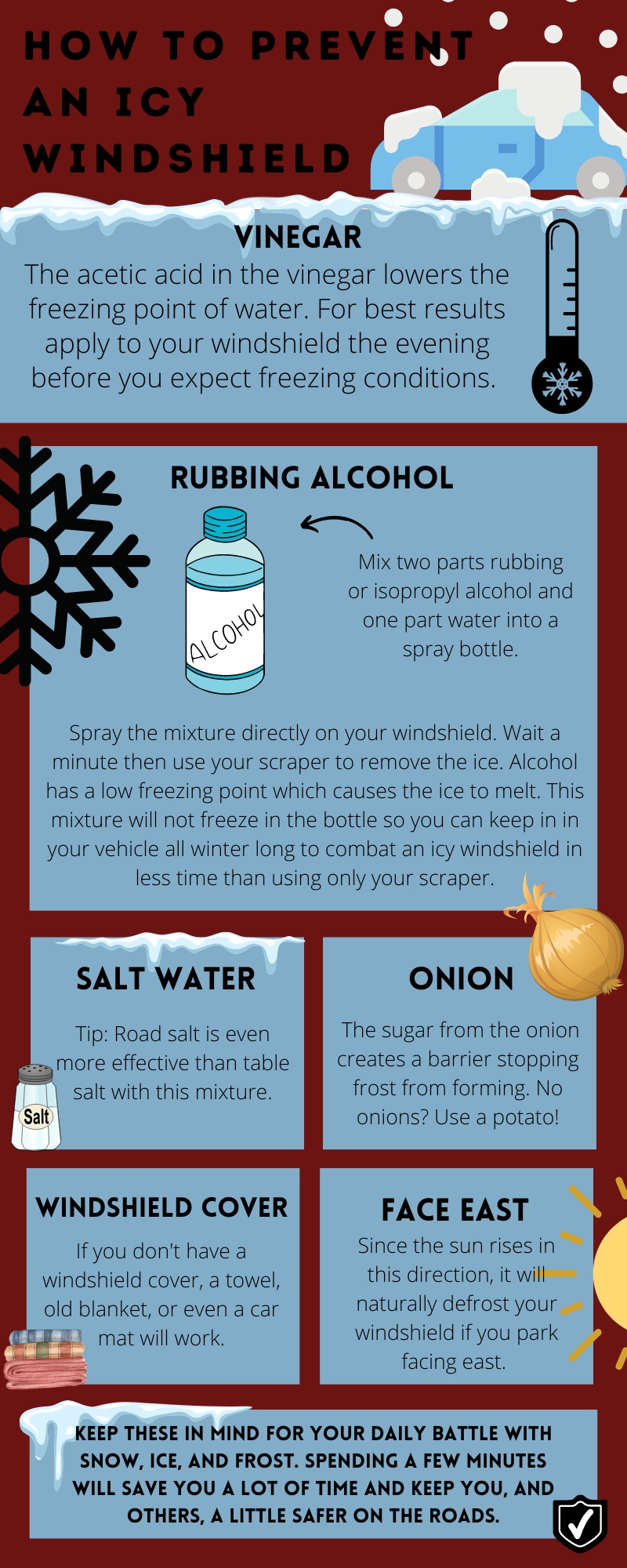
Homemade de-icer sprays melt ice quickly without harming your windshield. Mix water with rubbing alcohol or vinegar to create a simple spray. Spray the solution on your frozen windshield and wait a few minutes. The ice will soften and become easier to remove with a scraper or cloth. This method is budget-friendly and uses items you likely have at home.
Common Mistakes To Avoid
Defrosting your windshield can be tricky, especially in cold weather. Many drivers make simple mistakes that slow down the process or even harm the glass. Avoiding these errors helps clear your view faster and keeps your car safe. Here are common mistakes to watch out for.
Using Extremely Hot Air
Blasting your windshield with very hot air may seem quick. The glass can crack due to sudden temperature changes. Hot air can also cause fog inside the car by increasing moisture. Start with warm air and raise the temperature gradually. This protects your windshield and clears frost safely.
Relying Solely On Cold Air
Cold air alone cannot melt ice or frost effectively. It may cool the glass further, making defrosting take longer. Use cold air only after the frost starts to melt with warm air. This helps reduce fogging inside while keeping your windshield clear. Combining temperatures works best.
Tips For Faster Defrosting
Defrosting your windshield quickly keeps your drive safe and stress-free. Use smart methods to clear ice and fog faster. Simple steps can save time and improve visibility.
Below are tips to help speed up defrosting using heat and cold air effectively.
Starting With Heat Then Switching To Cold
Begin by turning on the heat to warm the windshield. Warm air melts ice and clears fog quickly. Run the defroster at high fan speed for a few minutes. After the glass clears, switch to cold air. Cold air reduces moisture inside the car. This stops fog from forming again. Using heat then cold speeds defrosting and keeps visibility clear.
Maintaining Clear Visibility
Keep your windshield wipers on to remove water and melted ice. Use the defroster regularly while driving. Avoid recirculating air inside the car; fresh air helps remove moisture. Clean your windshield often to prevent buildup. Proper ventilation inside the car reduces fog quickly. These habits maintain clear vision during cold weather drives.
Conclusion
Defrosting your windshield with cold air alone takes much longer. Warm air helps melt ice and clears fog quickly. Use your car’s heater and defroster first for best results. Once clear, switch to cold air to keep windows fog-free. Remember to turn off air recirculation for fresh air.
Scraping ice manually also speeds up the process. Safe driving starts with a clear windshield every time.