
Have you ever wondered if your back windshield could just shatter out of nowhere? Imagine sitting in your car, only to hear a sudden crack and see your rear window break without any obvious cause.
It sounds strange, but yes—your back windshield can break on its own. Understanding why this happens can save you from surprise costs and safety risks. You’ll discover the surprising reasons behind spontaneous back windshield breakage and what you can do to prevent it.
Keep reading to protect your car and peace of mind.

Spontaneous Back Windshield Breakage
Spontaneous back windshield breakage can seem sudden and confusing. The glass may shatter without clear impact or warning. This phenomenon occurs more often than many expect. Understanding why helps drivers stay alert and prepared.
Back windshields are made of tempered glass. This glass is strong but designed to shatter into small pieces upon breaking. Tempered glass can break on its own due to internal stresses or external factors. These factors weaken the glass over time, increasing the chance of sudden breakage.
Internal Stress And Manufacturing Defects
Tempered glass holds tension inside from the heating and cooling process during manufacture. Sometimes, tiny defects or impurities in the glass create weak points. These weak spots can cause sudden cracks that spread quickly. Internal stress builds until the glass breaks without any outside force.
Temperature Changes And Thermal Stress
Rapid temperature shifts affect the glass structure. Hot sun followed by a cold rain or frost can cause expansion and contraction. This thermal stress can crack the glass from inside. Over time, repeated temperature swings make breakage more likely.
Impact From Small Objects Or Debris
Small stones or road debris can hit the back windshield unnoticed. Even tiny impacts can weaken the glass at vulnerable spots. Damage near the edges is especially risky. This damage may not be visible until the glass suddenly shatters later.
Wear And Tear Over Time
Older windshields develop micro cracks and chips from normal use. Vibrations from driving add to the stress. These tiny imperfections grow slowly. Eventually, they cause the glass to break without any direct hit or accident.
Tempered Glass Features
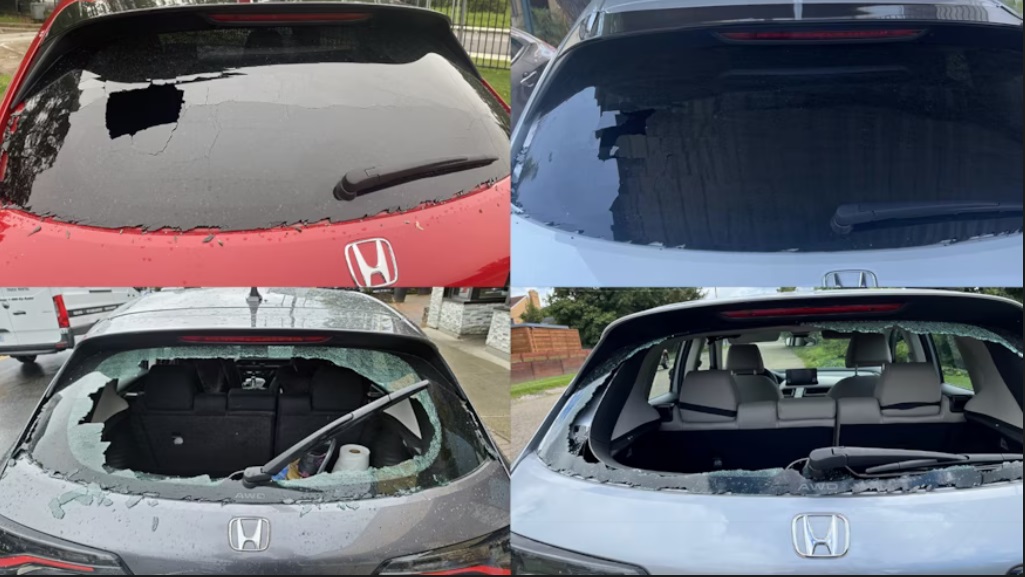
Tempered glass is a special type of glass used in back windshields. It has unique features that make it strong and safe. Understanding these features helps explain why a back windshield might break on its own.
What Is Tempered Glass?
Tempered glass is heated to high temperatures then cooled quickly. This process makes it stronger than regular glass. It can handle sudden impacts and temperature changes better.
How Tempered Glass Breaks
Tempered glass does not crack like normal glass. Instead, it shatters into small, blunt pieces. This reduces the chance of serious injury. The glass breaks completely when it reaches a certain stress point.
Stress Factors Affecting Tempered Glass
Stress comes from impacts, heat changes, or small hidden cracks. Even tiny flaws can cause the glass to break suddenly. Temperature shifts can create tension inside the glass.
Edge Weakness In Tempered Glass
The edges of tempered glass are weaker than the center. Damage or chips near the edge increase break risk. This is a common place for cracks to start.
Common Causes Of Breakage
Back windshields can break without direct impact. Understanding common causes helps prevent sudden breakage. Several factors stress the glass until it finally shatters. These causes range from natural forces to human errors during installation. Knowing them can aid in proper care and timely repairs.
Thermal Stress
Rapid changes in temperature strain the glass. Hot sunlight followed by cold rain creates expansion and contraction. This stress weakens the windshield over time. Extreme heat or cold can cause tiny cracks to grow. Eventually, these cracks lead to spontaneous breakage.
Manufacturing Flaws
Not all glass is perfect from the start. Small bubbles or impurities inside the glass create weak spots. These flaws reduce the glass strength. Over time, vibrations and stress cause these flaws to turn into cracks. A weak windshield may break without warning.
Minor Edge Damage
Edges of the back windshield are more fragile. Small chips or scratches near the edges are dangerous. These minor damages may seem harmless at first. But they create stress points that grow under pressure. Such damage can cause the glass to shatter on its own.
Improper Installation
Incorrect fitting puts uneven pressure on the glass. Too much force or wrong sealing weakens the windshield. Over time, this stress causes cracks to form. Poor installation raises the risk of spontaneous breakage. Always ensure professional and proper fitting.
Impact Vs. Internal Stress
Understanding why a back windshield breaks involves two main causes: impact and internal stress. Impact means an outside force hits the glass. Internal stress comes from the glass itself, like flaws or pressure inside. Both can cause the glass to crack or shatter. Let’s explore how force, impact size, and weak edges affect the glass.
Force Required To Break Glass
Tempered glass used in back windshields is very strong. It needs a sharp, strong force to break. A slow or gentle push usually won’t cause damage. The force must be enough to overcome the glass’s internal strength. This is why small, fast hits like stones cause more damage than slow impacts.
Effect Of Small Vs. Large Impacts
Small impacts focus force on a tiny spot. This creates high pressure, which can crack or shatter the glass. Large impacts spread the force over a wider area. This lowers pressure and may not break the glass easily. Even a tiny rock can cause a chip or crack if it hits just right.
Edge Weakness In Glass
The edges of the glass are weaker than the center. Stress gathers more at edges, making them vulnerable. Impacts near the edge need less force to cause cracks. Internal stress often starts at these weak edges. This is why chips or cracks near edges can spread quickly and cause the glass to break.
Role Of Temperature Changes
Rapid temperature shifts can create stress in tempered rear windshields, causing cracks or breaks. Glass expands and contracts unevenly, especially near edges or existing flaws. Such stress may lead to spontaneous shattering without any direct impact.
Temperature changes play a big role in the strength of a back windshield. Glass expands when heated and contracts when cooled. This constant movement can create stress inside the glass.
Rapid shifts, like going from cold to hot quickly, increase this stress. The glass may develop tiny cracks or weak spots over time. These weak spots can grow and cause the glass to break without any impact.
How Heat Affects Tempered Glass
Tempered glass is strong but sensitive to heat. It is made by heating and then cooling glass quickly. This process makes the glass tougher but also more likely to shatter from sudden temperature changes.
If one part of the glass heats up faster than another, uneven pressure forms. This can cause the glass to break or shatter on its own. Sunlight hitting one area strongly while the rest stays cool is a common cause.
Cold Weather And Glass Contraction
Cold weather causes glass to shrink or contract. If the back windshield cools down too fast, cracks can appear. These cracks can spread and cause the glass to break.
Frost or ice buildup makes the glass surface uneven. When the ice melts, the stress on the glass changes quickly. This sudden change can cause weak areas to break.
Temperature Fluctuations And Pre-existing Damage
Small chips or cracks from stones or debris weaken the glass. Temperature changes make these weak points worse. Heat makes cracks grow larger. Cold makes the glass more brittle.
Over time, this can cause the back windshield to shatter on its own. Regular checks for damage help prevent sudden breakage. Fix small cracks before temperature changes make them worse.
Signs Of Potential Breakage
Back windshields can sometimes break without a clear cause. Recognizing early signs helps prevent sudden shattering. Small issues often warn of bigger problems.
Check the glass regularly for changes. Noticing these signs early allows timely repair or replacement.
Visible Cracks And Chips
Small cracks or chips weaken the glass structure. They can grow from stress or temperature changes. Even tiny damage reduces the strength of the windshield.
Unusual Noises
Listen for popping or creaking sounds near the glass. These noises suggest the glass is under stress. Pressure changes or vibrations may cause these sounds.
Glass Discoloration Or Fogging
Cloudy or discolored spots can indicate internal damage. Moisture trapped inside the glass layers may cause fogging. This affects the glass integrity over time.
Loose Or Shifting Glass
Glass that feels loose or moves slightly is a warning. The seal around the glass might be failing. This can lead to sudden breakage in rough conditions.
Stress Marks Near Edges
Edges are the weakest points of the glass. Look for stress marks or small cracks near edges. These spots are more likely to cause a full break.
Repair And Replacement Costs
Repair and replacement costs for a broken back windshield vary widely. Factors like the car make, glass type, and damage severity affect the price. Knowing these costs helps you plan your budget and avoid surprises.
Back windshields are usually made of tempered glass. This glass type shatters into small pieces on impact. Repairing small chips or cracks is cheaper but limited. Replacement becomes necessary if the damage is severe or covers a large area.
Cost Of Repairing Small Chips And Cracks
Repairing minor chips or cracks often costs between $50 and $150. The size, location, and depth of the damage influence the price. Quick repairs prevent the crack from spreading and keep costs low.
Replacement Costs For Back Windshields
Replacing a back windshield usually costs between $200 and $450. Luxury or rare car models may have higher prices. Labor charges and glass quality also affect the final cost.
Insurance Coverage And Out-of-pocket Expenses
Many insurance plans cover windshield repair or replacement. Deductibles and policy limits vary. Check with your insurer to understand your coverage and potential out-of-pocket costs.
Preventive Measures
Taking steps to protect your back windshield helps avoid sudden breaks. Preventive measures keep small issues from turning into big problems. Regular care improves safety and saves money.
Simple habits can reduce the risk of windshield damage. Early attention to cracks and proper handling matter most.
Regular Inspection And Maintenance
Check the back windshield often for chips or cracks. Small damages can grow quickly if ignored. Clean the glass gently to avoid scratches. Use soft cloths and proper cleaners. Regular checks catch problems early.
Avoid Extreme Temperature Changes
Rapid heating or cooling stresses tempered glass. Park in shaded or covered areas to limit sun exposure. Do not pour hot water on frozen glass. Let ice melt naturally or use a scraper carefully. Temperature shifts cause glass to expand and contract, leading to cracks.
Careful Driving And Parking Habits
Drive carefully on rough roads to reduce vibrations. Avoid following large trucks closely to prevent rock impacts. Park away from construction zones or areas with falling debris. Choose safe spots to lower risks of accidental damage.
Use Protective Window Films
Apply a clear protective film on the back windshield. Films add a layer of strength and help hold glass together. They reduce the chance of shattering from minor impacts. Professional installation ensures proper fit and durability.
Prompt Repairs For Minor Damage
Fix small cracks or chips immediately. Repair kits or professional services can stop damage from worsening. Untreated cracks grow and increase breakage risk. Early repair saves time and money.
Conclusion
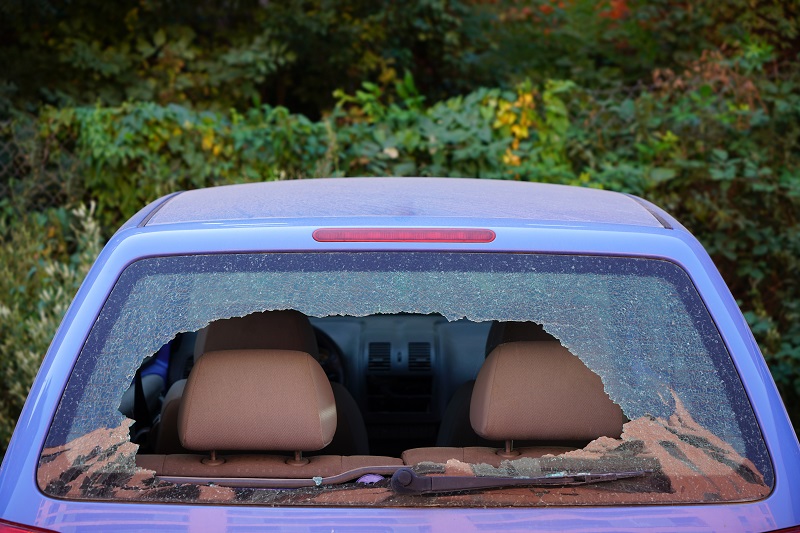
Back windshields rarely break on their own without cause. Small cracks, rapid temperature changes, or stress can lead to sudden shattering. Damages often start unnoticed and worsen over time. Regular checks help catch problems early and keep you safe. Taking care of minor chips prevents bigger issues later.
Remember, a strong windshield protects you on the road. Stay alert and fix any damage quickly. Your safety depends on it.