
Have you ever wondered if your car’s windshield can stop a bullet? It’s a question that sparks curiosity and concern, especially when safety is on your mind.
While your windshield may seem tough, is it really bulletproof? Understanding the truth behind windshield strength can change how you think about vehicle safety. You’ll discover what makes some windshields resistant to bullets and why most standard ones aren’t designed for that kind of protection.
Keep reading to learn what you need to know about bulletproof windshields and how they differ from everyday glass.
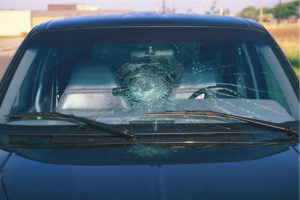
Bulletproof Glass Basics
Bulletproof glass is not just regular glass. It is made to stop bullets and protect people inside vehicles or buildings.
This special glass combines layers of materials to absorb and spread the bullet’s energy. It does not shatter like normal glass.
Understanding how bulletproof glass works helps to know its uses and limits.
Materials Used
Bulletproof glass is made from layers of glass and plastic. These layers include tough glass sheets and strong polymers like polycarbonate.
The glass layers are hard and resist penetration. The plastic layers are flexible and absorb impact energy.
These materials work together to stop bullets and keep the glass from breaking apart.
How It Works
When a bullet hits bulletproof glass, the glass layer slows it down. The plastic layer then absorbs the remaining energy.
The multiple layers spread the force of the bullet over a wider area. This prevents the bullet from passing through.
The glass may crack but stays in place, protecting what is behind it.
Common Applications
Bulletproof glass is used in armored cars, banks, and government buildings. It protects people from gunfire in dangerous situations.
Police vehicles often have bulletproof windshields and windows for officer safety.
Some homes and businesses use bulletproof glass in windows for added security.

Standard Windshield Composition
Understanding what makes up a standard windshield helps explain its strength. Windshields are not just plain glass. They are carefully designed layers that protect passengers. The main goal is safety and durability.
Each part of the windshield plays a special role. From the glass type to the way it is put together, every detail matters. Let’s explore the core components of a standard windshield.
Laminated Glass Structure
The windshield uses laminated glass for better protection. It has two layers of glass with a plastic layer in between. This plastic layer holds the glass together if it breaks. This stops the glass from shattering into sharp pieces. It also helps the windshield flex under pressure.
This design makes the windshield stronger than regular glass. It can absorb impacts and stay mostly intact. The plastic layer acts like a glue, keeping everything in place after a hit.
Tempered Glass In Side And Rear Windows
Side and rear windows use tempered glass. This glass is heated and cooled quickly to make it strong. It is much harder to break than normal glass. But if it does break, it shatters into tiny, less dangerous pieces.
This reduces the risk of injury from sharp glass. Tempered glass is not laminated, so it does not hold together like the windshield. It is designed for safety and quick exit in emergencies.
Safety Features
Windshields have safety features built into their design. The laminated glass helps keep passengers inside during accidents. It also protects from flying debris and harsh weather.
Both laminated and tempered glass improve visibility by reducing glare and distortion. Windshields are tested to meet strict safety standards. These features ensure the glass performs well under stress.
Standard windshields are not bulletproof but offer strong protection. They help save lives by preventing total glass breakage and reducing injury risks.
Resistance To Bullets And Impacts
Windshields face many threats daily, including impacts from debris and potential bullets. Understanding their resistance to bullets and impacts helps clarify if they can truly stop such forces. This section breaks down how bullets affect glass, the force needed to break windshields, and the factors that influence glass strength.
How Bullets Interact With Glass
When a bullet hits glass, it transfers a lot of energy in a tiny spot. This causes cracks and sometimes shatters the glass. Regular windshields are made of laminated glass, which holds together even after cracking. Bullets can penetrate normal windshields easily because the glass is not designed to stop them. Special bullet-resistant glass uses layers to absorb and slow down the bullet, preventing it from passing through.
Force Required To Break Windshields
Breaking a windshield needs a strong, focused force. Laminated windshields resist shattering by bending under pressure. A small, fast object, like a rock, can cause cracks with less force than a slow, blunt impact. Tempered glass, found in side and rear windows, breaks into tiny pieces with less force but is very strong otherwise. The force to break a windshield depends on where and how hard it is hit.
Factors Affecting Glass Strength
Several factors change how strong a windshield is. The type of glass matters most—laminated glass bends and stays intact, while tempered glass breaks easily but into small pieces. The impact location is important; edges are weaker than the center. Temperature and existing damage also affect strength. Cold or hot weather can make glass more brittle. Small chips or cracks weaken the glass and reduce its resistance to impacts.
Bulletproof Windshields In Law Enforcement
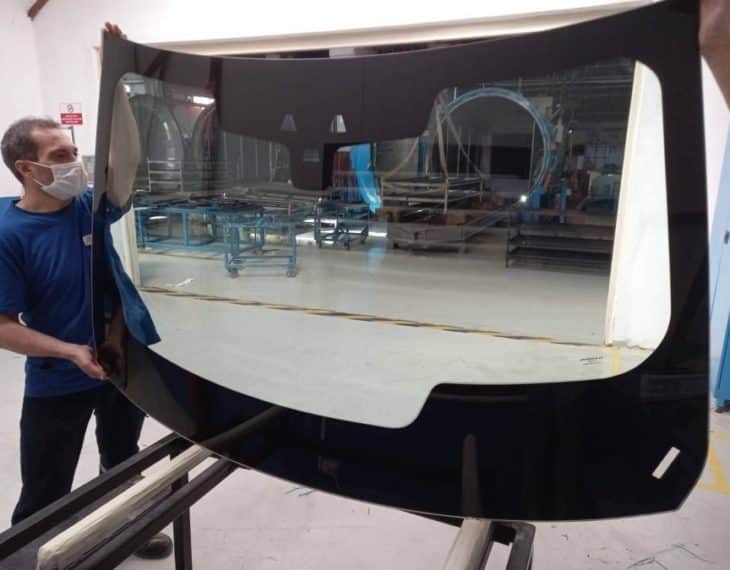
Bulletproof windshields play a vital role in law enforcement vehicles. They protect officers during dangerous situations. These windshields are designed to resist bullets and other high-impact threats. Their presence increases the safety of police officers on the front lines. Understanding the materials and challenges behind these windshields sheds light on their importance.
Specialized Glass Types
Law enforcement windshields use multiple layers of glass and plastic. These layers absorb and disperse the energy from bullets. Common materials include laminated glass combined with polycarbonate sheets. This combination prevents glass from shattering upon impact. Some windshields also have a thin film that holds the glass together. The thickness and type depend on the required protection level.
Installation Challenges
Installing bulletproof windshields is more complex than standard glass. The weight of the glass is heavier, needing stronger vehicle support. Technicians must ensure perfect sealing to maintain durability. Improper installation can reduce the windshield’s protective ability. Modifications to the vehicle frame are often necessary. These challenges require skilled professionals and special tools.
Cost Considerations
Bulletproof windshields are significantly more expensive than regular ones. The cost rises with the level of ballistic protection. Manufacturing and installation also add to the total expense. Law enforcement agencies must budget carefully for these upgrades. Despite the cost, the increased safety justifies the investment. Protecting lives remains the top priority.
Limitations Of Bulletproof Windshields
Bulletproof windshields offer enhanced protection but come with notable limitations. These glass panels are thick and strong but affect vehicle performance and user experience. Understanding these drawbacks helps set realistic expectations about their use and effectiveness.
Weight And Handling Issues
Bulletproof windshields are much heavier than regular glass. This added weight can affect a car’s balance and handling. It puts more strain on the suspension and brakes. Drivers may notice slower acceleration and reduced fuel efficiency. Installing this glass may require vehicle adjustments to maintain safety and performance.
Visibility And Maintenance
Thicker layers of bulletproof glass can reduce visibility. The glass may have slight distortions or a greenish tint. Dirt, scratches, and fogging are harder to clean and fix. Repairing bulletproof windshields is costly and requires special materials. Regular maintenance demands more care than standard windshields.
Legal And Practical Concerns
Not all regions allow bulletproof windshields on private vehicles. Laws vary about glass thickness and vehicle modifications. Bulletproof glass can make emergency exits difficult in accidents. It may block some signals like GPS or radio waves. These factors limit its practical use to specific vehicles and situations.
Alternatives And Enhancements
Standard windshields are not bulletproof but can be improved for extra protection. Various alternatives and enhancements exist to increase safety against impacts and threats. These options range from simple protective films to fully armored vehicles. Technology continues to evolve, offering new solutions for stronger, safer glass.
Protective Films
Protective films add a clear layer to windshields to improve resistance. They help hold glass fragments together during impacts. This reduces the chance of shattering and protects passengers from flying shards. While not bulletproof, these films provide added security against small threats like stones or debris.
Armored Vehicle Options
Armored vehicles use special glass designed to stop bullets and withstand blasts. This glass is thicker and layered with strong materials like polycarbonate. These windshields are much heavier and costlier than regular glass. They are common in security, military, and VIP transport to protect occupants from gunfire and attacks.
Future Innovations
New materials and designs are under development to improve windshield strength. Scientists explore ultra-strong glass composites and smart materials that adapt to impact. Advances in nanotechnology could lead to lighter, stronger bullet-resistant glass. These innovations aim to balance protection, clarity, and weight for safer vehicles in the future.
Conclusion
Windshields are not fully bulletproof but offer some resistance. They use layered glass to prevent shattering instantly. Most windshields bend and crack instead of breaking completely. Special bullet-resistant glass exists for security vehicles. Regular windshields can slow down small projectiles but won’t stop bullets.
Understanding this helps set realistic safety expectations. Always consider proper protection for high-risk situations. Safety depends on glass type and impact force. Stay informed to make better decisions about vehicle security.