
You wake up to a freezing Austin morning, rush outside, and find your windshield completely frozen solid. In a hurry, you might wonder: can you just pour boiling water on that icy windshield to clear it fast?
It sounds like a quick fix, right? But before you grab that kettle, you need to know what really happens when hot water meets frozen glass. Could it damage your windshield or actually help you get on the road sooner?
Keep reading to discover the surprising truth and smart alternatives that will save you time and money this winter.

Risks Of Boiling Water
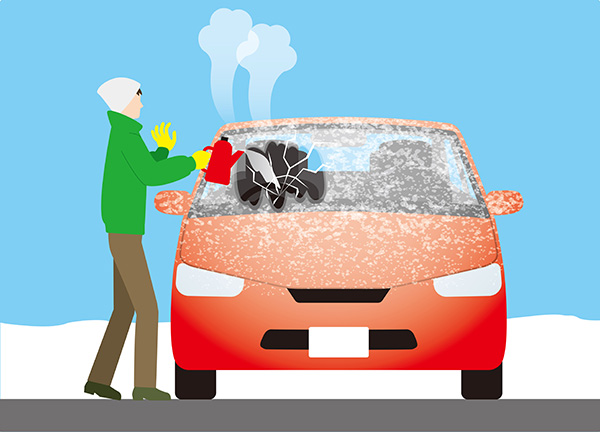
Pouring boiling water on a frozen windshield may seem like a quick fix. It melts ice fast. But it carries serious risks. The extreme heat can damage the glass. Your windshield is not designed to handle sudden temperature changes. Using boiling water can lead to cracks that weaken the glass. These cracks may spread and cause costly repairs. Understanding why this happens helps you avoid damage.
Using safer methods to defrost your windshield protects your vehicle. Avoid shortcuts that cause more harm than good. Let’s explore how boiling water affects your windshield at a deeper level.
Glass Cracking Explained
Windshields are made from tempered glass. This glass is strong but sensitive to rapid changes. When boiling water hits frozen glass, the heat causes uneven expansion. Parts of the glass expand quickly while others stay cold. This uneven stretching creates stress inside the glass. The stress can cause tiny cracks to form. These cracks grow over time and may shatter the windshield. Even small cracks reduce safety and visibility.
Why Temperature Shock Occurs
Temperature shock happens when glass moves between extremes fast. The frozen windshield is very cold. Pouring boiling water heats it suddenly. Glass cannot adjust instantly to this change. The sudden heat makes some areas expand while others remain cold. This tension breaks the glass structure. Temperature shock is the main reason windshields crack from hot water. Slow and steady heating avoids this damage.
Safe Alternatives To Boiling Water
Boiling water on a frozen windshield can cause cracks and damage. Safer methods exist to clear ice without risking your glass. These alternatives protect your windshield and make winter mornings easier.
Using Warm Water Safely
Use warm water, not hot, to melt ice gently. Pour it slowly and avoid splashing. Hot water can cause the glass to crack from sudden temperature change. Warm water softens the ice without harming the windshield. After pouring, use a plastic scraper to remove loosened ice.
Diy De-icer Sprays
Mix rubbing alcohol and water to create a simple de-icer. Spray it on your windshield to melt ice fast. Alcohol lowers the freezing point and breaks ice bonds. Store the spray in a spray bottle for quick use. This method is safe and easy to apply anytime.
Pre-treating Your Windshield
Apply a de-icer solution the night before to prevent ice. This saves time and effort in the morning. Use a mixture of water and rubbing alcohol or commercial products. Spray evenly over the windshield surface. Pre-treatment reduces ice buildup and protects the glass.
Effective Defrosting Techniques
Effective defrosting techniques help clear frozen windshields safely and quickly. Using the right methods prevents damage and improves visibility. Avoid risky shortcuts like pouring boiling water on ice. Here are proven ways to defrost your windshield without harm.
Using Your Car’s Defroster
Start your car and turn on the defroster. Set it to warm, not hot, to avoid cracking the glass. The warm air melts ice gradually from inside out. This method protects your windshield and clears fog at the same time.
Keep the fan on high and direct airflow to the windshield. Wait a few minutes for ice to soften. Be patient; rushing can cause damage or leave ice patches behind.
Ice Scraping Tips
Use a plastic ice scraper to remove softened ice. Avoid metal tools that can scratch or chip the glass. Hold the scraper at a low angle for better control.
Scrape gently in one direction. Do not force the blade if ice is hard. Instead, wait for the defroster to soften the ice more. Clearing ice this way is safer and more effective.
Portable Defrosters And Covers
Portable defrosters plug into your car’s power outlet and direct heat to the windshield. They speed up the melting process without risking glass damage.
Windshield covers prevent ice from forming overnight. Place a cover before freezing weather. Remove it in the morning to reveal a clear windshield instantly.
Using covers and portable defrosters reduces time spent scraping and improves safety during winter mornings.
Quick Tips For Internal Fog
Internal fog can blur your view and distract your driving. Quick actions help clear it fast. Use simple tricks inside your car to reduce fog. These tips improve visibility and keep you safe on the road.
Engaging Air Conditioning
Turn on the air conditioning to remove moisture. AC dries the air inside the car. It helps clear fog from windows quickly. Use the defrost setting for best results. This directs warm, dry air onto the windshield.
Ventilation Strategies
Open windows slightly to balance inside and outside air. Fresh air reduces humidity inside the vehicle. Avoid keeping all windows closed on cold days. Let air circulate to prevent fog buildup. Use the fan on low speed to help.
Sun Visors And Window Cracking
Use sun visors to block direct sunlight glare. This reduces heat buildup inside the car. Crack a window a little to allow air flow. Small openings help moisture escape. These simple steps stop fog from forming quickly.
Common Mistakes To Avoid
Dealing with a frozen windshield can be frustrating. Many people try quick fixes without knowing the risks. Some common mistakes can damage your windshield or make the problem worse. Avoid these errors to keep your glass safe and clear.
Pouring Hot Water Directly
Pouring boiling water on a frozen windshield can cause the glass to crack. The sudden temperature change creates stress in the glass. Even warm water can be risky if it is too hot. Instead, use lukewarm water or a proper de-icer spray to melt the ice gently.
Using Sharp Objects
Scraping ice with sharp tools can scratch or chip the windshield. Avoid using knives, metal scrapers, or any sharp objects. Use a plastic ice scraper designed for windshields. Scraping too hard can weaken the glass over time.
Ignoring Weather Preparation
Not preparing your car before freezing weather leads to more ice build-up. Cover your windshield with a frost guard or tarp the night before. Apply a de-icer spray or alcohol-water mix to prevent ice from forming. Taking these steps reduces the time spent scraping ice in the morning.
.webp)
Conclusion
Pouring boiling water on a frozen windshield can cause cracks. The sudden heat shock stresses the glass, leading to damage. Instead, use warm water carefully or a proper de-icer spray. Scraping ice gently after softening it works best. Turning on the car’s defroster helps melt ice from inside.
Prevent ice by applying anti-freeze sprays the night before. Protect your windshield to avoid costly repairs and stay safe on winter roads. Always choose safe and gentle methods to clear frozen windshields.